-
 Absolutes
-
 Active Complexes
-
 Actives and Peptides for Cosmetics
-
 Amino Acids
-
 Food Flavorings
-
 Ayurveda
-
 Vitamins
-
 Gelling Agents and Thickeners
-
 Hydrosols and Floral Waters
-
 Hydrolyzed Proteins
-
 Fragrant and aromatic substances
-
 Acids, Salts, Alcohols, and Alkalis
-
 Preservatives and Antioxidants
-
 Cosmetic Raw Materials
-
 Dyes, Pearlescents, and Glitters
-
 Face Masks, Scrubs, and Dried Flowers
-
 Natural Base Oils for Cosmetics
-
 Candle Supplies
-
 Melt and Pour Soap Bases
-
 Base for cosmetics, cream, serum, shampoo
-
 Fragrance Oils
-
 Surfactants
-
 Peelings for Skin
-
 Herbal Powders and Plant
-
 Silicones and Conditioning Surfactants for Hair
-
 Packaging for Cosmetics and Perfumes
-
 Molds, Packaging, Tools
-
 Organic Extracts
-
 Emollients for Cosmetics
-
 Emulsifiers
-
 Essential Oils
- Absolutes 59
- Active Complexes 260
- Actives and Peptides for Cosmetics 3682
- Amino Acids 64
- Food Flavorings 2110
- Ayurveda 218
- Vitamins 90
- Gelling Agents and Thickeners 82
- Hydrosols and Floral Waters 138
- Hydrolyzed Proteins 76
- Fragrant and aromatic substances 33
- Acids, Salts, Alcohols, and Alkalis 102
- Preservatives and Antioxidants 124
- Cosmetic Raw Materials 8783
- Dyes, Pearlescents, and Glitters 1436
- Face Masks, Scrubs, and Dried Flowers 2172
- Natural Base Oils for Cosmetics 1620
- Candle Supplies 607
- Melt and Pour Soap Bases 353
- Base for cosmetics, cream, serum, shampoo 85
- Fragrance Oils 6506
- Surfactants 122
- Peelings for Skin 56
- Herbal Powders and Plant 363
- Silicones and Conditioning Surfactants for Hair 66
- Packaging for Cosmetics and Perfumes 3926
- Molds, Packaging, Tools 9597
- Organic Extracts 3427
- Emollients for Cosmetics 86
- Emulsifiers 313
- Essential Oils 523


Hydrolyzed Proteins
 Add to cart



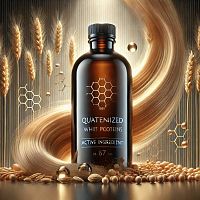
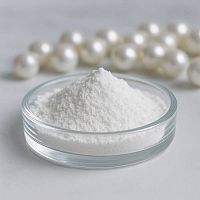
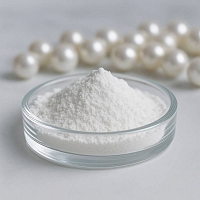
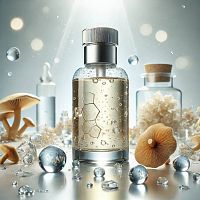

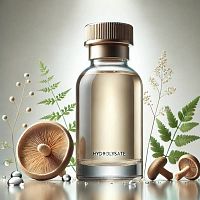

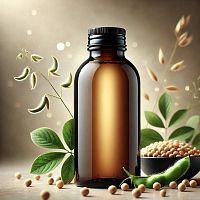
Гидролизаты протеинов: секрет здоровья и красоты для вашей кожи и волос
Гидролизаты протеинов – это уникальные ингредиенты, которые активно используются в косметической индустрии для создания высококачественных средств по уходу за кожей и волосами. Эти ингредиенты являются результатом гидролиза, процесса, при котором белки расщепляются на более мелкие пептиды и аминокислоты. Это делает их более доступными для кожи и волос, способствуя их глубокому увлажнению, восстановлению и укреплению. В интернет-магазине "Мыло Опт" вы найдете широкий ассортимент гидролизатов протеинов, подходящих для самых различных косметических формул.
Преимущества гидролизатов протеинов
Гидролизаты протеинов обладают множеством преимуществ, которые делают их незаменимыми в составе косметических средств:
- Увлажнение: Гидролизаты протеинов проникают глубоко в кожу и волосы, обеспечивая интенсивное увлажнение.
- Восстановление: Эти ингредиенты способствуют регенерации клеток, что особенно полезно для поврежденных волос и кожи.
- Укрепление: Белки и аминокислоты в составе гидролизатов укрепляют структуру волос и кожи, делая их более прочными и здоровыми.
- Успокаивающее действие: Гидролизаты протеинов могут снижать воспаление и раздражение, что делает их идеальными для чувствительной кожи.
Применение гидролизатов протеинов
Гидролизаты протеинов могут использоваться в самых различных косметических продуктах, включая шампуни, кондиционеры, маски для волос, кремы, сыворотки, лосьоны и многое другое. Они подходят для всех типов кожи и волос, включая чувствительную и проблемную кожу, а также поврежденные и ослабленные волосы.
Популярные гидролизаты протеинов
В магазине "Мыло Опт" представлен широкий выбор гидролизатов протеинов, среди которых особой популярностью пользуются:
-
Гидролизат шелка - это идеальный компонент для увлажнения и восстановления волос и кожи. Его мелкие молекулы легко проникают вглубь, обеспечивая интенсивное увлажнение и придавая волосам и коже гладкость и мягкость. Подробнее о продукте можно узнать здесь.
-
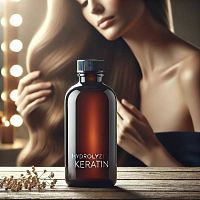
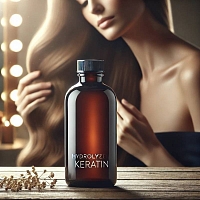
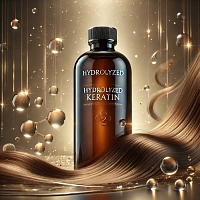
Гидролизат кератина - незаменим для восстановления структуры волос. Он укрепляет волосы изнутри, делая их более устойчивыми к повреждениям и возвращая им природный блеск. Подробное описание доступно по ссылке.
-
Гидролизат коллагена - активно используется для омоложения кожи, улучшая ее эластичность и упругость. Он также способствует уменьшению морщин и повышению тонуса кожи. Более детальную информацию о продукте можно найти здесь.
Доставка и условия заказа
Интернет-магазин "Мыло Опт" предлагает удобные условия заказа и доставки по всему миру. Вы можете заказать гидролизаты протеинов и другие косметические ингредиенты с доставкой в любую точку мира, будь то Европа, Америка, Азия или Африка. Наш магазин предоставляет выгодные оптовые цены, что делает нас идеальным партнером для крупных и малых предприятий, занимающихся производством косметики.
Почему выбирают "Мыло Опт"
- Качество продукции: Вся продукция в нашем магазине проходит строгий контроль качества, что гарантирует безопасность и эффективность каждого ингредиента.
- Широкий ассортимент: Мы предлагаем широкий выбор гидролизатов протеинов и других косметических ингредиентов, подходящих для различных нужд и формул.
- Выгодные условия: У нас вы найдете лучшие цены на рынке, а также накопительные скидки для постоянных клиентов.
- Быстрая доставка: Мы обеспечиваем оперативную доставку заказов в любую точку мира.
Посетите наш интернет-магазин Мыло Опт, чтобы ознакомиться с полным ассортиментом и сделать заказ. Мы уверены, что вы останетесь довольны качеством нашей продукции и уровнем обслуживания.
Заключение
Гидролизаты протеинов – это незаменимые ингредиенты для создания эффективных и качественных косметических средств. В магазине "Мыло Опт" вы найдете все необходимые гидролизаты протеинов, которые помогут вам создать продукцию, удовлетворяющую самым высоким стандартам качества. Закажите их уже сегодня и ощутите все преимущества этих уникальных ингредиентов!