-
 Absolutes
-
 Active Complexes
-
 Actives & Peptides
-
 Amino Acids & Proteins
-
 Food Flavors
-
 Ayurvedic Ingredients & Herbs
-
 Vitamins & Coenzymes
-
 Chocolate Making Supplies
-
 Thickeners & Gelling Agents
-
 Hydrosols & Floral Waters
-
 Hydrolyzed Proteins
-
 Fragrance Ingredients
-
 Nutraceutical Ingredients
-
 Acids, Salts, Alcohols & Alkalis
-
 Preservatives & Antioxidants
-
 Cosmetic Ingredients
-
 Colorants, Micas & Glitters
-
 Masks, Scrubs & Botanicals
-
 Oils & Butters
-
 Candle Making Supplies
-
 Melt and Pour Soap Bases
-
 Cream, Lotion & Hair Care Bases
-
 Fragrance Oils & Industrial Aromatics
-
 Cleansing Agents & Surfactants
-
 Peeling Actives & Acids
-
 Cosmetic Powders
-
 Solvents & Humectants
-
 Silicones & Conditioning Agents
-
 Bottles, Jars & Vials
-
 Silicone & Plastic Molds, Tools
-
 Botanical Extracts
-
 Cosmetic Emollients
-
 Emulsifiers
-
 Essential Oils
- Absolutes Wholesale 87
- Active Complexes for Cosmetics Wholesale 388
- Amino Acids & Proteins Wholesale 90
- Antioxidants Wholesale 293
- Ayurvedic Powders Wholesale 273
- Biocides Wholesale 16
- Thickeners and Gelling Agents in Bulk 112
- Bulk Hydrosols for Cosmetics 10
- Hydrocolloids in Bulk 5
- Hydrolyzed Proteins Wholesale 106
- Aromatic Fragrant Waters Wholesale 27
- Fragrance Ingredients Bulk 168
- Preservatives & Antioxidants Wholesale 157
- Corneotherapy Wholesale 10
- Cosmetic Clay Wholesale 14
- Neutralizers/pH Correctors Wholesale 17
- Surfactants Wholesale 144
- Cosmetic Peelings Wholesale 77
- Cosmetic Powders Wholesale 403
- Silicones and Conditioning Surfactants for Hair Wholesale 116
- Resins and Resinoids Wholesale 17
- UV and SPF Filters Wholesale 84
- Cosmetic Emollients Wholesale 132
- Emulsifiers Wholesale 328
- Enzymes, Filtrates and Lysates in Bulk 35


Cosmetic Emollients Wholesale
 Add to cart







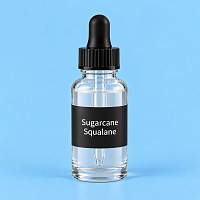

Skin feel and texture builders for cream and lotion bases
This section brings together emollient raw materials used to soften texture, improve spreadability and adjust the skin feel of finished cosmetic products. Formulators use these ingredients to build the sensory profile of creams, lotions, balms and serums, ranging from light dry-touch esters to richer occlusive oils and silicone alternatives.
Emollients are chosen based on absorption speed, viscosity and the final finish a formulation needs, from a matte non-greasy touch to a cushioned velvety glide. Many recipes combine emollients with humectants, active complexes and functional additives such as preservatives and antioxidants to keep the finished emulsion stable over its shelf life.
Beyond body and face care, emollients are also used in hair conditioners, makeup bases and sunscreen formulations, where they help pigments and filters disperse evenly. Some formulators pair them with lightweight aromatic fragrant waters to build multi-phase products with a fresher sensory profile.
Types of emollients and how they differ
Not all emollients behave the same way on skin. Ester oils such as C12-C15 Alkyl Benzoate and С12-C15 Alkyl Lactate spread easily and leave a dry, silky finish, which makes them popular in lightweight lotions and sunscreen bases where a heavy film would feel unpleasant. Others, like Ethylhexyl Cocoate and Lanol 99, sit closer to a mid-weight feel, useful for balms and richer body creams that still need to absorb within a reasonable time.
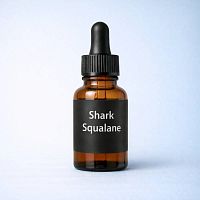
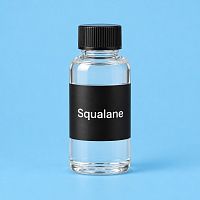
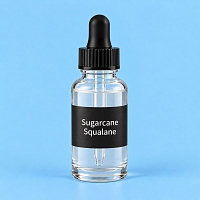
Plant-derived triglycerides such as Caprylic Capric Triglycerides and Capric Triglyceride offer a neutral, non-comedogenic texture and are frequently chosen as a base carrier oil for actives, fragrance oils and pigments. Squalane stands apart for its close resemblance to skin's own lipids, giving a cushioned, almost weightless glide that works across face oils, serums and hair care. Meanwhile Isostearyl Isostearate and Isopropyl Myristate are valued for helping pigments and waxes disperse smoothly, which is why they show up often in makeup bases and color cosmetics.
Choosing an emollient and building a formula around it
The right choice depends on the finish a formulator is targeting: a fast-absorbing dry touch, a satin cushioned glide or a more occlusive barrier feel. Viscosity, spreading value and compatibility with the rest of the phase all matter, especially when the emollient needs to carry fragrance, dissolve waxes or support a pigment dispersion evenly across a batch.
Emollients rarely work alone in a formula. They are typically paired with an emulsifying system from the Emulsifiers range to bind oil and water phases, along with functional additives that adjust texture on the fly. CoverNice is often added to fine-tune the consistency of a finished product, while Neomin combines an emollient feel with antimicrobial protection, which is useful in leave-on formulas that need extra stability during use.
Origin and storage
Raw materials in this range are sourced from established cosmetic ingredient producers, including suppliers based in France, Italy, Germany, the United States, the Netherlands, the United Kingdom, Switzerland and Japan. Working with several origins gives formulators flexibility when matching a specific texture profile or replacing a component without reformulating an entire batch.
Most emollients are supplied in sealed containers and should be kept in a cool, dry place away from direct sunlight to protect their texture and oxidative stability. Once opened, containers are best resealed tightly between uses, particularly for lighter esters that are more sensitive to air exposure over time.
FAQ
What is the difference between an emollient and a humectant in cosmetic formulation
Emollients soften and smooth the skin surface by filling gaps between cells and reducing water loss, while humectants attract moisture from the environment into the skin. Most cream and lotion bases combine both types to balance hydration with a pleasant, non-greasy after-feel.
How do I choose an emollient for a lightweight dry-touch lotion
Look for esters with low viscosity and fast absorption, such as isododecane-type or light alkyl benzoate materials, rather than heavier occlusive oils. These spread thinly, leave minimal residue and work well in daily face lotions or sunscreen bases where a matte finish is preferred.
Can emollients replace silicones in a cream formula
Several ester emollients are formulated specifically as silicone alternatives, offering a similar silky glide and lightweight cushion without dimethicone. They are commonly chosen by brands aiming for silicone-free claims while keeping a comparable sensory texture in creams and serums.
How should emollient oils and esters be stored before use
Keep containers tightly closed, away from direct sunlight and heat sources, ideally at stable room temperature. Oxidation-sensitive oils benefit from cool, dark storage and shorter turnover, since prolonged exposure to air and light can affect color, odor and stability over time.
Do different emollients need different mixing temperatures during production
Yes, viscosity and melting behavior vary widely between esters, plant oils and richer occlusive materials. Lighter esters usually blend at room temperature or gentle warming, while heavier or waxy emollients require higher phase temperatures to fully incorporate into the oil phase before emulsification.
Recommendations
When selecting an emollient for a specific formula, match its absorption speed and finish to the product type first, a light dry-touch ester for facial lotions, a richer oil or butter-like material for balms and body creams. Check compatibility with your emulsifier system and any active complexes already in the recipe, since some esters can affect viscosity or stability at higher concentrations. Small-batch formulators and production lines can order by email, with orders typically assembled within three to five business days.



