-
 Absolutes
-
 Active Complexes
-
 Actives & Peptides
-
 Amino Acids & Proteins
-
 Food Flavors
-
 Ayurvedic Ingredients & Herbs
-
 Vitamins & Coenzymes
-
 Chocolate Making Supplies
-
 Thickeners & Gelling Agents
-
 Hydrosols & Floral Waters
-
 Hydrolyzed Proteins
-
 Fragrance Ingredients
-
 Nutraceutical Ingredients
-
 Acids, Salts, Alcohols & Alkalis
-
 Preservatives & Antioxidants
-
 Cosmetic Ingredients
-
 Colorants, Micas & Glitters
-
 Masks, Scrubs & Botanicals
-
 Oils & Butters
-
 Candle Making Supplies
-
 Melt and Pour Soap Bases
-
 Cream, Lotion & Hair Care Bases
-
 Fragrance Oils & Industrial Aromatics
-
 Cleansing Agents & Surfactants
-
 Peeling Actives & Acids
-
 Cosmetic Powders
-
 Solvents & Humectants
-
 Silicones & Conditioning Agents
-
 Bottles, Jars & Vials
-
 Silicone & Plastic Molds, Tools
-
 Botanical Extracts
-
 Cosmetic Emollients
-
 Emulsifiers
-
 Essential Oils
- Ingredients for Bath Bomb and Fizzer 218
- Soap Bouquet Crafting Materials 490
- Slime Supplies: Ingredients and Additives 560
- Shampoo ingredients 409
- DIY Perfume Supplies 986
- Deodorant Components 90
- Cold process soap ingredients 96
- Components for lipstick, balm, lip gloss 374
- Sun protection components 259
- Components for washing powder 62
- Bath products 88
- Ingredients for cleaning products 71
- Ingredients for Alginate Masks 36
- Shampoo Ingredients Wholesale 530
- DIY Perfume Supplies Wholesale 1050
- Chocolate Ingredients Wholesale 71
- Components for washing powder Wholesale 64
Deodorant Components
 Add to cart






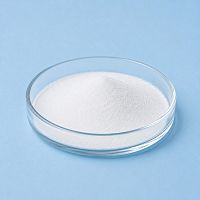
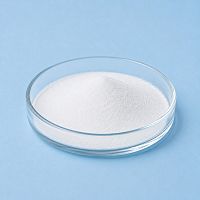


Functional raw materials for odour management
This category gathers ingredients whose key purpose in cosmetic development is capturing molecules that produce unwanted scents. Zinc ricinoleate stands out as a traditional choice because it fixes those molecules directly instead of relying on added fragrance oils. Formulators appreciate these materials when creating daily products with a lighter touch, and they fit naturally within the wider range of purpose-driven components.
Guidance on selecting suitable absorbers
Choosing the right material begins with understanding the final base type, whether a solid stick, emulsion cream or liquid spray. Compatibility checks prevent issues such as poor dispersion or texture changes. Functional Components illustrates how similar functional logic applies across related formulation groups, helping users compare options effectively.
Typical concentration considerations
Recommended input levels vary with the chosen base, so small adjustments during development ensure balanced performance without altering viscosity or overall scent profile. Excess amounts rarely improve results and can sometimes create new formulation challenges.
Role of pH in maintaining effectiveness
Most odour-binding substances operate reliably only inside a defined acidity window. Moving outside that window can reduce activity noticeably, even when dosage appears correct on paper. Extended wear testing over several days reveals true behaviour far better than immediate post-application checks.
Base-specific solubility needs
Anhydrous systems often demand pre-blending with a suitable solvent before full incorporation. This step promotes even distribution and avoids grainy residues in the finished product. vegetable glycerin, 50 g frequently serves as a helpful auxiliary in such preparations.
Applications across different formula styles
These materials integrate into sticks for targeted application, light creams for broader coverage or fine mists for quick use. Each format influences how the absorber interacts with other ingredients, so pilot batches remain essential when moving between formats. Expectations should stay realistic when shifting away from older aluminium-based systems, since odour control and perspiration management serve distinct purposes.
Storage practices for preserved quality
Keep containers tightly sealed at normal room temperature and protect contents from direct light exposure. The same approach supports stability in neighbouring categories such as Ingredients for Bath Bomb and Fizzer, where consistent raw-material condition directly affects end-product performance.
Batch evaluation before full-scale use
A modest trial quantity lets developers observe real interactions inside their specific recipe. Teflose, 1 l offers an example of newer materials that reward careful compatibility verification ahead of larger production runs.
FAQ
What distinguishes zinc ricinoleate among odour control materials?
It binds odour molecules chemically rather than masking them with fragrance, delivering a different functional profile from aromatic additives.
How does pH affect absorber performance?
Activity drops sharply outside the recommended acidity range, making prior range testing a necessary step in any new formula.
Why conduct multi-day wear trials?
Single-application checks miss how the material behaves after hours of use and exposure to skin conditions.
Is pre-mixing always required for anhydrous bases?
Many absorbers need solvent pre-blending to achieve uniform distribution and avoid texture defects in the final product.



