
-
 Absolutes
-
 Active Complexes
-
 Actives & Peptides
-
 Amino Acids & Proteins
-
 Food Flavors
-
 Ayurvedic Ingredients & Herbs
-
 Vitamins & Coenzymes
-
 Chocolate Making Supplies
-
 Thickeners & Gelling Agents
-
 Hydrosols & Floral Waters
-
 Hydrolyzed Proteins
-
 Fragrance Ingredients
-
 Nutraceutical Ingredients
-
 Acids, Salts, Alcohols & Alkalis
-
 Preservatives & Antioxidants
-
 Cosmetic Ingredients
-
 Colorants, Micas & Glitters
-
 Masks, Scrubs & Botanicals
-
 Oils & Butters
-
 Candle Making Supplies
-
 Melt and Pour Soap Bases
-
 Cream, Lotion & Hair Care Bases
-
 Fragrance Oils & Industrial Aromatics
-
 Cleansing Agents & Surfactants
-
 Peeling Actives & Acids
-
 Cosmetic Powders
-
 Solvents & Humectants
-
 Silicones & Conditioning Agents
-
 Bottles, Jars & Vials
-
 Silicone & Plastic Molds, Tools
-
 Botanical Extracts
-
 Cosmetic Emollients
-
 Emulsifiers
-
 Essential Oils
- Cosmetic Jars 391
- Bottles for cosmetics, dispensers, sprayers 863
- Laboratory glassware 22
- Measuring laboratory 23
- Plastic Packaging 878
- Plastic containers 19
- Perfume testers 36
- Glass Packaging, Bottles, and Jars 276
- Perfume Packaging 339
- Diffuser Bottles & Sticks 24
- Metal perfume atomizers 10
- Wholesale Jars, Bottles and Packaging Containers 2327
- Plastic Containers Large Wholesale 49
Cosmetic Jars
 Add to cart
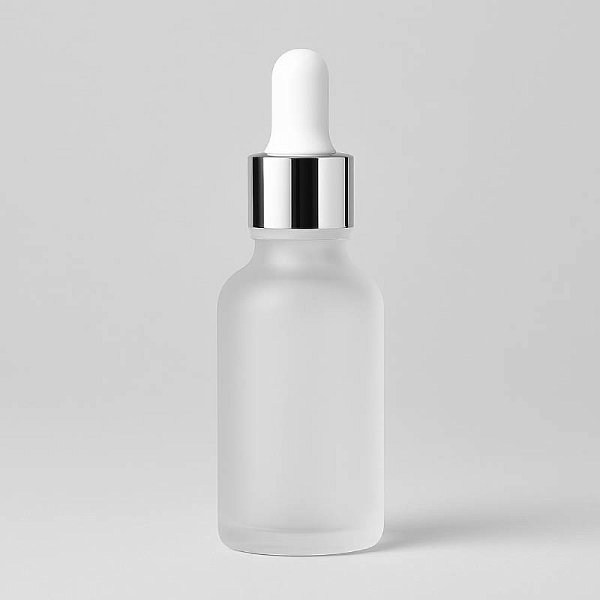
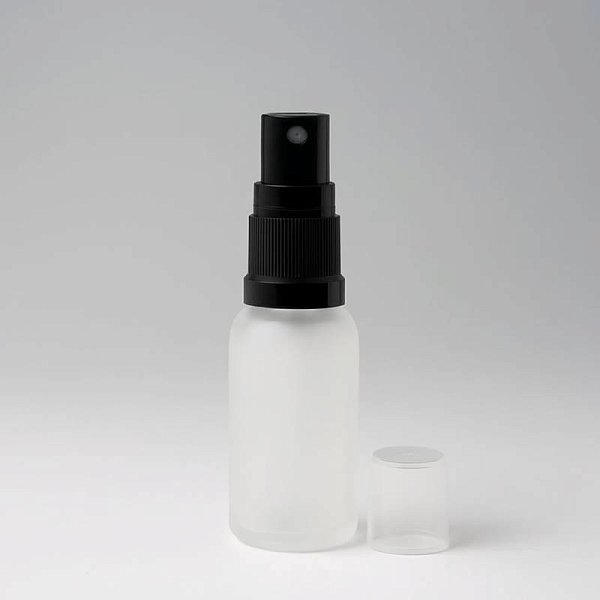
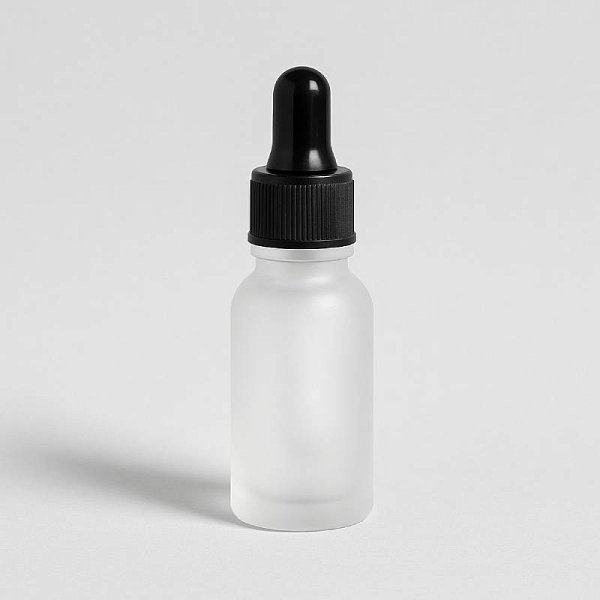
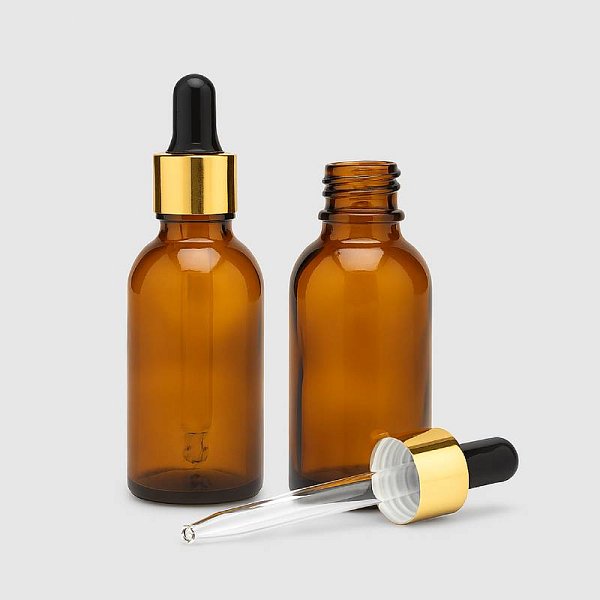
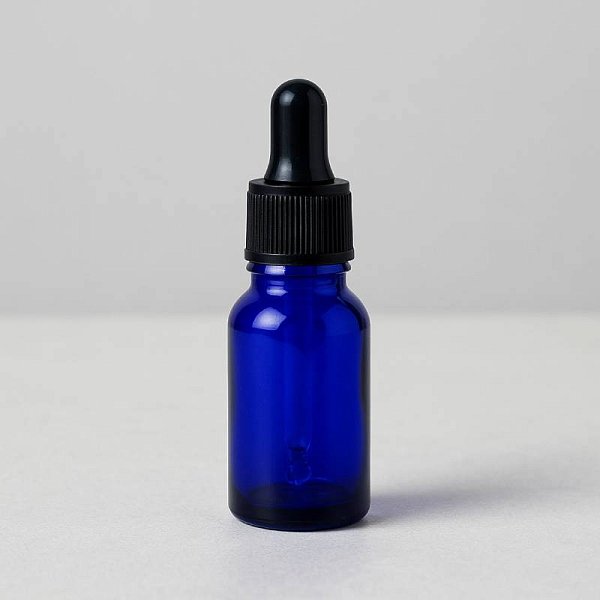
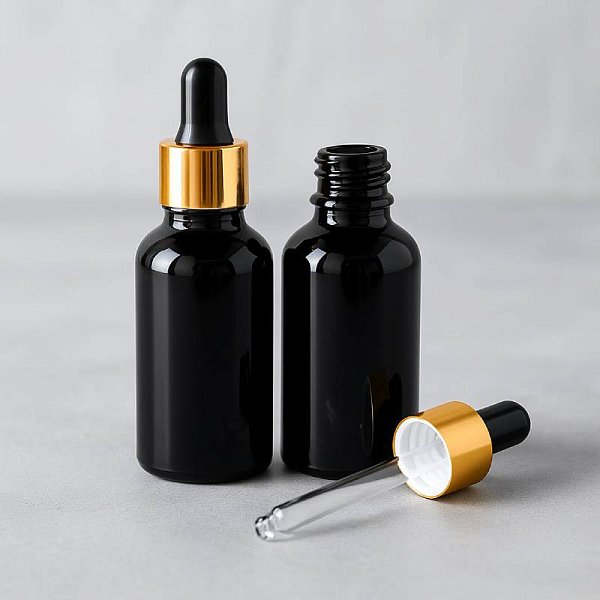

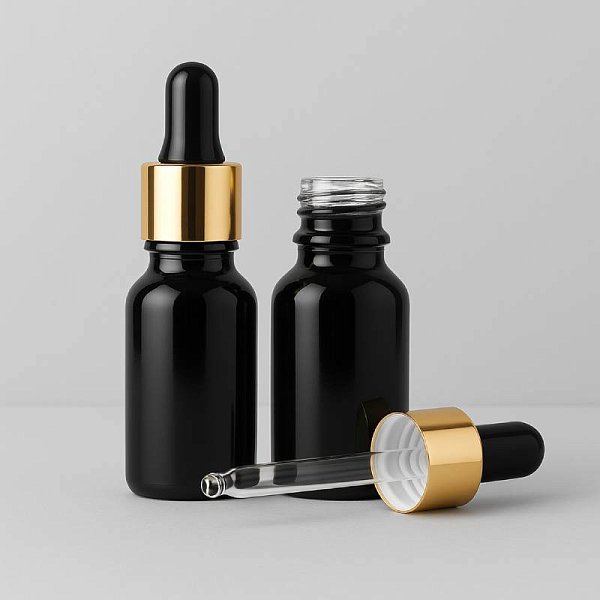
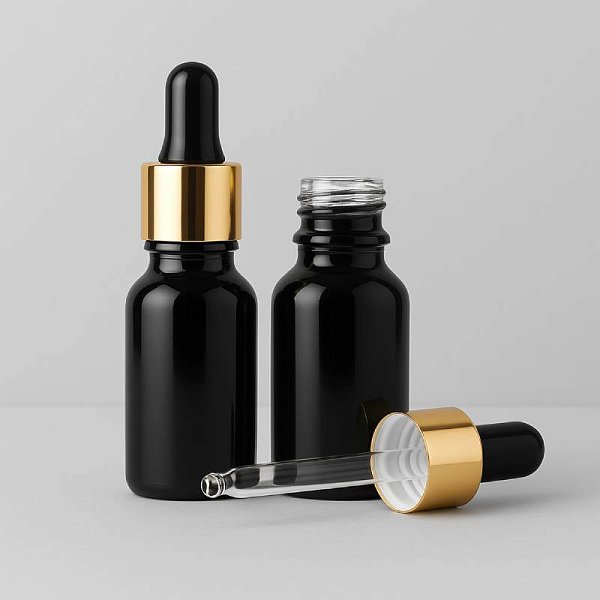
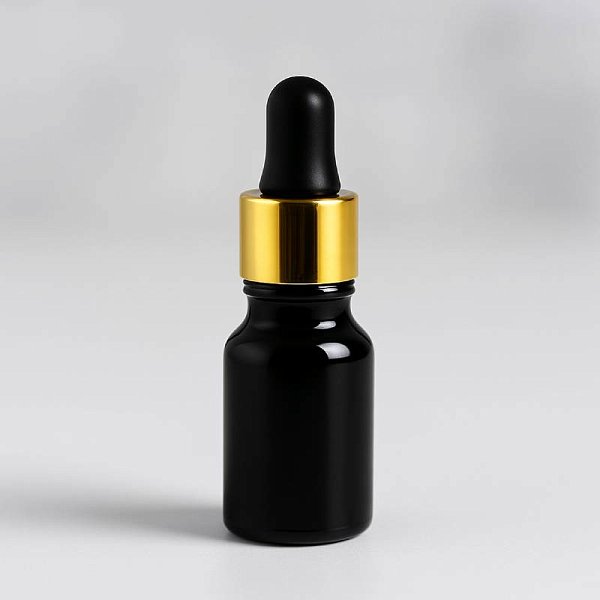
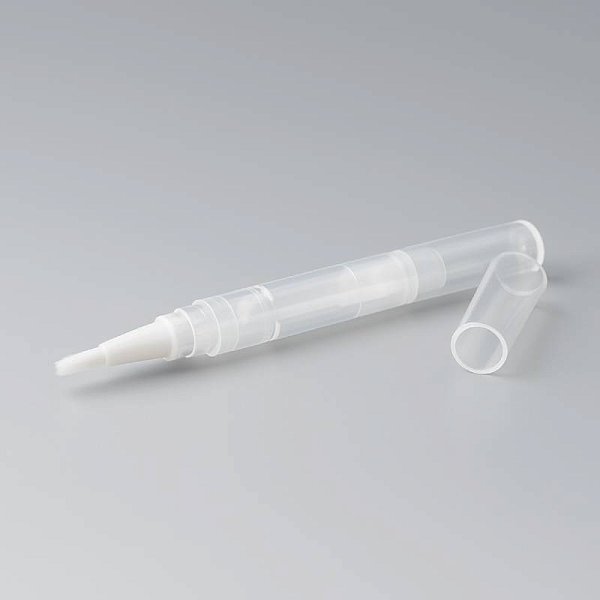
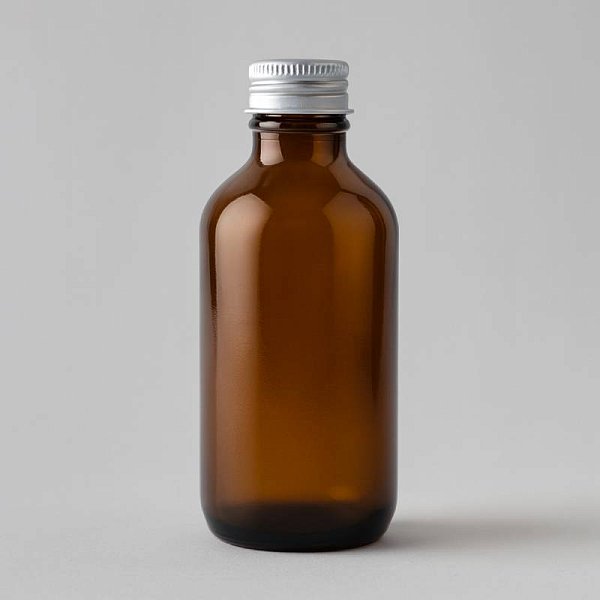


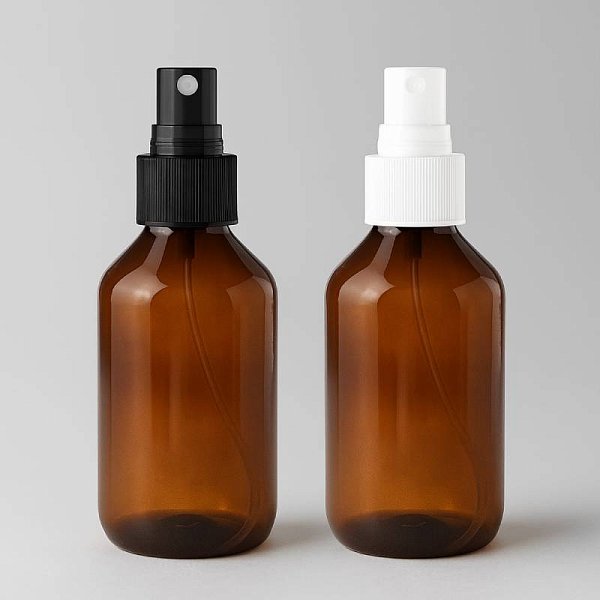
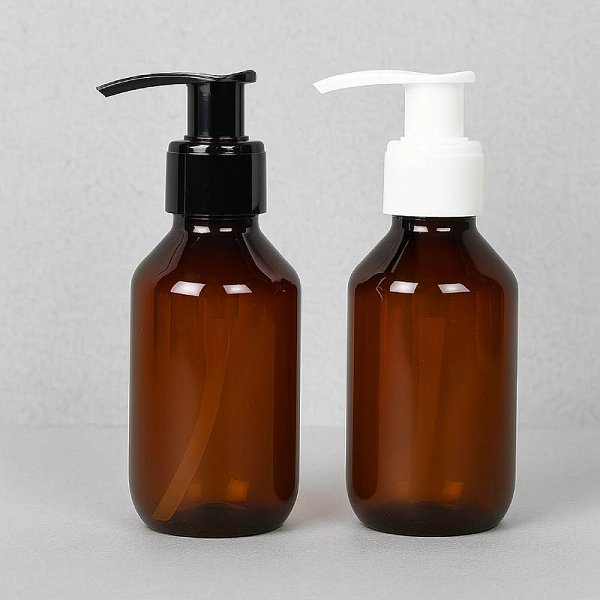
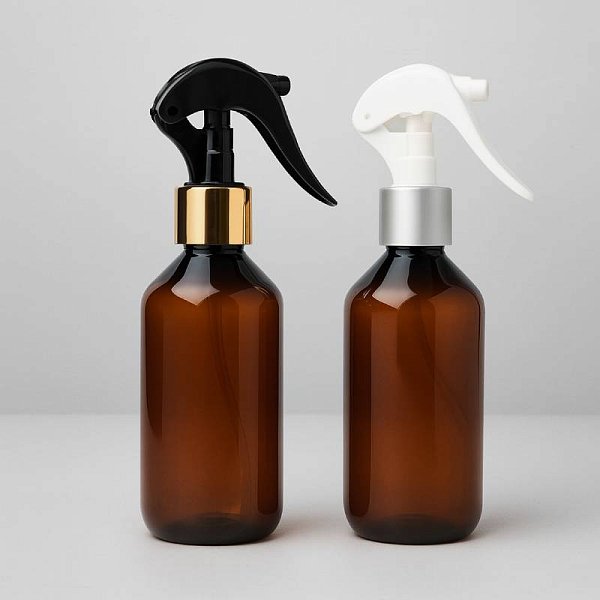
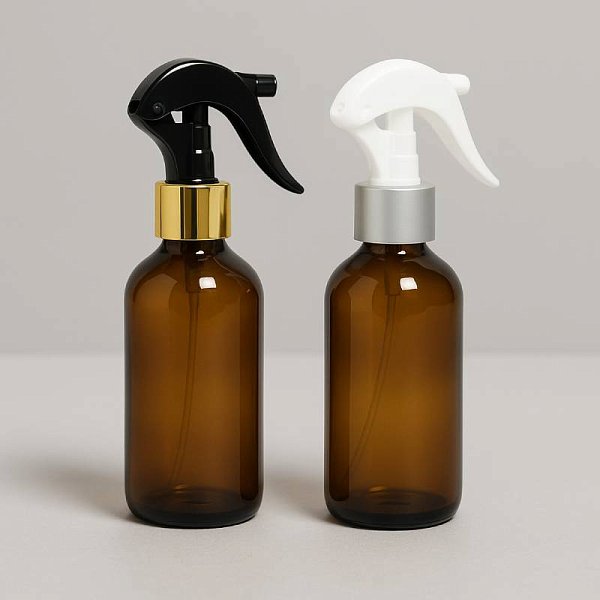
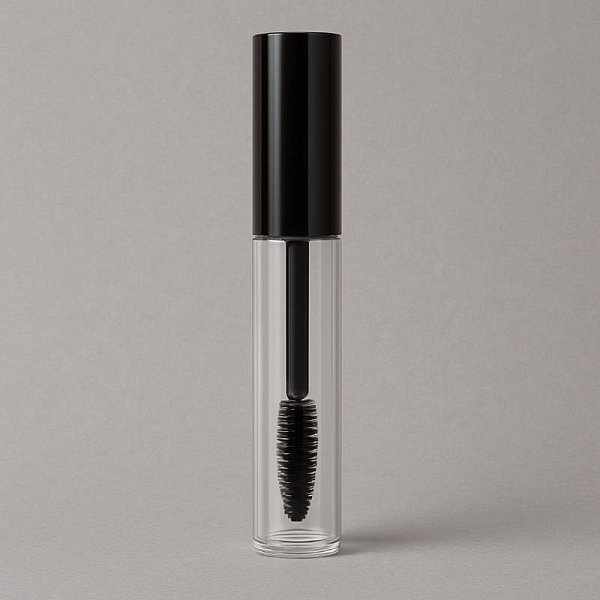
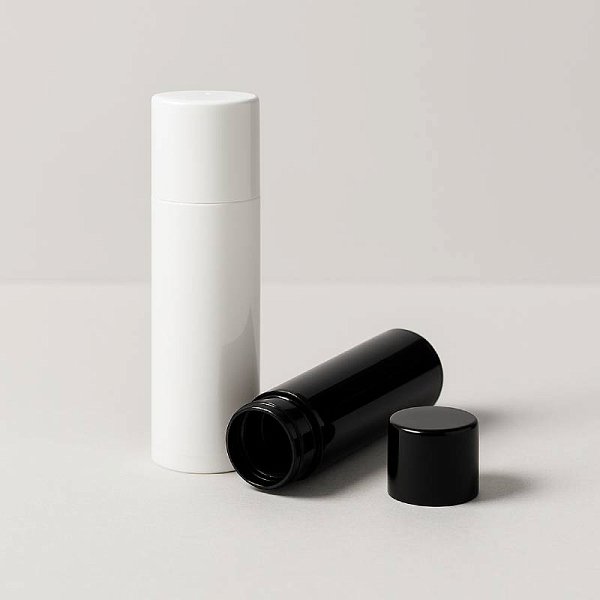
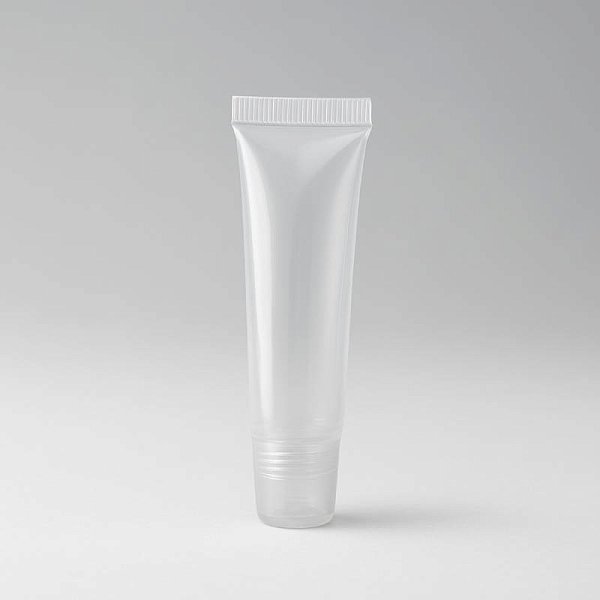

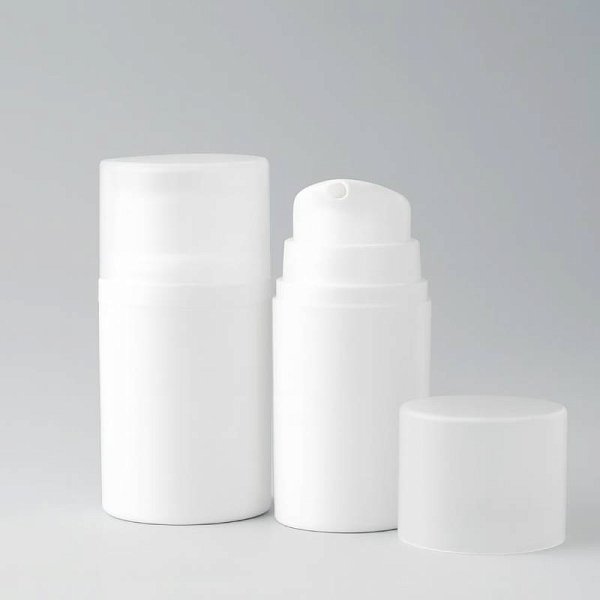

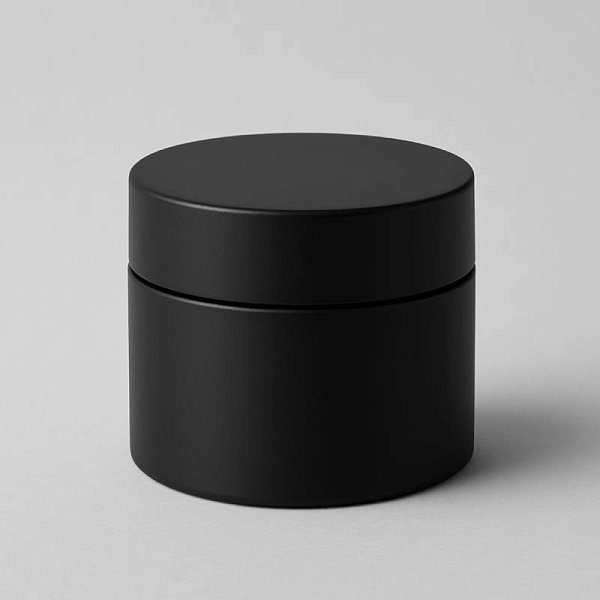
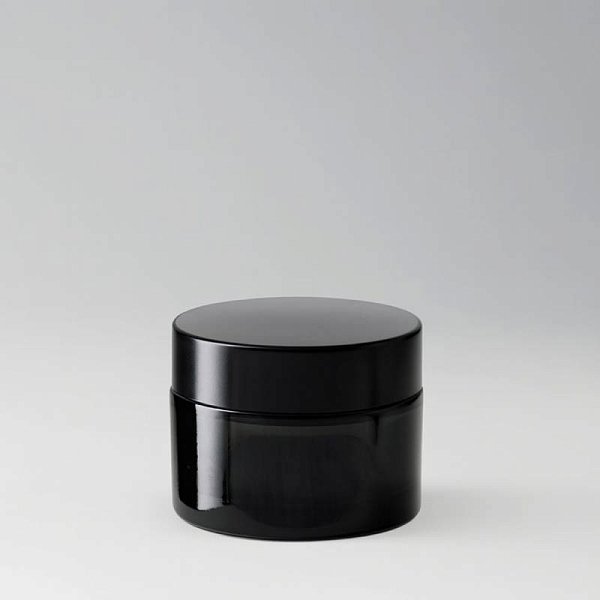
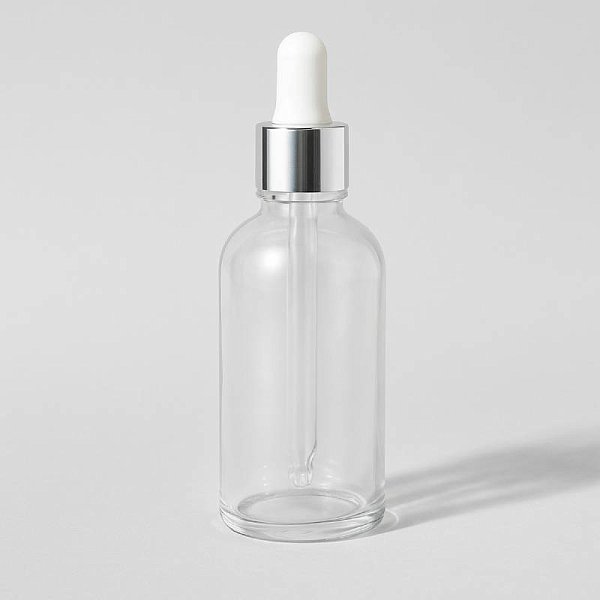
Container options for creams serums and balms
This section covers jars used for packaging finished cosmetic products such as creams, balms, serums, body butters, and scrubs. The range includes different volumes, shapes, and materials, from lightweight plastic containers to glass and frosted acrylic options, suited to both small-batch formulators and larger production lines.
These jars serve as primary packaging across a wide range of cosmetic categories, holding anything from lightweight facial emulsions to dense balms and thick masks. Material and closure choice often depends on the product texture and its interaction with the container, since some formulations require airtight seals while others benefit from wide openings for easy scooping.
Buyers frequently pair jar selection with other packaging containers, jars, and bottles to cover a full product line, or turn to laboratory glassware when testing new formulations before committing to a packaging format for production runs.
Materials, shapes, and closures
Jars in this range fall into a few clear groups. Plastic containers such as the Delhi Jar 30 ml, 10 pcs or the Jar with white lid 300 ml, 10 pcs are light, impact resistant, and economical for larger production runs. Glass options, including the Jar Boston 30 ml, 10 pcs and the Laura 20 ml Jar, offer a premium feel and better resistance to oils and essential compounds used in richer formulas.
Metal packaging is a separate category worth noting. The Aluminum jar 10 ml and its larger counterpart, the Aluminum jar 30 ml, are opaque and block light exposure, which matters for formulas sensitive to oxidation. For liquid or semi-liquid preparations that need controlled application, dropper formats like the 30 ml Dropper Bottle and the Cosmetic bottle 10 ml with dropper offer precise dosing instead of an open jar format.
Choosing a jar and pairing it with your formula
Selection usually starts with the texture of the product. Thick balms and butters generally perform better in wide mouth jars that allow easy scooping, while thinner emulsions and serums are better suited to narrower openings or dropper closures that limit air exposure. The frosted and clear glass finishes on the Jar Tiffani 50 ml, the Jar Tiffani 30 ml, and the Tiffany jar 10 ml are often chosen when the product line needs a consistent premium look across several volumes.
Because these jars hold finished formulations rather than raw ingredients, compatibility mainly comes down to material contact. Oil rich creams and balms sit well in both glass and food grade plastic, while formulas containing active ingredients sensitive to light or oxygen tend to do better in aluminum or dark glass. Many formulators test a new recipe in measuring laboratory glassware before finalizing volumes and choosing the packaging that will hold the finished batch.
Origin and storage notes
Jars in this category are sourced from manufacturers in China and Poland, with material quality and finishing varying by supplier and jar type. Empty containers should be kept in a dry, dust free space away from direct sunlight, particularly for clear glass and plastic options that offer less protection against light than aluminum jars.
For formulators building a full product line, it often makes sense to combine several jar types across volumes rather than settling on a single format, since different textures and finished products within the same line can call for different closures and materials.
FAQ
What size cosmetic jar should I choose for a face cream formulation
Jar size depends on product usage rate and shelf presentation. Lightweight facial creams and serums typically use 15 to 50 ml jars, while body butters, scrubs, and balms suit 100 to 300 ml containers. Consider how quickly the formula is used and whether the container fits your packaging line.
What is the difference between plastic and glass cosmetic jars
Plastic jars are lighter, more impact resistant, and generally lower cost, making them practical for shipping and daily use. Glass and frosted acrylic jars offer a premium look and better resistance to oils and fragrance compounds, though they are heavier and more fragile during transport and filling.
Which jar closures work best for thick balms versus liquid serums
Wide mouth jars with screw lids suit thick balms, scrubs, and masks since they allow easy scooping with a spatula. Serums and lightweight emulsions often benefit from tighter fitting lids or inner seals that reduce air exposure and help maintain product stability during storage.
Can the same jar be used for both a scrub and a facial cream
Many jar shapes are versatile enough for multiple textures, but material and opening width matter. A wide neck jar works well for scrubs and thick masks, while a narrower opening with a secure lid better suits fluid creams or serums that are more prone to spilling or oxidation.
How should empty cosmetic jars be stored before filling
Keep empty jars in a dry, dust free area away from direct sunlight and strong odors, since plastic and some finishes can absorb ambient smells over time. Store them in their original packaging or covered containers until filling to prevent contamination during production.
Recommendations
When selecting a jar for your formulation, start with the product texture: fluid emulsions call for secure, closely fitted lids, while thicker balms and scrubs benefit from wider openings for scooping. Match material to the active ingredients in your recipe, since some oils and fragrance compounds interact differently with plastic versus glass or acrylic surfaces over time. Order small trial batches first to confirm how a jar performs with your specific formula before committing to a larger production run. For volume pricing, compatibility questions, or help narrowing down options across sizes and materials, reach out to our team by email and we will help you match the right container to your production needs.



