Product catalog
-
 Absolutes
-
 Active Complexes
-
 Actives and Peptides for Cosmetics
-
 Amino Acids
-
 Food Flavorings
-
 Ayurveda
-
 Vitamins
-
 Gelling Agents and Thickeners
-
 Hydrosols and Floral Waters
-
 Hydrolyzed Proteins
-
 Fragrant and aromatic substances
-
 Acids, Salts, Alcohols, and Alkalis
-
 Preservatives and Antioxidants
-
 Cosmetic Raw Materials
-
 Dyes, Pearlescents, and Glitters
-
 Face Masks, Scrubs, and Dried Flowers
-
 Oils, batters, macerates, oil mixtures
-
 Candle Supplies
-
 Melt and Pour Soap Bases
-
 Base for cosmetics, cream, serum, shampoo
-
 Fragrance Oils
-
 Surfactants
-
 Peelings for Skin
-
 Herbal Powders and Plant
-
 Silicones and Conditioning Surfactants for Hair
-
 Raw materials for dietary supplements
-
 Packaging for Cosmetics and Perfumes
-
 Molds, Packaging, Tools
-
 Organic Extracts
-
 Emollients for Cosmetics
-
 Emulsifiers
-
 Essential Oils
Refine section
- Alginate Face Masks 122
- Bath Beads and Pearls 75
- Natural Waxes 68
- Cosmetic Clay 45
- Natural Cosmetics for Your Health 674
- Natural Loofah 2
- Face and Body Masks 116
- Scrubs for Cosmetic Production 112
- Bath Salts 48
- Sports Nutrition 220
- Natural dried flowers 43
- Alginate Masks Wholesale 180
- Clays for Cosmetics Wholesale 35
- Additives for Cosmetics Wholesale 329
- Natural Loofah Wholesale 2
- Face and Body Masks Wholesale 176
- Scrub Ingredients Wholesale 118
- Bath Salt Wholesale 59
- Wholesale Cosmetic Clay 4
Filter by parameters
Мастер классы, рецепты, советы


Что выбрать: пептидную косметику или инъекции у косметолога?
Статья представляет собой сравнительный анализ двух популярных подходов к омоложению кожи: использование пептидной косметики (с акцентом на домашние рецепты) и инъекционные процедуры у косметолога. Она описывает принципы действия, преимущества и недостатки каждого метода, а также предлагает рекомендации по выбору наиболее подходящего решения в зависимости от индивидуальных потребностей и целей.
Основы создания крема: сочетание активных компонентов
Статья представляет собой глубокое погружение в основы создания кремов в домашних условиях, сфокусированное на грамотном подборе и комбинировании активных ингредиентов. В ней рассматриваются различные типы активов, их совместимость и синергичное действие, а также предлагаются практические рецепты кремов для решения конкретных задач кожи.
Кремоварение: ошибки приготовления эмульсии в домашних условиях
Эта статья подробно разбирает наиболее распространенные ошибки, которые новички и даже опытные мастера допускают при приготовлении эмульсий (кремов, лосьонов) в домашних условиях. Мы объясним, почему эти ошибки происходят, как их избежать и что делать, если ваша эмульсия расслоилась или не получилась. Цель — помочь читателям создавать стабильные, эффективные и приятные в использовании косметические продукты.
Face and Body Masks
reviews: 27


Thermal modeling plaster mask with cooling effect Thermic Mask Cryogenic Effect, 1 kg
690.55 грн. / шт

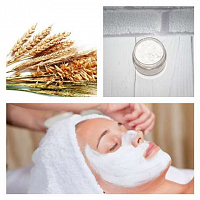


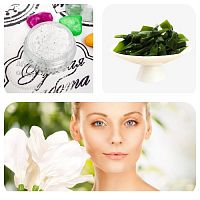


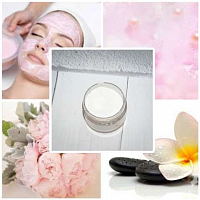
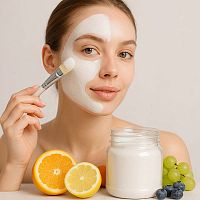






Маски для лица и тела: Тканевые, грязевые, альгинатные, желе и глиняные
Маски для лица и тела – это один из самых эффективных и приятных способов ухода за кожей. Они направлены на решение различных косметических задач, от увлажнения до глубокого очищения. В разделе представлены разнообразные виды масок: тканевые, грязевые, альгинатные, желе и глиняные – для профессионального и домашнего использования.
Преимущества масок для ухода за кожей
- Мгновенный результат: Улучшают состояние кожи уже после первого применения.
- Разнообразие эффектов: Увлажняют, питают, очищают, тонизируют и омолаживают кожу.
- Универсальность: Подходят для всех типов кожи и различных зон тела.
- Натуральные компоненты: Используются природные ингредиенты, обеспечивающие мягкий и безопасный уход.
- Лёгкость применения: Простой и удобный процесс нанесения даже в домашних условиях.
Виды масок для лица и тела
- Тканевые маски: Пропитаны активными веществами для глубокого увлажнения и питания кожи.
- Грязевые маски: Основаны на природной грязи, очищают поры, устраняют воспаления и улучшают текстуру кожи.
- Альгинатные маски: Созданы на основе альгината, снимаются одним пластом, подтягивают и освежают кожу.
- Желеобразные маски: Легкие текстуры для интенсивного увлажнения и успокаивающего эффекта.
- Глиняные маски: Эффективно абсорбируют жир, удаляют загрязнения и уменьшают поры.
Рекомендации по использованию масок
- Очищайте кожу перед нанесением маски.
- Следуйте инструкциям по времени выдержки.
- Используйте 1-2 раза в неделю для достижения наилучших результатов.
- После маски обязательно наносите увлажняющий крем или сыворотку.
Популярные маски из раздела
- Тканевая маска с гиалуроновой кислотой – интенсивное увлажнение.
- Грязевая маска с минералами Мёртвого моря – глубокое очищение.
- Альгинатная маска с экстрактом зеленого чая – освежающий эффект.
- Гелевая маска с алоэ вера – успокаивающее действие.
- Глиняная маска с белой глиной – мягкое очищение и сужение пор.
Пример рецепта: Альгинатная маска для лица с экстрактом лаванды
Ингредиенты:
- Альгинатный порошок – 30 г
- Вода – 90 мл
- Экстракт лаванды – 5 мл
Инструкция:
- Смешайте альгинатный порошок с водой до однородной массы.
- Добавьте экстракт лаванды и тщательно перемешайте.
- Нанесите толстым слоем на лицо и оставьте на 20 минут.
- Снимите маску одним пластом и нанесите увлажняющий крем.
Почему выбрать маски от "Мыло Опт"?
- Широкий ассортимент: Все виды масок для ухода за кожей лица и тела.
- Высокое качество: Натуральные компоненты и проверенные формулы.
- Оптовые поставки: Идеальны для салонов красоты, спа-центров и индивидуальных покупателей.
- Международная доставка: Возможность заказа в любую точку мира.
Заказать маски для лица и тела
Изучите раздел масок для лица и тела на сайте "Мыло Опт" и подберите идеальное средство для профессионального и домашнего ухода. Подарите своей коже заботу и сияние!