-
 Absolutes
-
 Active Complexes
-
 Actives & Peptides
-
 Amino Acids & Proteins
-
 Food Flavors
-
 Ayurvedic Ingredients & Herbs
-
 Vitamins & Coenzymes
-
 Chocolate Making Supplies
-
 Thickeners & Gelling Agents
-
 Hydrosols & Floral Waters
-
 Hydrolyzed Proteins
-
 Fragrance Ingredients
-
 Nutraceutical Ingredients
-
 Acids, Salts, Alcohols & Alkalis
-
 Preservatives & Antioxidants
-
 Cosmetic Ingredients
-
 Colorants, Micas & Glitters
-
 Masks, Scrubs & Botanicals
-
 Oils & Butters
-
 Candle Making Supplies
-
 Melt and Pour Soap Bases
-
 Cream, Lotion & Hair Care Bases
-
 Fragrance Oils & Industrial Aromatics
-
 Cleansing Agents & Surfactants
-
 Peeling Actives & Acids
-
 Cosmetic Powders
-
 Solvents & Humectants
-
 Silicones & Conditioning Agents
-
 Bottles, Jars & Vials
-
 Silicone & Plastic Molds, Tools
-
 Botanical Extracts
-
 Cosmetic Emollients
-
 Emulsifiers
-
 Essential Oils
- Absolutes 55
- Active Complexes 265
- Actives & Peptides 4860
- Amino Acids & Proteins 71
- Food Flavors 2097
- Ayurvedic Ingredients & Herbs 220
- Vitamins & Coenzymes 108
- Chocolate Making Supplies 109
- Thickeners & Gelling Agents 101
- Hydrosols & Floral Waters 139
- Hydrolyzed Proteins 87
- Fragrance Ingredients 44
- Nutraceutical Ingredients 797
- Acids, Salts, Alcohols & Alkalis 112
- Preservatives & Antioxidants 132
- Cosmetic Ingredients 8494
- Colorants, Micas & Glitters 1423
- Masks, Scrubs & Botanicals 1259
- Oils & Butters 1711
- Candle Making Supplies 542
- Melt and Pour Soap Bases 341
- Cream, Lotion & Hair Care Bases 89
- Fragrance Oils & Industrial Aromatics 6527
- Cleansing Agents & Surfactants 140
- Peeling Actives & Acids 57
- Cosmetic Powders 325
- Solvents & Humectants 37
- Silicones & Conditioning Agents 91
- Bottles, Jars & Vials 3927
- Silicone & Plastic Molds, Tools 6071
- Botanical Extracts 3614
- Cosmetic Emollients 108
- Emulsifiers 304
- Essential Oils 606


Solvents & Humectants
 Add to cart
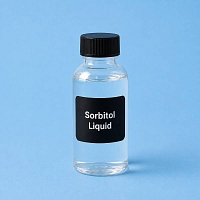
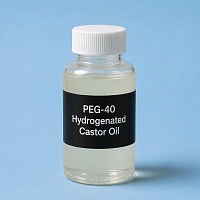
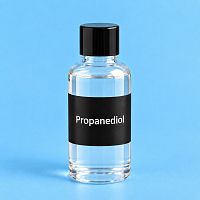
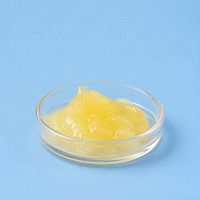
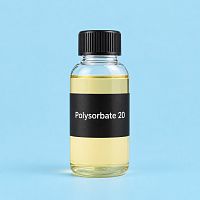
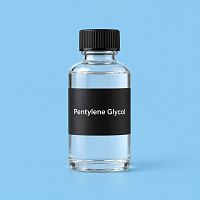
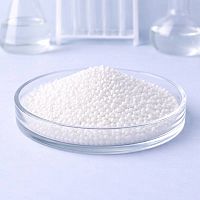
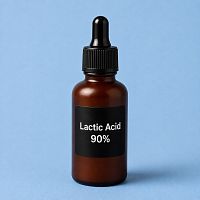

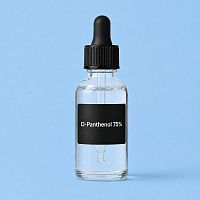
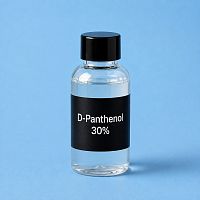
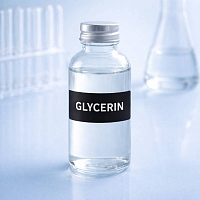
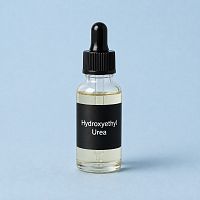
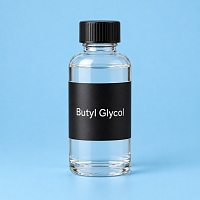
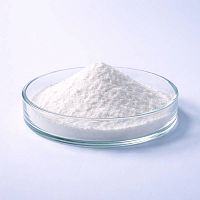
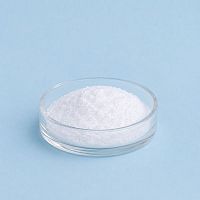
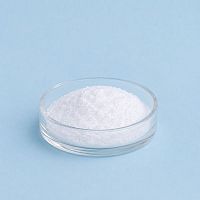
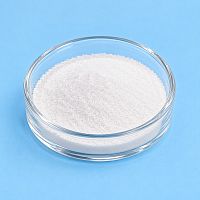
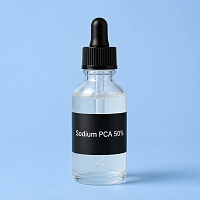
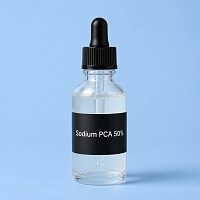
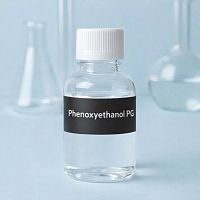
Why a humectant matters alongside a solvent
This section covers solvents, which help disperse active and aromatic components evenly through a formula, and humectants, which retain moisture in a finished formulation. These serve different functions but often appear side by side in the same formula.
Solvents are used when an active component does not dissolve well in the main phase of a formula, while humectants operate at the level of how a finished product feels on skin.
Varieties and applications
Solvents differ by polarity: some suit water phases, others suit oil or alcohol based formulations, such as perfumes. Solvent choice depends on the specific active component that needs to be introduced into a formula, and how soluble it is in the given medium.
Humectants retain moisture through different mechanisms, from simple attraction of water molecules to forming a film on the skin surface. Their concentration in a formula is usually small, but it noticeably affects the final feel of a product, from a light texture to a denser cream.
Selection and compatible ingredients
Solvents and humectants in this section pair with active ingredients from the Cosmetic Raw Materials section and with emulsifiers that form the main structure of a formula, as well as with raw materials for decorative formulations from the Dyes, Pearlescents, and Glitters section, where a solvent is sometimes needed to distribute pigment evenly.
When building a perfume composition, a solvent also helps bind different fragrance materials from the Fragrance Oils section together, while a humectant is additionally used in cream bases alongside decorative materials from the Face Masks, Scrubs, and Dried Flowers section.
What to watch for when choosing concentration
Excess solvent concentration does not speed up introduction of an active ingredient proportionally, more often it reduces the stability of the final formula or shifts its texture for the worse. Before scaling up a formula, it helps to test the minimum effective dosage on a small volume.
For humectants, climate matters: in dry climates, components that form a film on skin work better, while in humid climates lighter mechanism options are sufficient.
Storage
Store solvents and humectants in tightly sealed packaging at room temperature, away from direct sunlight and heat sources, and some solvents additionally need a ventilated storage area due to vapour volatility. Packaging for finished bottles comes from the Packaging for Cosmetics and Perfumes section, while equipment for precise dosing during mixing is available in the Molds, Packaging, Tools section.
FAQ
Why is a solvent needed in a cosmetic formula?
A solvent helps disperse an active or aromatic component evenly that does not dissolve well in the main phase of a formula.
How does a humectant work in a finished product?
A humectant retains moisture in a formula by attracting water molecules or forming a film on the skin surface.
Does climate affect humectant choice?
Yes, in dry climates components that form a film on skin work better, while humid climates suit lighter options.
How should these components be stored?
In tightly sealed packaging at room temperature, away from direct sunlight and heat sources, some solvents need a ventilated storage area.
Recommendations
When choosing a solvent or humectant, the specific active component it will work with in a formula matters most, along with the climate a finished product will be used in. Mylo Opt has supplied cosmetic raw materials for over twelve years. Place your order by email with the items you need.