Decylene Glycol (1,2-Decanediol): The Multifunctional Cosmetic Enhancer
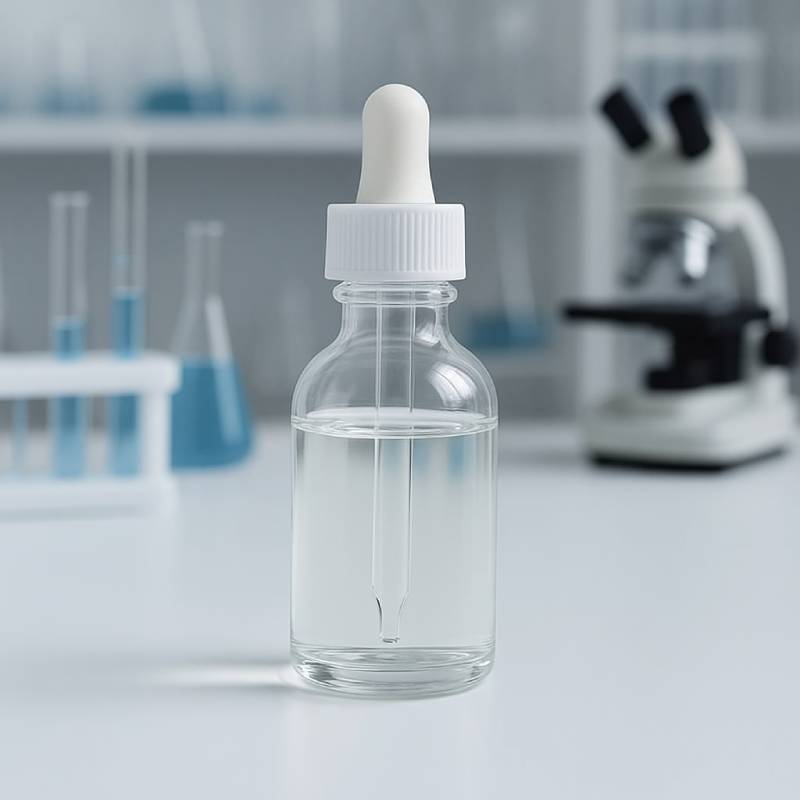
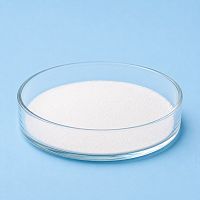
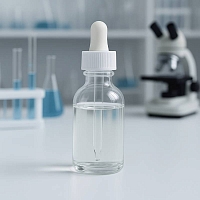
Introducing Decylene Glycol (INCI: Decylene Glycol), a high-purity, colorless, transparent viscous liquid manufactured in Germany. Also known as 1,2-Decanediol, this versatile ingredient is a true multi-tasker, combining the roles of a mild antimicrobial agent, a powerful moisturizer, an emollient, and a sensory enhancer. It is indispensable for formulators seeking to create elegant, stable, and long-lasting products with superior skin feel, available for worldwide delivery.
Product Description and Key Properties
Decylene Glycol offers a unique combination of functionality that goes beyond simple preservation. It acts synergistically with traditional preservative systems, boosting their efficacy and allowing for lower overall preservative levels. It also functions as a highly effective humectant, significantly improving hydration and the skin's barrier function. The ingredient is partially water-soluble but readily dissolves in ethanol, glycols, oils, and emulsions, and maintains excellent stability when heated, making it easy to incorporate into virtually any formula.
Key properties and benefits:
Mild Antimicrobial Effect: Provides a gentle antimicrobial boost, enhancing the preservation system and extending product shelf life.
Superior Hydration: Functions as a humectant, reducing trans-epidermal water loss (TEWL) and improving skin elasticity.
Sensory Enhancement: Imparts a silky texture to cosmetic products, significantly improving the sensory feel during application.
Irritation Reduction: Helps to mitigate irritation commonly caused by surfactants (SLS/SLES), making products gentler on the skin.
Solubilizer and Fixative: Acts as a solubilizer for actives and fragrances, ensuring even distribution, and functions as a fragrance fixative to improve longevity.
Broad Compatibility: Safe and compatible with most cosmetic components, making it suitable for sensitive skin.
Stability: Stable within a wide pH range of 6.0–8.0 (in a 10% aqueous solution).
Applications and Usage Areas
Decylene Glycol's multifaceted nature makes it essential across several industries, from high-end cosmetics to specialized pharmaceutical and household products.
1. Cosmetic Applications:
Skincare (Creams, Lotions, Serums): Used as a moisturizing emollient and preservative booster in creams, lotions, and anti-aging serums. It provides a non-tacky, silky finish.
Cleansing Products (Shampoos, Shower Gels): Included in shampoos and shower gels to reduce the irritating potential of surfactants and enhance the product's texture.
Antimicrobial Products (Deodorants, Foot/Hand Care): A key ingredient in deodorants, antiperspirants, and cleansing products for hands and feet, leveraging its mild antimicrobial action.
Toners and Cleansing agents: Incorporated into toners and liquid cleansing agents due to its solubilizing and antimicrobial properties.
2. Pharmaceutical and Dermatological Applications:
Cleansing Ointments and Gels: Used as an cleansing and stabilizer in specialized dermatological preparations, accelerating the efficacy of primary actives.
Post-Procedure Formulas: Applied in soothing gels and creams for use after aggressive procedures to provide gentle antimicrobial protection and hydration.
3. Household and Perfumery Applications:
Household Cleaning: Acts as a stabilizing and cleansing agent in liquid cleansers and gentle disinfecting sprays.
Perfumery: Functions as a powerful fragrance solvent and fixative, significantly improving the longevity and diffusion of perfume and cologne compositions.
Recommended Dosage:
General Cosmetics (Creams/Gels): 0.5–3%
Cleansing agents and Deodorants: 1–4%
Shampoos and Hair Care: 0.5–2%
Pharmaceutical Formulas: 1–5%
Household Chemicals: 1–10%
Perfumery Compositions: 0.5–1.5%
Recipe: Silky Daily Facial Moisturizer with Enhanced Preservation
Formulate a lightweight, highly moisturizing facial cream with a silky skin feel and enhanced microbial stability, thanks to Decylene Glycol.
Ingredients:
60 g Distilled Water (Water Phase)
15 g Olivem 1000 (Emulsifier)
10 g Jojoba Oil (Oil Phase)
5 g Decylene Glycol
5 g Glycerin (Humectant)
4 g Cetyl Alcohol (Consistency/Emollient)
1 g Preservative (e.g., Liquid Germall Plus)
Instructions for Preparation:
Combine and Heat the Phases: In one beaker, combine the Distilled Water and Glycerin (Water Phase). In a second beaker, combine the Olivem 1000, Jojoba Oil, Cetyl Alcohol, and Decylene Glycol (Oil Phase). Heat both beakers in a double boiler to 70°C–75°C. The Decylene Glycol will fully dissolve in the oil phase upon heating.
Create the Emulsion: Slowly pour the heated Water Phase into the Oil Phase while continuously stirring with a stick blender. Blend in short bursts until a smooth, uniform emulsion is formed.
Cool Down: Remove the beaker from the heat and place it into a cold-water bath. Continue stirring until the emulsion cools to below 40°C.
Add the Preservative: Once cooled, add the preservative. Stir thoroughly to ensure even distribution.
Final Check: The Decylene Glycol will have contributed to a beautiful, silky texture and provided a preservative boost. Pour the finished cream into an appropriate container.
Recommendations:
Dosage: The 5% concentration of Decylene Glycol in this recipe provides maximum benefit, acting as a humectant, texture enhancer, and primary preservative booster.
Sensory Experience: Decylene Glycol is key to the non-greasy, silky texture of this moisturizer.
Storage: Store the finished cream in a cool, dark place. The combined action of Decylene Glycol and the preservative ensures excellent shelf life.