-
 Absolutes
-
 Active Complexes
-
 Actives & Peptides
-
 Amino Acids & Proteins
-
 Food Flavors
-
 Ayurvedic Ingredients & Herbs
-
 Vitamins & Coenzymes
-
 Chocolate Making Supplies
-
 Thickeners & Gelling Agents
-
 Hydrosols & Floral Waters
-
 Hydrolyzed Proteins
-
 Fragrance Ingredients
-
 Nutraceutical Ingredients
-
 Acids, Salts, Alcohols & Alkalis
-
 Preservatives & Antioxidants
-
 Cosmetic Ingredients
-
 Colorants, Micas & Glitters
-
 Masks, Scrubs & Botanicals
-
 Oils & Butters
-
 Candle Making Supplies
-
 Melt and Pour Soap Bases
-
 Cream, Lotion & Hair Care Bases
-
 Fragrance Oils & Industrial Aromatics
-
 Cleansing Agents & Surfactants
-
 Peeling Actives & Acids
-
 Cosmetic Powders
-
 Solvents & Humectants
-
 Silicones & Conditioning Agents
-
 Bottles, Jars & Vials
-
 Silicone & Plastic Molds, Tools
-
 Botanical Extracts
-
 Cosmetic Emollients
-
 Emulsifiers
-
 Essential Oils
- Ingredients for Bath Bomb and Fizzer 218
- Soap Bouquet Crafting Materials 490
- Slime Supplies: Ingredients and Additives 560
- Shampoo ingredients 409
- DIY Perfume Supplies 986
- Deodorant Components 90
- Cold process soap ingredients 96
- Components for lipstick, balm, lip gloss 374
- Sun protection components 259
- Components for washing powder 62
- Bath products 88
- Ingredients for cleaning products 71
- Ingredients for Alginate Masks 36
- Shampoo Ingredients Wholesale 530
- DIY Perfume Supplies Wholesale 1050
- Chocolate Ingredients Wholesale 71
- Components for washing powder Wholesale 64
Shampoo ingredients
 Add to cart


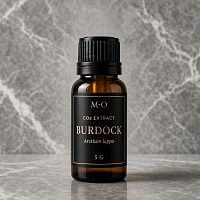
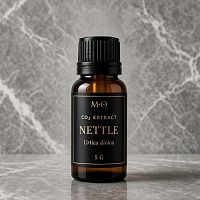
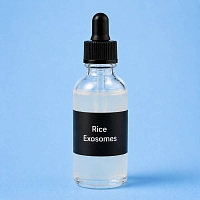
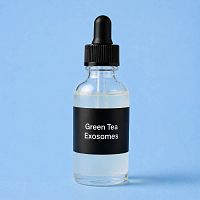




Selecting surfactants for hair cleansing formulas
This category gathers surfactants, thickeners and conditioning agents required for liquid hair formulas. Formulators select ingredients according to desired foam density and rinse behavior. Functional Components help locate substances with specific roles in a recipe. Different surfactants deliver varying foam density and mildness of cleansing, so compatibility testing in lab conditions is essential before scaling up. Formulators working on multiple product lines often reference adjacent categories for complementary texture and color ideas while building consistent ranges across hair care and other cleansing formats.
Conditioning proteins and actives in use
Collagen and silk protein improve slip and manageability of strands after rinsing. These additives are used at low levels to maintain system stability. They complement base formulas without excessive weight. Protein components form a thin film on the hair surface, increasing resistance to mechanical damage during combing. Such actives also support improved detangling and reduced static in finished rinses, making them popular choices for both daily use and specialized conditioning washes. For production volumes, it is easier to order from wholesale shampoo ingredients.
Typical protein concentrations
Most recipes require only 0.5-2 percent, as excess may cause heaviness and reduced volume. Compatibility is checked during mixing with the base surfactant system. Testing small batches first allows adjustment of levels to match the target hair type and desired after-feel without compromising foam quality.
Thickeners for viscosity control
Thickener choice depends on the target consistency of the finished product. Lightweight shampoos call for one set of options while richer textures require stronger systems. Proper combinations ensure storage stability and easy application. Thickeners also influence foam generation speed and contact time of the product with hair. Many formulators combine multiple thickener types to achieve precise flow properties that suit different packaging formats and user expectations.
Oil blends within hair care recipes
Oil blends adjust nourishment and shine. They are dosed sparingly to preserve foam and avoid overloading the recipe. Such additions work well across coordinated product lines with matching scent profiles, enabling harmonious product series creation. Careful selection of oil types helps maintain clarity or opacity as needed while delivering targeted benefits to the hair fiber and scalp area.
Using concentrated bases and supply
Ready cleansing concentrates simplify formula development. Components for washing powder occasionally serve as auxiliary stabilizers. Bis-Aminopropyl Diglycol Dimaleate, 25 ml and Scalposine BC10101, 5 gr appear in advanced hair recipes. All components should be kept in a cool dry place protected from light to retain original properties until the end of shelf life. Consistent batch quality and supporting documentation make these materials suitable for both small-scale craft production and larger manufacturing runs.
FAQ
How should ingredients from this section be stored?
Most substances need a cool dry place away from direct light and heat sources. Tightly closed containers help maintain properties throughout the shelf life.
Can proteins be combined with oil blends?
Yes, proteins and oils are frequently used together while controlling overall concentration to preserve foam performance.
What typical doses apply for collagen?
Usage usually ranges from 0.5 to 2 percent depending on desired effect and compatibility with other formula components.
Are these materials suitable for children's formulas?
Mild surfactants and limited additives allow creation of gentle compositions appropriate for sensitive skin.



