-
 Absolutes
-
 Active Complexes
-
 Actives & Peptides
-
 Amino Acids & Proteins
-
 Food Flavors
-
 Ayurvedic Ingredients & Herbs
-
 Vitamins & Coenzymes
-
 Chocolate Making Supplies
-
 Thickeners & Gelling Agents
-
 Hydrosols & Floral Waters
-
 Hydrolyzed Proteins
-
 Fragrance Ingredients
-
 Nutraceutical Ingredients
-
 Acids, Salts, Alcohols & Alkalis
-
 Preservatives & Antioxidants
-
 Cosmetic Ingredients
-
 Colorants, Micas & Glitters
-
 Masks, Scrubs & Botanicals
-
 Oils & Butters
-
 Candle Making Supplies
-
 Melt and Pour Soap Bases
-
 Cream, Lotion & Hair Care Bases
-
 Fragrance Oils & Industrial Aromatics
-
 Cleansing Agents & Surfactants
-
 Peeling Actives & Acids
-
 Cosmetic Powders
-
 Solvents & Humectants
-
 Silicones & Conditioning Agents
-
 Bottles, Jars & Vials
-
 Silicone & Plastic Molds, Tools
-
 Botanical Extracts
-
 Cosmetic Emollients
-
 Emulsifiers
-
 Essential Oils
- Anti-Aging & Fine Lines 614
- Hair & Scalp Treatments 413
- Body Contouring & Slimming Actives 95
- Mineral Skincare 59
- Vegan Cosmetic Actives 195
- Hyaluronic Acid (HA) 54
- Skin Lightening & Depigmentation Actives 154
- Skin Barrier & Repair Actives 413
- Lifting Systems 117
- Myorelaxants 47
- Body Shaping Actives 83
- Peptides for Cosmetics 286
- Polynucleotides (PDRN) 97
- Anti Inflammatory And Anti Acne Actives 225
- Moisturizing Actives 495
- Skin Firmness and Tone Actives 309
- Actives For Eye Contour Care 145
- Actives for Sensitive Skin 229
- Exosomes 51
- Cosmetic Actives Wholesale 2753
- Peptides Wholesale 533


Peptides Wholesale

 Add to cart




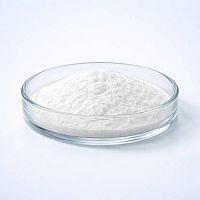
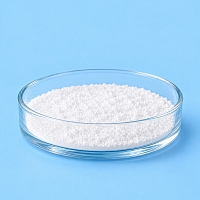
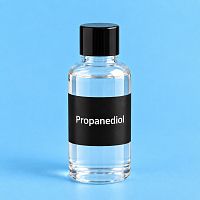
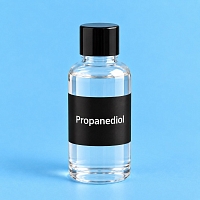
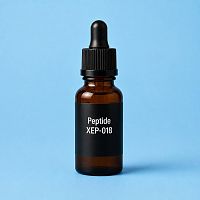
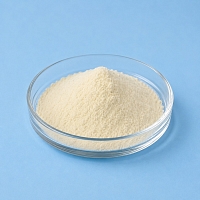
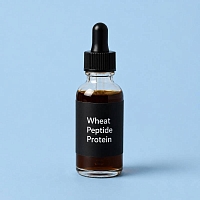




Building peptide based formulas for skin and hair care
This section brings together wholesale peptide ingredients used by formulators to build serums, creams, emulsions and hair care bases. The range covers single peptides and peptide complexes supplied as powders or liquid concentrates, meant to be measured into a finished cosmetic base at a low percentage during production.
Because peptides are active fractions rather than finished products, the same raw material can support very different formulas: a lightweight face serum, a richer night cream, an eye contour gel or a scalp treatment, depending on which peptide fraction is chosen and how it is combined with carriers and emulsifiers. Formulators working across both small batch and industrial lines will find peptides sorted by function, so it is easier to compare fractions before building a base recipe. For a broader look at other active ingredients that pair well with peptides in a single formula, the cosmetic actives wholesale section is a useful next stop, and a dedicated overview of peptides for cosmetics lays out how these fractions are typically classified.
Most formulators combine peptides with humectants, emulsifiers and preservative systems rather than using them alone, since peptides are usually added at the cooldown stage of an emulsion to protect their stability under heat.
Types of peptide fractions and how they differ
Not all peptides carry out the same function inside a formula, and this is the first thing to sort out before comparing suppliers. Signal peptides such as Matrixyl synthe 6 and Matrixyl 3000 are chosen when a formula needs to support the skin matrix, while carrier and neurotransmitter type peptides like HALOXYL and EyeLiss are more often built into eye contour gels and thin fluids aimed at delicate zones.
A separate group targets scalp and lash care rather than facial skin. PROCAPIL and RIGIN are typically weighed into scalp tonics, ampoules and leave-in hair bases, while WideLash is used in lash and brow conditioning formulas. Body contouring is covered by fractions such as Pepti-slim, which formulators fold into firming gels and body serums rather than facial products.
Choosing a fraction and building a compatible base
Selection usually starts from the finished product a formulator has in mind, not from the peptide name alone. A lightweight face serum calls for a fraction with good water solubility, while a richer night cream or an eye balm can carry a peptide alongside heavier emulsifiers and occlusive oils without losing stability. Concentrated blends such as IDEALIFT, available in smaller lab-scale packs or as IDEALIFT in a 1 kg pack for production runs, illustrate how the same fraction is offered at different volumes depending on batch size.
In a recipe, peptides are rarely the only active ingredient. They are commonly paired with humectants for water retention, film formers for a smoother skin feel, and complementary actives from the anti-age actives range, letting a formulator combine several mechanisms of action in one base rather than relying on a single ingredient. A finished example of this layered approach can be seen in a face serum with bio gold, where a peptide fraction sits alongside other active components in one ready base.
Origin, packaging and storage
Peptide raw materials in this range are sourced from established cosmetic ingredient producers in France, Germany, Switzerland, Italy, Spain, the United States, Israel and China, and formulators comparing fractions can weigh country of origin alongside function when planning a formula.
Most peptides are supplied as liquid concentrates in glass or plastic containers, with pack sizes ranging from small lab volumes to larger containers meant for production batches. Because peptide bonds are sensitive to heat and light, these concentrates should be kept in a cool, shaded place and added to a base only after it has cooled below the temperature that would break down the active fraction.
FAQ
What is the difference between a single peptide and a peptide complex in cosmetic formulas?
A single peptide is one isolated fraction with a narrow, specific function, while a peptide complex blends several fractions to cover multiple actions at once, such as firmness and hydration. Formulators often start with single peptides for precise testing, then move to complexes for finished retail formulas.
How much peptide should be added to a cream or serum base?
Most peptide ingredients are used at low percentages, typically between 1 and 5 percent of the total formula, added during the cool down phase to protect the fraction from heat. Exact dosage depends on the specific peptide and the supplier data sheet, so always check the recommended range before scaling a batch.
Can peptides be combined with other active ingredients in one formula?
Yes, peptides are commonly layered with humectants, plant extracts and lightweight oils to build a balanced serum or cream. Compatibility depends on the pH and stability of the base, so it helps to test a small trial batch before committing to a full production run.
How should peptide raw materials be stored before use?
Peptide powders and concentrates are sensitive to heat, light and moisture, so they should be kept in a cool, dry, tightly sealed container away from direct sunlight. Following the storage note on the packaging helps preserve activity until the ingredient is measured into a base.
Are these peptides suitable for both small batch and industrial cosmetic production?
Yes, the range is sorted by function so formulators can compare fractions whether they are building a small test batch or scaling a formula for a production line. The same raw material can be measured proportionally for either volume, provided the base recipe is adjusted accordingly.
Recommendations
Choosing the right peptide fraction starts with the result you want in the finished formula, whether that is a lightweight serum, a richer cream or a targeted eye or scalp treatment. Compare the listed function of each fraction before ordering, check whether a single peptide or a complex fits your recipe better, and request a small trial quantity if you are testing a new base for the first time. For larger production runs, confirm the batch size available and plan your order around the standard assembly window. Reach out by email with your formulation goal and target volume, and our team can help match the right peptide ingredient to your production line.



