-
 Absolutes
-
 Active Complexes
-
 Actives & Peptides
-
 Amino Acids & Proteins
-
 Food Flavors
-
 Ayurvedic Ingredients & Herbs
-
 Vitamins & Coenzymes
-
 Chocolate Making Supplies
-
 Thickeners & Gelling Agents
-
 Hydrosols & Floral Waters
-
 Hydrolyzed Proteins
-
 Fragrance Ingredients
-
 Nutraceutical Ingredients
-
 Acids, Salts, Alcohols & Alkalis
-
 Preservatives & Antioxidants
-
 Cosmetic Ingredients
-
 Colorants, Micas & Glitters
-
 Masks, Scrubs & Botanicals
-
 Oils & Butters
-
 Candle Making Supplies
-
 Melt and Pour Soap Bases
-
 Cream, Lotion & Hair Care Bases
-
 Fragrance Oils & Industrial Aromatics
-
 Cleansing Agents & Surfactants
-
 Peeling Actives & Acids
-
 Cosmetic Powders
-
 Solvents & Humectants
-
 Silicones & Conditioning Agents
-
 Bottles, Jars & Vials
-
 Silicone & Plastic Molds, Tools
-
 Botanical Extracts
-
 Cosmetic Emollients
-
 Emulsifiers
-
 Essential Oils
Macerated Oils
 Add to cart




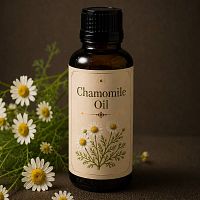


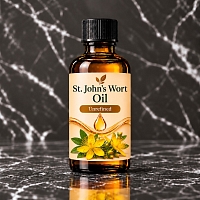
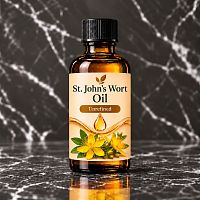
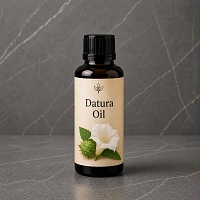

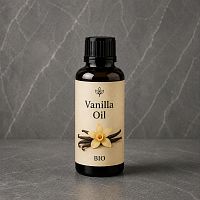
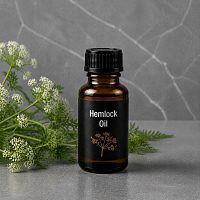
Infused oils built on real plant material
Natural macerates are plant-infused oils made by steeping herbs, flowers, roots, or other botanical material in a carrier oil over time, allowing lipid-soluble compounds, pigments, and aromatic traces to transfer into the oil. The result is a single-ingredient oil that carries the color, scent, and skin-feel character of the plant it was made from, ready to use as a formulation component rather than a finished product on its own.
Formulators work macerates into face and body creams, serums, balms, massage oils, and hair care blends, using them either as a full or partial replacement for a plain carrier oil in a recipe. Because each macerate keeps the sensory profile of its source plant, it often does double duty as both an active-adjacent ingredient and a natural colorant or scent layer in a formula. For production volumes, it is easier to order from wholesale macerated oils.
For structural components that pair well alongside macerates in the same batch, formulators often reach for butters to add body and melting point control, or blend in liquid basic oils to adjust the final texture and absorption rate.
Common types and how they differ
Within this category, macerates fall into a few practical groups. Some carry strong pigment, ranging from pale gold to deep green or amber, and are chosen primarily to tint a cream, balm or other cosmetic base without synthetic dye. Others are valued mainly for scent transfer, giving a formula a soft herbal or floral background note that a plain carrier oil cannot provide. A third group is prized for skin-feel: how fast the oil absorbs, how rich or light it sits on the surface, and how it changes the spreadability of the final blend.
A calendula-style or chamomile-style macerate, for example, tends to sit on the gentler end of the texture range and is often chosen for facial serums and lightweight lotions, while a heavier botanical infusion may suit balms and thicker body butters better. Individual items such as the Lemon Macerate 50 ml or the Laurel Leaf Macerate 10 ml illustrate this range in miniature, one leaning toward a brighter, citrus-adjacent character and the other toward a deeper, herbal profile more common in massage and balm work.
Choosing the right macerate and building a formula around it
Selection usually starts with the role the oil needs to play. If the goal is color and a mild plant character in a cream or lotion, a lighter-bodied macerate blended at a small percentage is enough. If the goal is a fuller sensory experience, such as in a massage oil, a macerate can make up a much larger share of the total oil phase.
Macerates rarely work alone in a formulation. Many chemists pair them with a plain base oil to dilute intensity and control cost, or blend several together using a ready oil mixture as a starting point. For water-based systems, a water soluble oil can bridge the gap between an oil phase and an aqueous base, while a concentrated natural oil complex adds a further layer of active character alongside the macerate. Formulators exploring a wider range of botanical inputs often also look at herbal oil extracts and infusions as a complementary line of ingredients built the same way but sourced from different plant families.
Origin and storage
Part of the current assortment in this group is sourced from Germany, reflecting a supply chain built around consistent extraction quality. As with any plant-infused oil, color and aroma can shift slightly between production batches, since the intensity depends on the raw plant material used in the maceration step.
Because macerates are oil-based rather than water-based, they are shelf-stable when kept away from direct light and heat. A cool, dark storage area helps preserve both color and scent over time, and keeping containers tightly closed limits oxidation once a bottle has been opened for regular formulation use.
Composition and stability of macerates
Macerates are produced on refined or unrefined carrier oils. Refined bases show neutral odor and light color with better oxidative stability, while unrefined ones carry their own plant scent and may shift the final hue of the infusion. The fatty acid profile of the base determines overall oxidative stability of the finished macerate.
Selection considers typical markers such as oleic and linoleic content that affect flow, together with quality papers including COA and specification that confirm batch composition and consistency. Color and scent in macerates arise mainly from the steeped plant material.
Recommendations
When picking a macerate for a batch, match the base oil to your target texture first, then check the plant material for the color depth and scent strength your formula needs. Request a small sample before committing to a full order, since natural variation between harvests can shift shade and aroma slightly from batch to batch. Reach out by email to confirm current stock and place an order.
A macerated oil develops when plant material remains in contact with a neutral lipid base over time allowing the transfer of soluble components into the resulting infused oil. The process produces an oil extract whose attributes reflect the specific botanicals employed and the duration of contact. Formulators select an infused oil according to the sensory profile and compatibility needs of the final mixture. Each oil extract therefore serves as a distinct ingredient within broader cosmetic development work where the choice of starting materials determines the overall character.
FAQ
What is the difference between a macerate and an essential oil?
A macerate is a carrier oil infused with plant material over time, carrying fatty acids plus lipid-soluble pigments and aroma traces. An essential oil is a concentrated, distilled aromatic extract with no carrier fat at all, used at much lower dosages in a formula.
How should infused oils be stored before use in a formula?
Keep macerates in a cool, dark place away from direct light and heat, tightly sealed to limit oxygen exposure. Proper storage slows rancidity and helps the oil keep its natural color and scent intact until it goes into a batch.
Can a macerate replace the carrier oil in an existing recipe?
Yes, in most cases a macerate can substitute a plain carrier oil fully or partially, since it carries similar fatty acid behavior plus added color and aroma. Test a small batch first to check how the extra pigment and scent affect the final texture and appearance.
What quality documents accompany macerates?
Current documents are listed in the «Documents» block of each product card.
What factors influence the strength of an oil extract?
The duration of contact and the ratio of plant material to base lipid determine how pronounced the resulting macerated oil becomes.



