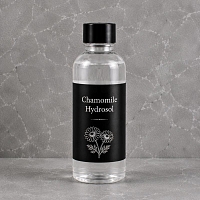
Why Chamomile Oil Remains a Staple for Calming Skincare Formulas
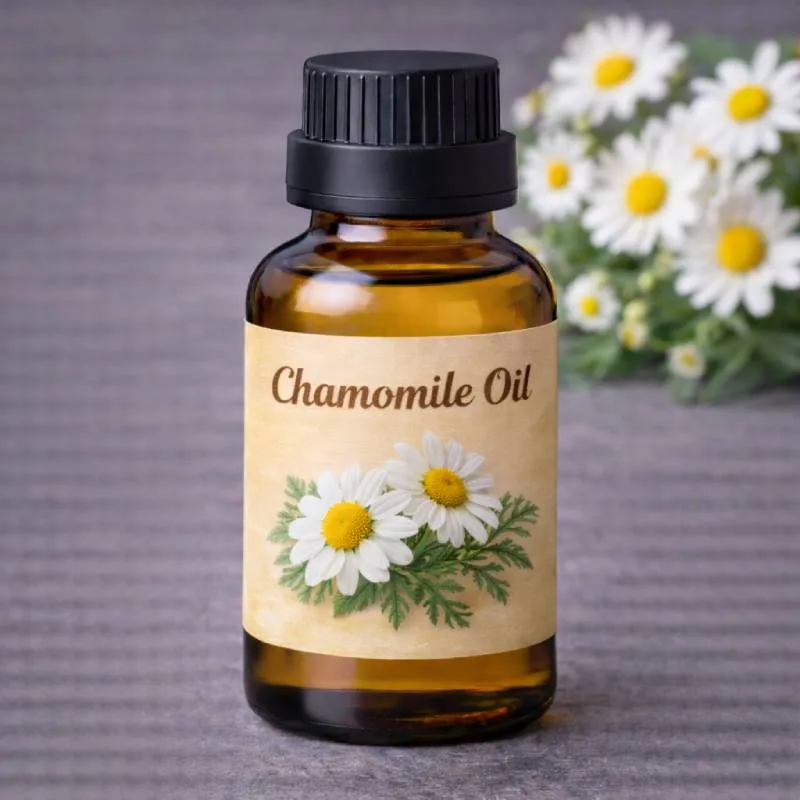
Chamomile oil in a 50 ml bottle is a macerate produced by infusing chamomile flowers in a carrier oil base, allowing the plant's beneficial fat-soluble compounds to transfer into the finished product. This item belongs to the category of natural macerates, made through prolonged infusion of botanical material in oil without any alcohol extraction, which preserves the gentle nature of chamomile's active substances. The 50 ml size is well suited for home-based cosmetic formulation and small trial batches, allowing formulators to test a recipe before scaling production.
The primary application of chamomile oil lies in skincare products designed for sensitive and reactive skin types. It is widely used in creams, balms, after-shave products, baby care lines, and formulations for the delicate eye contour area. Chamomile has long been valued for its ability to soothe the skin and reduce visible signs of irritation, which is why the oil appears frequently in formulas targeting problematic or easily irritated skin. Beyond skincare, the oil is used in hair care products, where it helps soften hair strands and ease detangling, particularly in masks and leave-in treatments.
Chamomile oil blends well with items from the Liquid Oils category. This helps create tailored formulas for cosmetic use. The 50 ml size works for small test batches at home.
Within perfumery, chamomile oil rarely serves as a primary note but is occasionally blended into herbal and floral compositions to add a natural undertone. In household chemical products, it can be found in gentle formulas for delicate fabrics and infant textiles, where a lower-irritation profile matters. Candle making also makes limited use of chamomile-infused oil, where it contributes a subtle herbal nuance to scented candle blends, though this remains a secondary application for this raw material.
Chamomile macerate pairs well with other botanical infusions among base oils, including Lemon Macerate, which introduces a brightening note to a blend, and Laurel Leaf Macerate, traditionally used in scalp and hair strengthening treatments. For hydrating formulations, chamomile oil is often combined with Aloe Vera Macerate BIO, which enhances the softening effect of the finished product.
Recommended dosage for chamomile oil in finished formulations ranges from 5 to 20 percent of the total oil phase, depending on the intended use of the product. The oil should be introduced during the oil phase blending stage at a temperature not exceeding 40-45 degrees Celsius to avoid degrading heat-sensitive plant compounds. Store the product in a tightly sealed container, in a cool, dark place away from direct sunlight and heat sources, to maintain stability throughout its shelf life.
Soothing Lip Balm for Sensitive Skin
Chamomile oil 10 ml
Beeswax 8 g
Shea butter 12 g
Castor oil 10 ml
Vitamin E 1 ml
Melt the beeswax and shea butter together in a double boiler until fully liquid at around 60 degrees Celsius. Remove from heat, stir in the castor oil, then cool the mixture to about 40 degrees before adding the chamomile oil and vitamin E. Mix thoroughly and pour into small lip balm containers, allowing the balm to set at room temperature for a few hours before use.
Listed under the INCI name Oleum Chamomilla.
FAQ
What is the minimum wholesale batch and available pack options for chamomile oil?
The product is supplied in 50 ml containers. Wholesale quantities and other sizes are listed in the current specification available on request.
Which documents such as COA and specification are provided with chamomile oil?
Current documents for this product are listed in the «Documents» block of the product card.
What is the shelf life of chamomile oil, how to spot rancidity and how to slow it?
The stated shelf life reaches 10.2028 under proper storage in a tightly closed dark dry place. Signs of rancidity and extension methods are described in the label or COA.
What input percentage and phase of addition apply to chamomile oil?
Recommended usage levels range from 5-10% in gels and emulsions up to 10-100% for massage. The product is added to the fatty phase. Exact values for a specific formula are confirmed via the specification sheet.