-
 Absolutes
-
 Active Complexes
-
 Actives & Peptides
-
 Amino Acids & Proteins
-
 Food Flavors
-
 Ayurvedic Ingredients & Herbs
-
 Vitamins & Coenzymes
-
 Chocolate Making Supplies
-
 Thickeners & Gelling Agents
-
 Hydrosols & Floral Waters
-
 Hydrolyzed Proteins
-
 Fragrance Ingredients
-
 Nutraceutical Ingredients
-
 Acids, Salts, Alcohols & Alkalis
-
 Preservatives & Antioxidants
-
 Cosmetic Ingredients
-
 Colorants, Micas & Glitters
-
 Masks, Scrubs & Botanicals
-
 Oils & Butters
-
 Candle Making Supplies
-
 Melt and Pour Soap Bases
-
 Cream, Lotion & Hair Care Bases
-
 Fragrance Oils & Industrial Aromatics
-
 Cleansing Agents & Surfactants
-
 Peeling Actives & Acids
-
 Cosmetic Powders
-
 Solvents & Humectants
-
 Silicones & Conditioning Agents
-
 Bottles, Jars & Vials
-
 Silicone & Plastic Molds, Tools
-
 Botanical Extracts
-
 Cosmetic Emollients
-
 Emulsifiers
-
 Essential Oils
- Cream Jars Wholesale 463
- Bottles for cosmetics, dispensers wholesale 1470
- Laboratory glassware wholesale 10
- Measuring Equipment Wholesale 12
- Cosmetic Containers Wholesale 1484
- Plastic containers wholesale 16
- Perfume testers wholesale 20
- Glass bottles and jars Wholesale 395
- Perfume Packaging Wholesale 517
- Diffuser bottles and reeds wholesale 25
- Metal perfume atomizers Wholesale 10


Cream Jars Wholesale

 Add to cart


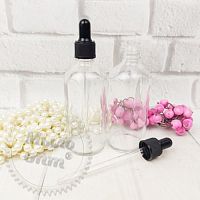


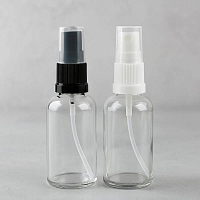
Choosing containers for creams serums and balms
This section brings together jars intended for packaging finished cosmetic formulations, from lightweight creams to dense balms and thick serums. The range covers different volumes, wall materials and closure types, so formulators can match a jar to the texture and viscosity of a specific product. Both makers working in small batches and larger production lines will find suitable options here.
These jars are used across a broad spectrum of cosmetic categories, including face and body creams, night treatments, cooling gels, solid balms and multi purpose ointments. The right container protects the formulation from air and light exposure while keeping the texture stable during storage and everyday use. Choosing a jar also involves practical handling questions, which is why many buyers pair this section with measuring equipment wholesale for consistent batch filling, and with laboratory glassware wholesale for the formulation stage before packaging.
Wall thickness, neck diameter and lid design all affect how a cream behaves once it reaches the end user, from ease of scooping to resistance against leaking during transport. Matching these details to the final product early in development helps avoid costly repackaging later.
Jar formats and closure styles
Within this range, containers differ mainly by volume, mouth width and lid mechanism. Small formats such as the Jar Tiffani 20 ml 100 pcs or the Cream jar 20 ml, 100 pcs suit trial batches, travel sizes and sample kits, while options like the Cream jar 20 ml, 900 pcs are built for larger production runs of the same texture.
Wide mouth jars such as the Cosmetic jar 100 ml, from 100 pieces and its bulk equivalent, the Cosmetic jar 100 ml, from 1000 pieces, are made for scoopable creams and thicker balms, whereas dispenser bottles like the Bottle for cream with a dispenser 50 ml from 1000 pcs or the smaller batch Bottle for cream with a dispenser 50 ml from 100 pcs suit pourable serums and lighter lotions. A compact option such as the Jar plastic container 6 ml with a lid, from 100 pieces fits concentrated balms, lip care or sample formats sold in small units.
Matching container to formulation and adjacent packaging
Choosing the right jar depends on the viscosity and density of the finished product. Thick balms and anhydrous formulas hold their shape better in straight walled jars with a firm lid, while fluid creams and gel serums benefit from dispenser tops that limit air exposure between uses. The Gloria bottle 200 ml from 100 pieces works well for lighter body lotions produced in mid size batches.
Many formulators pair jar selection with other packaging lines from the same production, since a full skincare or color cosmetics range often needs several closure types side by side. The Lip gloss tube, from 100 pcs and the Lipstick tube wholesale cover color cosmetics produced alongside a cream or balm line, and a broader look at closures and materials is available in the Cosmetic Containers Wholesale section for anyone planning a mixed order across several product types.
Material origin and storage conditions
Jars in this range come from suppliers in Poland and China, giving buyers a choice between different plastic grades and finishing standards depending on the target market and price point. Both origins are represented across small and bulk order thresholds, so the choice often comes down to volume needs rather than material limitations.
Empty jars should be stored in a dry space away from direct sunlight and strong odors, since plastic can absorb scent over time and affect how a finished cream or balm smells once filled. Keeping stock in its original packaging until use also protects lids and threads from dust and minor damage during handling.
FAQ
What size jar is best for a thick balm versus a lightweight cream
Thicker balms generally pair well with wider neck openings that allow easy scooping with a spatula, while pourable creams and gels often work better in narrower necked jars that limit air exposure. Matching neck diameter to viscosity reduces product waste and keeps texture consistent through repeated use.
What materials are these cosmetic jars typically made from
Jars in this category are offered in various wall materials, each with different weight, clarity and resistance properties. The choice affects how well the container protects the formulation from light and air, and also influences shelf presentation and shipping weight for larger production runs.
How should filled cosmetic jars be stored before use
Store empty jars in a dry area away from direct sunlight and temperature extremes to keep lids sealing properly and prevent material degradation. Once filled with a finished formulation, storage conditions should also match the specific product requirements of the cream, balm or serum inside.
Can the same jar work for both creams and solid balms
Many jar formats are versatile enough to hold both pourable creams and firmer balms, though wall thickness and lid fit matter more for solid products that get scooped repeatedly. Reviewing the closure type and opening width helps confirm whether a single jar design suits multiple product textures.
What should be checked before ordering jars for a production batch
Confirm the volume matches your target fill weight, check that the neck diameter suits your filling equipment, and verify the lid closure type prevents leaking during transport. Requesting a small sample order first helps confirm compatibility before committing to a larger batch.
Recommendations
When narrowing down a jar for your next batch, start with the texture of the finished formulation rather than the container size alone. A dense balm calls for a wider opening and sturdy walls, while a lightweight serum benefits from a snug lid that limits air contact during storage. Consider ordering a small trial batch across a few volumes to test filling speed and closure fit with your actual production line before committing to a full order. Our team is available by email to help match jar specifications to your formulation and confirm current stock ahead of a larger purchase.