-
 Absolutes
-
 Active Complexes
-
 Actives and Peptides for Cosmetics
-
 Amino Acids
-
 Food Flavorings
-
 Ayurveda
-
 Vitamins
-
 Gelling Agents and Thickeners
-
 Hydrosols and Floral Waters
-
 Hydrolyzed Proteins
-
 Fragrant and aromatic substances
-
 Acids, Salts, Alcohols, and Alkalis
-
 Preservatives and Antioxidants
-
 Cosmetic Raw Materials
-
 Dyes, Pearlescents, and Glitters
-
 Face Masks, Scrubs, and Dried Flowers
-
 Natural Base Oils for Cosmetics
-
 Candle Supplies
-
 Melt and Pour Soap Bases
-
 Base for cosmetics, cream, serum, shampoo
-
 Fragrance Oils
-
 Surfactants
-
 Peelings for Skin
-
 Herbal Powders and Plant
-
 Silicones and Conditioning Surfactants for Hair
-
 Packaging for Cosmetics and Perfumes
-
 Molds, Packaging, Tools
-
 Organic Extracts
-
 Emollients for Cosmetics
-
 Emulsifiers
-
 Essential Oils
- Anti-Aging Actives 370
- Active Ingredients for Hair 297
- Actives for Body Shaping and Weight Loss 93
- Mineral Actives 53
- Vegetarian Actives, Cosmetic Actives, Peptides 146
- Hyaluronic Acid and Actives for Cosmetic 44
- Depigmentation and Skin Lightening 120
- Skin Protection and Restoration 213
- Lifting Systems 84
- Myorelaxants 41
- Shaping Actives for the Body 84
- Peptides for Cosmetics 223
- Anti-inflammatory and Mattifying Ingredients 186
- Moisturizing Actives 369
- Skin Firmness and Tone Actives 222
- Skincare Around the Eyes 74
- Actives for Sensitive Skin 97
- Cosmetic Actives Wholesale 2071
- Peptides Wholesale 403


Moisturizing Actives
 Add to cart
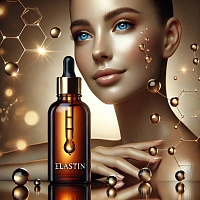







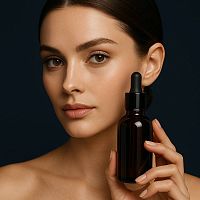
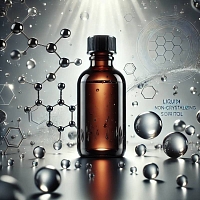



Увлажняющие активы: Основа для создания эффективной косметики
Увлажнение – один из ключевых аспектов ухода за кожей, что делает увлажняющие активы незаменимыми компонентами в производстве косметики. Эти ингредиенты обеспечивают глубокое насыщение влагой, улучшают текстуру кожи и помогают поддерживать её здоровье. Благодаря разнообразию увлажняющих активов можно создавать продукты для всех типов кожи, от сухой до жирной, и удовлетворять самые разные потребности.
Что такое увлажняющие активы?
Увлажняющие активы – это высокоэффективные компоненты, которые проникают в глубокие слои кожи, удерживают влагу и укрепляют кожный барьер. Они способствуют восстановлению естественного водного баланса, предотвращают обезвоживание и делают кожу мягкой и упругой.
Преимущества использования увлажняющих активов
- Глубокое увлажнение: Удерживают влагу в коже, предотвращая её сухость.
- Укрепление барьерной функции: Восстанавливают липидный слой кожи, защищая её от внешних факторов.
- Улучшение текстуры: Разглаживают кожу, делая её мягкой и эластичной.
- Совместимость с другими компонентами: Подходят для использования в различных типах косметики.
- Универсальность: Эффективны для всех типов кожи, включая чувствительную.
Популярные увлажняющие активы для косметики
-
Гиалуроновая кислота:
- Низкомолекулярная – проникает в глубокие слои кожи.
- Высокомолекулярная – создаёт защитный увлажняющий барьер.
-
Пантенол (витамин В5):
- Успокаивает кожу, ускоряет заживление и способствует удержанию влаги.
-
Аллантоин:
- Смягчает кожу, устраняет шелушение и ускоряет регенерацию.
-
Мочевина:
- Обеспечивает глубокое увлажнение, делает кожу более гладкой.
-
Сорбитол:
- Природный увлажнитель, создаёт ощущение мягкости и комфорта.
-
Керамиды:
- Восстанавливают липидный барьер кожи, предотвращают потерю влаги.
Применение увлажняющих активов
- Кремы и лосьоны: Увлажняют кожу и улучшают её текстуру.
- Сыворотки: Глубоко проникают и насыщают кожу влагой.
- Маски для лица: Обеспечивают интенсивное восстановление и увлажнение.
- Шампуни и кондиционеры: Увлажняют кожу головы и волосы, предотвращая их сухость.
- Солнцезащитные средства: Защищают кожу от UV-излучения и предотвращают обезвоживание.
Пример рецепта: Увлажняющий крем с гиалуроновой кислотой и пантенолом
Ингредиенты:
- Гиалуроновая кислота низкомолекулярная – 1 г
- Пантенол – 3 мл
- Базовый крем – 50 мл
- Консервант – по инструкции
Инструкция:
- Разогрейте базовый крем до комнатной температуры.
- Введите гиалуроновую кислоту и пантенол, тщательно перемешайте.
- Добавьте консервант, перемешайте снова.
- Перелейте готовый крем в стерильную ёмкость.
Почему выбирают увлажняющие активы от "Мыло Опт"?
- Качество и безопасность: Сертифицированные ингредиенты, соответствующие международным стандартам.
- Разнообразие: Большой выбор увлажняющих активов для различных типов продуктов.
- Гибкость поставок: Возможность заказать как небольшие партии, так и оптовые объёмы.
- Международная доставка: Продукция доступна для доставки в любую точку мира.
Популярные продукты в разделе "Увлажняющие активы"
- Низкомолекулярная гиалуроновая кислота – для глубокого увлажнения.
- Пантенол (витамин В5) – для успокоения и восстановления кожи.
- Керамиды – для укрепления барьерной функции кожи.
Ознакомьтесь с полным ассортиментом в разделе «Увлажняющие активы» на сайте "Мыло Опт" и создайте косметику, которая обеспечивает коже глубокое увлажнение и здоровье.