
-
 Absolutes
-
 Active Complexes
-
 Actives & Peptides
-
 Amino Acids & Proteins
-
 Food Flavors
-
 Ayurvedic Ingredients & Herbs
-
 Vitamins & Coenzymes
-
 Chocolate Making Supplies
-
 Thickeners & Gelling Agents
-
 Hydrosols & Floral Waters
-
 Hydrolyzed Proteins
-
 Fragrance Ingredients
-
 Nutraceutical Ingredients
-
 Acids, Salts, Alcohols & Alkalis
-
 Preservatives & Antioxidants
-
 Cosmetic Ingredients
-
 Colorants, Micas & Glitters
-
 Masks, Scrubs & Botanicals
-
 Oils & Butters
-
 Candle Making Supplies
-
 Melt and Pour Soap Bases
-
 Cream, Lotion & Hair Care Bases
-
 Fragrance Oils & Industrial Aromatics
-
 Cleansing Agents & Surfactants
-
 Peeling Actives & Acids
-
 Cosmetic Powders
-
 Solvents & Humectants
-
 Silicones & Conditioning Agents
-
 Bottles, Jars & Vials
-
 Silicone & Plastic Molds, Tools
-
 Botanical Extracts
-
 Cosmetic Emollients
-
 Emulsifiers
-
 Essential Oils
- Absolutes Wholesale 87
- Active Complexes for Cosmetics Wholesale 411
- Amino Acids & Proteins Wholesale 92
- Antioxidants Wholesale 303
- Ayurvedic Powders Wholesale 273
- Biocides Wholesale 16
- Thickeners and Gelling Agents in Bulk 116
- Bulk Hydrosols for Cosmetics 10
- Hydrocolloids in Bulk 5
- Hydrolyzed Proteins Wholesale 75
- Aromatic Fragrant Waters Wholesale 27
- Fragrance Ingredients Bulk 168
- Preservatives & Antioxidants Wholesale 161
- Corneotherapy Wholesale 10
- Cosmetic Clay Wholesale 14
- Neutralizers/pH Correctors Wholesale 17
- Surfactants Wholesale 145
- Cosmetic Peelings Wholesale 77
- Cosmetic Powders Wholesale 403
- Silicones and Conditioning Surfactants for Hair Wholesale 124
- Resins and Resinoids Wholesale 17
- UV and SPF Filters Wholesale 100
- Cosmetic Emollients Wholesale 144
- Emulsifiers Wholesale 335
- Enzymes, Filtrates and Lysates in Bulk 35
Neutralizers/pH Correctors Wholesale
 Add to cart
Read more
 Add to cart
Read more
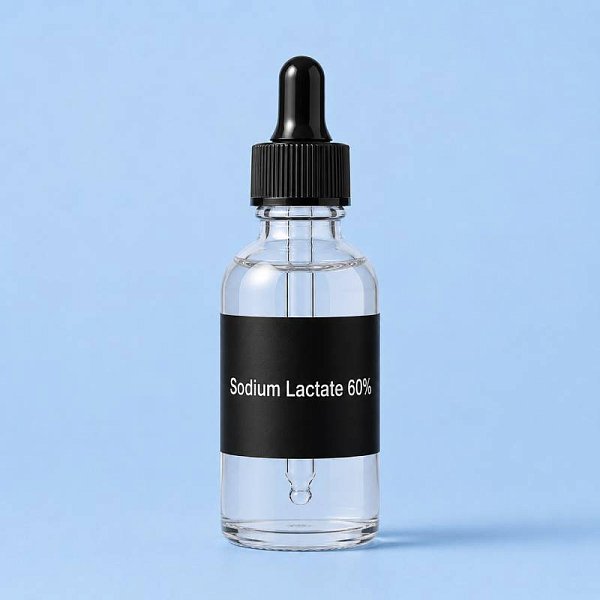
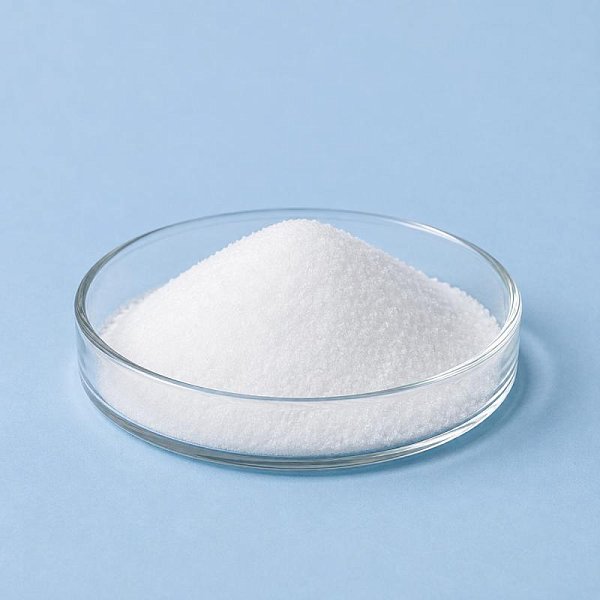
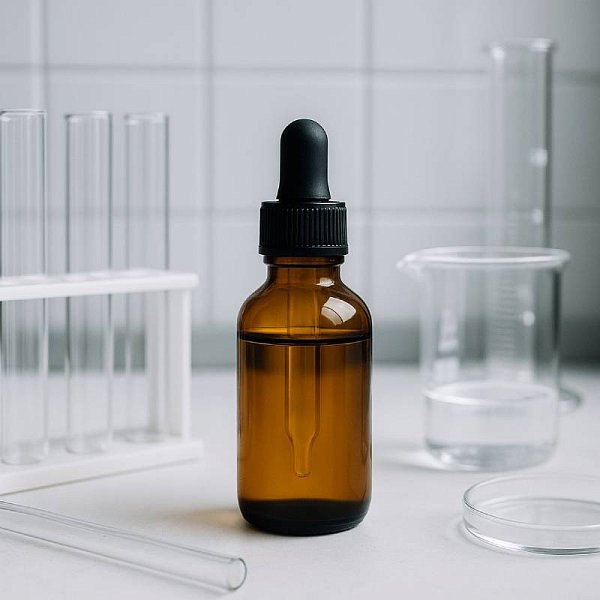
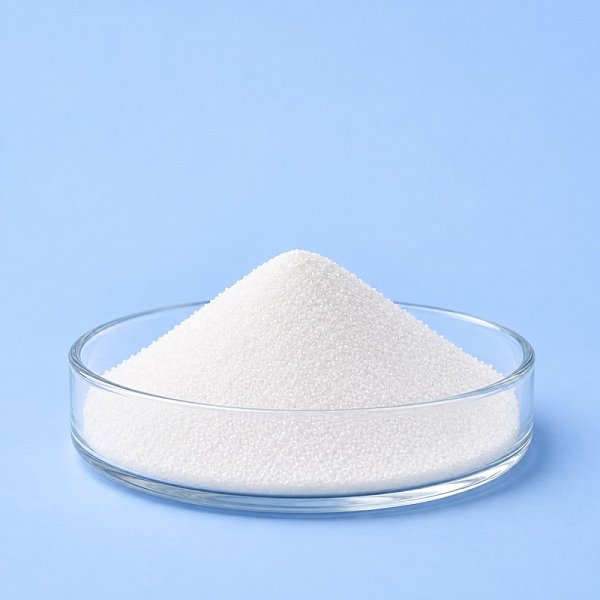
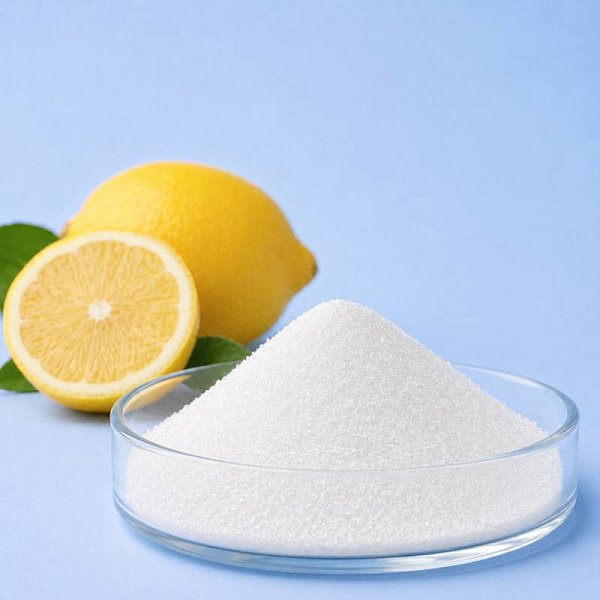
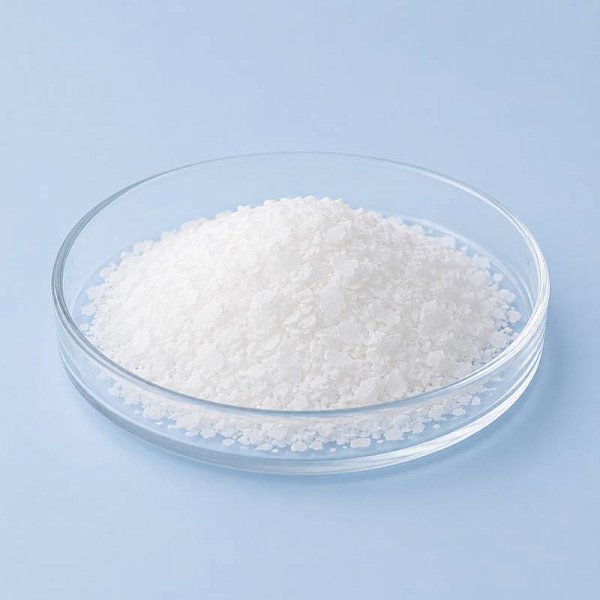
Adjusting acidity levels in cosmetic bases
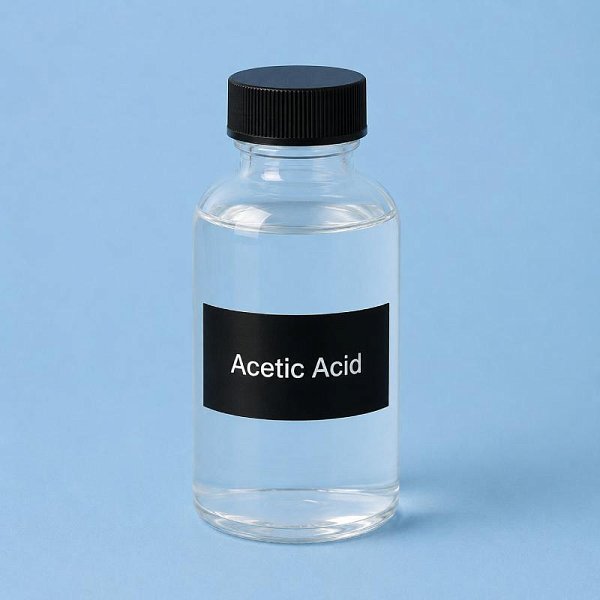
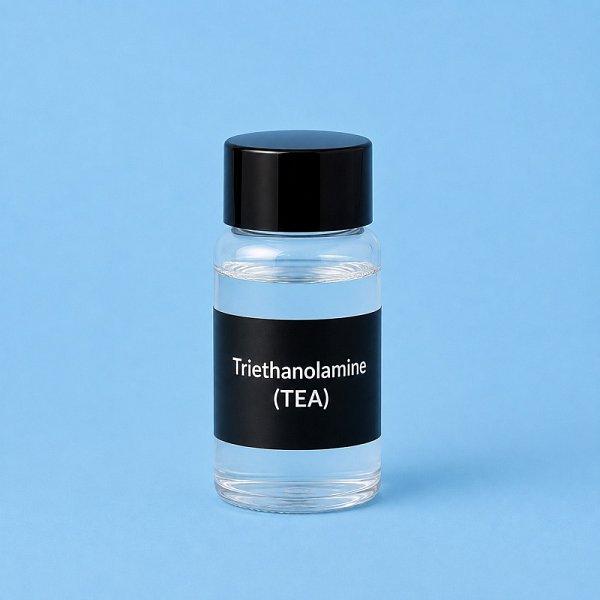
Neutralizers and pH correctors allow precise control over the acidity of water-based mixtures. The section features both alkaline and acid compounds, including triethanolamine, citric acid, lactic acid and sodium hydroxide solution. These ingredients are added during emulsion and gel preparation to secure system stability and proper thickener performance.
The final acidity level directly influences preservative and antioxidant behavior. Cosmetic Ingredients Wholesale are frequently paired with these regulators because many active complexes retain their properties only within a defined pH range. For test formulations, you can buy ph Neutralizers/Correctors at retail in small packs.
Differences between alkaline and acid regulators
Alkaline substances such as triethanolamine are used to neutralize carbomers and acrylate thickeners. They raise pH while also helping form a viscous emulsion structure. Sodium hydroxide solution is chosen when rapid and strong correction is required. Acid regulators, by contrast, lower excess alkalinity after other components have been introduced.
Citric acid suits final spot correction, while lactic acid additionally supports moisturizing qualities of the blend. Selection depends on the base type and already added ingredients.
Compatibility with remaining formula components
When working with emulsifiers it is essential to consider that emulsion stability depends on the final pH. Correctors are often combined with clays, where acidity adjustment helps maintain suspension uniformity. Environment-sensitive materials, including UV filters, require strict pH control for even distribution.
Biocides Wholesale reach maximum effectiveness only at the correctly chosen acidity level, therefore neutralizers are introduced before final batch stability checks.
Selection specifics for production batches
Base type and addition stage considerations
Carbomer systems call for gradual neutralization with triethanolamine while monitoring viscosity at each step. Water solutions and gels based on natural gums more often require acid correctors. Current pH is always measured before dosing to avoid overuse.
Supply for laboratories and manufacturers
Production runs are supported with various pack sizes that guarantee consistent composition from batch to batch. Each delivery is accompanied by the required documentation confirming quality and compliance with specifications. This allows seamless integration of regulators into the manufacturing process without extra verification steps.
Storage and handling of the raw materials
Alkaline and acid correctors are kept in sealed containers at stable temperature, away from moisture and direct light. Sodium hydroxide solutions need extra protection from air contact to prevent carbonate formation. Following these conditions preserves substance activity throughout the shelf life.
Citric acid, 1 kg is convenient for laboratory dosing, while Sodium hydroxide, 10 kg suits large batches where fast correction is needed.
FAQ
Which corrector suits a carbomer gel?
Alkaline neutralizers such as triethanolamine are used, added gradually while monitoring viscosity and pH.
Can one regulator serve every formula type?
No, choice depends on starting acidity and thickener type; acid and alkaline substances are not interchangeable.
Does pH affect finished product shelf life?
Yes, the correct acidity range helps preservatives maintain effectiveness over the entire usage period.
Should pH be checked after every ingredient addition?
Measure before adding the neutralizer and again after mixing is complete to confirm the target value has been reached.



