-
 Absolutes
-
 Active Complexes
-
 Actives & Peptides
-
 Amino Acids & Proteins
-
 Food Flavors
-
 Ayurvedic Ingredients & Herbs
-
 Vitamins & Coenzymes
-
 Chocolate Making Supplies
-
 Thickeners & Gelling Agents
-
 Hydrosols & Floral Waters
-
 Hydrolyzed Proteins
-
 Fragrance Ingredients
-
 Nutraceutical Ingredients
-
 Acids, Salts, Alcohols & Alkalis
-
 Preservatives & Antioxidants
-
 Cosmetic Ingredients
-
 Colorants, Micas & Glitters
-
 Masks, Scrubs & Botanicals
-
 Oils & Butters
-
 Candle Making Supplies
-
 Melt and Pour Soap Bases
-
 Cream, Lotion & Hair Care Bases
-
 Fragrance Oils & Industrial Aromatics
-
 Cleansing Agents & Surfactants
-
 Peeling Actives & Acids
-
 Cosmetic Powders
-
 Solvents & Humectants
-
 Silicones & Conditioning Agents
-
 Bottles, Jars & Vials
-
 Silicone & Plastic Molds, Tools
-
 Botanical Extracts
-
 Cosmetic Emollients
-
 Emulsifiers
-
 Essential Oils
- Antioxidants 122
- Biocides 12
- Hydrosols (Hydrolates) 11
- Hydrocolloids for Cosmetics 10
- Others 70
- Fragrant Waters for Cosmetics 26
- Mineral Cosmetic Ingredient 194
- Functional Components 5137
- Corneotherapy 17
- Liposomes for Cosmetics 21
- Minerals 76
- pH Neutralizers/Correctors 20
- Resins and Resinoids 17
- UV and SPF Filters for Cosmetics 95
- Fruit Powders 15
- Chemical Raw Materials 155
- Enzymes, Filtrates, and Lysates 26
- Cargill France SAS – Oils and Actives 10
- BASF Cognis Care Chemicals 12
- Vitamins & Coenzymes Wholesale 156
- Bulk Waxes for Cosmetics 61
- Others Wholesale 89
- Acids, Salts, Alcohols & Alkalis Wholesale 136
- Cosmetic Ingredients Wholesale 2549
- Food grade raw materials wholesale 13
- Fruit Powders in Bulk 23
- Antioxidants bulk 1
- Acids and Alkalis Wholesale 17
- Preservatives Bulk 5
- Bulk Surfactants 3
- Emulsifiers Bulk 14
- Hydrosols Bulk 210


Preservatives Bulk
 Add to cart
Broad spectrum protection for creams serums and emulsions
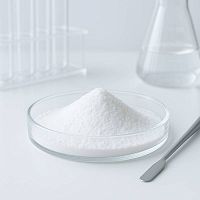
This section brings together preservative ingredients used to protect water based cosmetic formulations from bacteria mold and yeast over their shelf life. You will find a range of preservative systems suited to different pH levels textures and finished product types, from lightweight serums to thick emulsions and rinse off products.
Preservatives from this range are added at the final cooling stage of a formulation and work alongside emulsifiers and active ingredients rather than replacing them. Formulators combine them with functional components to build stable creams lotions and gels, since texture and microbial protection need to be addressed together in any water containing recipe. Selecting the right preservative depends on the finished product pH the packaging used and whether the formula will be exposed to repeated air or water contact during use.
Buyers sourcing across multiple ingredient categories for a single production run often browse the wider cosmetic ingredients wholesale catalog alongside this section to plan a complete formulation from a single order.
Chemical classes and how they differ
Preservatives in this section fall into several chemical families, and the difference matters more than the label suggests. Parabens such as Methylparaben and Propylparaben are widely used esters valued for broad activity against mold and yeast at low use levels, and they are often paired together to cover a wider microbial range than either offers alone.
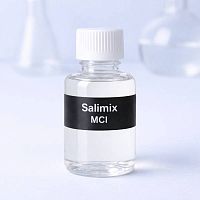
Formaldehyde donors like Bronopol release small amounts of active compound gradually, which makes them effective in water heavy formulas that face repeated contamination risk. Phenolic agents such as Triclosan work differently again, targeting bacterial cell membranes directly rather than relying on slow release, and are typically dosed at very low percentages. Blended systems like Salimix MCI Preservative combine several active molecules into one premix, which simplifies dosing for formulators who want reliable coverage without weighing out multiple raw materials separately.
Choosing a preservative and building the surrounding formula
Selection starts with the finished product itself: a thin toner behaves differently under a preservative system than a thick body butter, and packaging that opens to air repeatedly needs stronger ongoing protection than an airless pump. pH range is the second filter, since several preservative classes lose effectiveness outside their optimal window, so the target pH of the base should be checked before dosing.
None of these ingredients replace good emulsion structure, so many formulators build the fatty phase first with ingredients from bulk waxes, adjust the aqueous phase pH using components from the acids, salts, alcohols, and alkalis range, and only then finalize the preservative dose once the base is stable. Formulas built around hydrosols as a water phase also need particular attention here, since botanical waters can introduce their own microbial load before a preservative is even added.
Origin, packaging, and storage
Raw materials in this category are sourced from established chemical manufacturing regions, including Germany, the United States, and India, reflecting the industrial scale needed to produce consistent preservative grades. Most items are supplied in 20 to 25 kg packaging suited to production runs rather than single small batches.
Storage in a cool, dry place away from direct sunlight preserves activity over time, and containers should stay sealed between uses to avoid moisture uptake, which can affect both stability and accurate dosing in later batches.
FAQ
What is the difference between a preservative and an antioxidant in a cosmetic formula
A preservative controls bacteria mold and yeast growth in water based products, while an antioxidant slows oxidation of oils and fragrances. Many stable formulas use both together, since microbial protection and rancidity prevention address separate problems in a finished cream or serum.
Which preservative works best for a low ph serum
Low ph serums usually need a preservative system tested and effective in acidic conditions, since some broad spectrum options lose efficacy outside their optimal ph window. Check the working ph range of each preservative against your finished formula before adding it at the cooling stage.
Can a preservative be used in an anhydrous or oil only product
Most preservatives in this category are designed for water containing formulas and are not required in truly anhydrous oil based products, where microbial growth is far less likely. Once any water phase or hydrosol is introduced, a suitable preservative becomes necessary.
How should liquid preservative ingredients be stored before use
Keep preservative concentrates tightly sealed, away from direct sunlight and heat, and use them within the timeframe suited to their chemical class. Exposure to air or moisture during storage can gradually reduce their protective activity in a finished batch.
Recommendations
Choose a preservative based on the finished product ph, water content and packaging type rather than by price alone, since a system that performs well in a thick emulsion may underperform in a light toner. Small batch producers and larger manufacturing lines both benefit from checking usage rate and compatibility with existing emulsifiers before committing to a full production run. Reach out by email with your formulation details and we will help match a preservative system to your recipe, order size and expected shelf life.