-
 Absolutes
-
 Active Complexes
-
 Actives & Peptides
-
 Amino Acids & Proteins
-
 Food Flavors
-
 Ayurvedic Ingredients & Herbs
-
 Vitamins & Coenzymes
-
 Chocolate Making Supplies
-
 Thickeners & Gelling Agents
-
 Hydrosols & Floral Waters
-
 Hydrolyzed Proteins
-
 Fragrance Ingredients
-
 Nutraceutical Ingredients
-
 Acids, Salts, Alcohols & Alkalis
-
 Preservatives & Antioxidants
-
 Cosmetic Ingredients
-
 Colorants, Micas & Glitters
-
 Masks, Scrubs & Botanicals
-
 Oils & Butters
-
 Candle Making Supplies
-
 Melt and Pour Soap Bases
-
 Cream, Lotion & Hair Care Bases
-
 Fragrance Oils & Industrial Aromatics
-
 Cleansing Agents & Surfactants
-
 Peeling Actives & Acids
-
 Cosmetic Powders
-
 Solvents & Humectants
-
 Silicones & Conditioning Agents
-
 Bottles, Jars & Vials
-
 Silicone & Plastic Molds, Tools
-
 Botanical Extracts
-
 Cosmetic Emollients
-
 Emulsifiers
-
 Essential Oils
- Anti-Aging & Fine Lines 645
- Hair & Scalp Treatments 420
- Body Contouring & Slimming Actives 95
- Mineral Skincare 60
- Vegan Cosmetic Actives 205
- Hyaluronic Acid (HA) 56
- Skin Lightening & Depigmentation Actives 160
- Skin Barrier & Repair Actives 439
- Lifting Systems 124
- Myorelaxants 48
- Body Shaping Actives 84
- Peptides for Cosmetics 294
- Polynucleotides (PDRN) 97
- Anti Inflammatory And Anti Acne Actives 231
- Moisturizing Actives 512
- Skin Firmness and Tone Actives 329
- Actives For Eye Contour Care 160
- Actives for Sensitive Skin 246
- Exosomes 61
- Cosmetic Actives Wholesale 2834
- Peptides Wholesale 549


Peptides for Cosmetics

 Add to cart


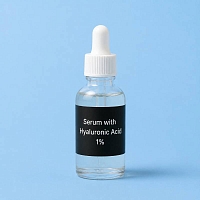
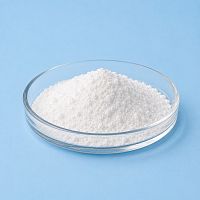
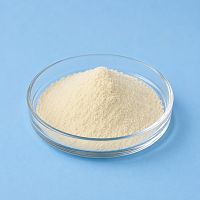
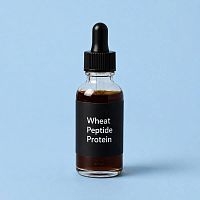
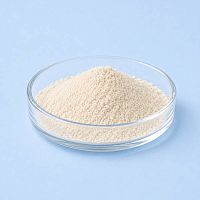

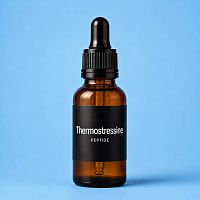
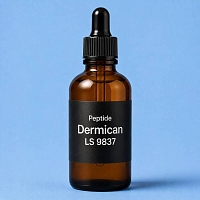
Building actives-based formulas with targeted peptide chemistry
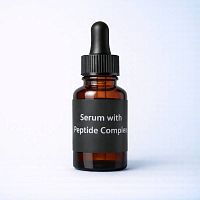
This section brings together peptide ingredients used in cosmetic formulation, including signal peptides, carrier peptides, neurotransmitter-inhibiting peptides and copper peptide complexes. These raw materials are supplied as concentrates or powders for further dilution and blending into finished formulas by cosmetic manufacturers and formulators. Each peptide type is defined by its amino acid sequence, which determines how it behaves once incorporated into a water or emulsion phase.
Formulators work these ingredients into serums, creams, emulsions, gels and other leave-on formats where a targeted active is needed alongside emollients and stabilizers. Peptide chains are typically water-soluble and get dosed at low percentages during the cool-down phase of production, which keeps their structure intact. Buyers exploring this category often also review the broader Cosmetic Actives Wholesale range, since peptides are frequently combined with other active classes within the same rinse-off or leave-on base.
Because peptide stability depends on pH, temperature and the presence of other actives, formulators usually test compatibility in small batches before scaling production. This makes bulk sourcing from a single supplier practical, letting a lab standardize input quality across multiple product lines without switching origins mid-development.
Peptide Classes and How They Differ
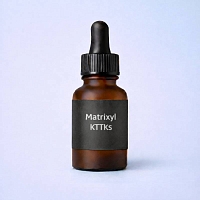
Signal peptides such as those found in Matrixyl synthe 6 5 g work by prompting skin cells to increase collagen and matrix protein output, while carrier peptides like copper-based complexes bind trace minerals and escort them into the skin barrier for enzymatic support. Neurotransmitter-inhibiting chains, the category Argireline NP 2 g and Argireline 5 ml belong to, act on a different mechanism entirely, limiting muscle micro-contractions at the surface level rather than stimulating cell activity from within.
Enzyme-inhibiting and multi-action complexes add further variety. Sepilift, 2 g and Relistase 10 g combine peptide fragments with amino acid derivatives to influence firmness and elasticity through several pathways at once, whereas single-sequence peptides tend to target one specific process. This range in mechanism is why formulators rarely rely on just one peptide type per formula and instead layer several into the same base.
Selecting a Peptide and Building Compatible Blends
Choosing the right peptide starts with the formula's intended function rather than the ingredient name alone. A firming emulsion benefits from signal peptides paired with a carrier complex, while a lightweight gel or serum aimed at smoothing fine lines pairs well with neurotransmitter-inhibiting chains. PROCAPIL 5 ml is often selected for formulas targeting the scalp and hair follicle environment, showing how the same broad peptide category extends beyond facial skincare into hair care formats.
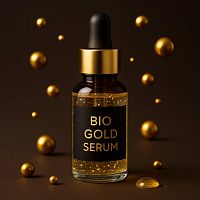
Peptides are rarely dosed alone. Formulators frequently combine them with botanical actives, marine extracts or other functional ingredients within the same base to widen the sensory and performance profile. Snail-active 5 ml and Juvefoxo 5 ml are typical partners in such blends, adding complementary texture and supporting actives without interfering with peptide stability. A finished reference point for this kind of layered formula is the Face Serum with Bio Gold 5 ml, and buyers building similar concentrated products often also browse Anti-Age Actives for adjacent ingredient options, or check Collaxyl 5 ml and Delisens 10 g as further options within the same functional group.
Origin, Packaging and Storage
Peptide raw materials in this range originate from a mix of established production regions, including France, Spain, Germany, Switzerland, the United States, South Korea, China and Ukraine, depending on the specific compound and its manufacturing process. Most are supplied in small-volume vials or sealed powder containers, reflecting the low dosage rates typical of peptide chemistry.
Because peptide structures are sensitive to heat, light and repeated temperature shifts, refrigerated storage away from direct sunlight is standard practice once a container is opened. Keeping original packaging sealed until use and avoiding repeated freeze-thaw cycles helps preserve the amino acid sequence and prevents early degradation before a batch reaches production.
FAQ
What is the difference between signal peptides and carrier peptides in cosmetic formulas
Signal peptides prompt skin cells to behave in specific ways, while carrier peptides transport trace elements such as copper deeper into a formula. Both are dosed at low concentrations and chosen based on the finished product target, whether a serum, cream or gel base.
How should peptide raw materials be stored before use in production
Peptide powders and concentrates should be kept cool, dry and away from direct light to preserve amino acid structure. Once opened, containers should be resealed tightly, since moisture and heat exposure can degrade activity before the material is blended into a batch.
Can peptides be combined with other active ingredients in the same formula
Yes, peptides are frequently blended with other actives such as hyaluronic acid, antioxidants or botanical extracts within the same base. Compatibility depends on the final pH and the phase where each active is added, so small-batch testing is recommended before scaling production.
At what stage of production should peptides be added to a formula
Most peptide chains are water-soluble and heat-sensitive, so they are added during the cool-down phase after the main emulsion has formed. This protects the amino acid sequence from thermal breakdown and keeps the ingredient functioning as intended in the finished product.
What cosmetic formats commonly use peptide complexes
Peptide complexes are formulated into serums, creams, emulsions, gels and other leave-on products where a targeted active is layered alongside emollients and stabilizers. The exact format depends on the peptide type and the concentration required for the intended formula.
Recommendations
When choosing a peptide raw material, match the amino acid sequence and delivery form (powder or concentrate) to your finished product format and the phase where it will be added. Consider batch size, required dosage and how the peptide will interact with other actives already in your formula before committing to a larger order. Since formulators often test small quantities first, it is worth requesting details on concentration and solubility for a specific batch. Reach out by email to discuss quantities, packaging options and current availability for your production needs.