-
 Absolutes
-
 Active Complexes
-
 Actives & Peptides
-
 Amino Acids & Proteins
-
 Food Flavors
-
 Ayurvedic Ingredients & Herbs
-
 Vitamins & Coenzymes
-
 Chocolate Making Supplies
-
 Thickeners & Gelling Agents
-
 Hydrosols & Floral Waters
-
 Hydrolyzed Proteins
-
 Fragrance Ingredients
-
 Nutraceutical Ingredients
-
 Acids, Salts, Alcohols & Alkalis
-
 Preservatives & Antioxidants
-
 Cosmetic Ingredients
-
 Colorants, Micas & Glitters
-
 Masks, Scrubs & Botanicals
-
 Oils & Butters
-
 Candle Making Supplies
-
 Melt and Pour Soap Bases
-
 Cream, Lotion & Hair Care Bases
-
 Fragrance Oils & Industrial Aromatics
-
 Cleansing Agents & Surfactants
-
 Peeling Actives & Acids
-
 Cosmetic Powders
-
 Solvents & Humectants
-
 Silicones & Conditioning Agents
-
 Bottles, Jars & Vials
-
 Silicone & Plastic Molds, Tools
-
 Botanical Extracts
-
 Cosmetic Emollients
-
 Emulsifiers
-
 Essential Oils
- Alginate Face Masks 115
- Bath Beads and Pearls 75
- Waxes for cosmetics 69
- Cosmetic Clay 45
- Face and Body Masks 89
- Scrubs for Cosmetic Production 113
- Bath Salts 48
- Natural dried flowers 37
- Alginate Masks Wholesale 176
- Clays for Cosmetics Wholesale 35
- Additives for Cosmetics Wholesale 327
- Face and Body Masks Wholesale 175
- Scrub Ingredients Wholesale 121
- Bath Salt Wholesale 57
- Cosmetic Clays Wholesale 4


Clays for Cosmetics Wholesale
 Add to cart

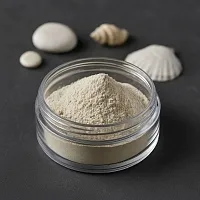
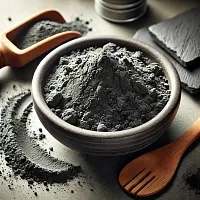
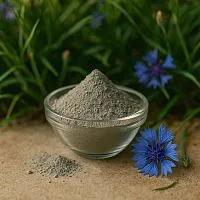
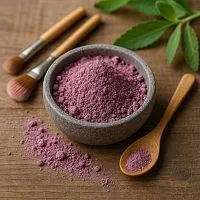

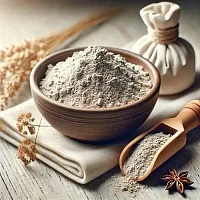
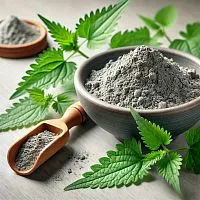

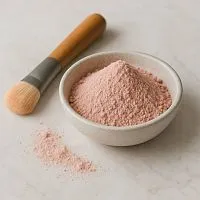
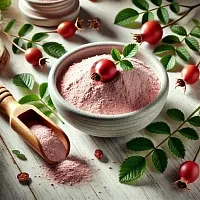
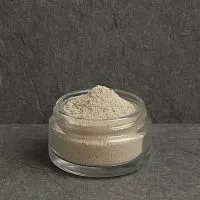
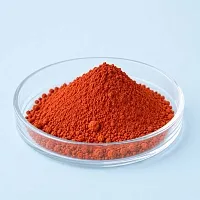
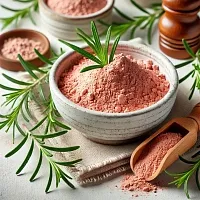
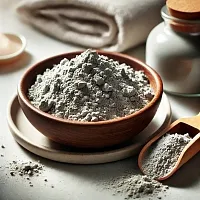
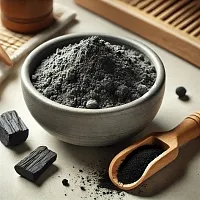
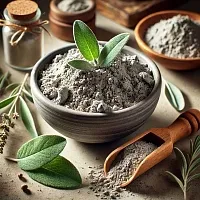
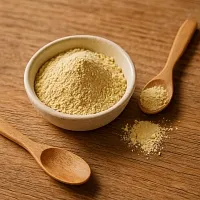
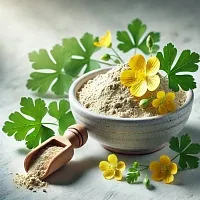
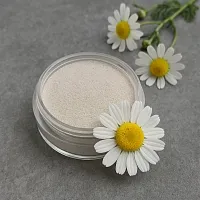
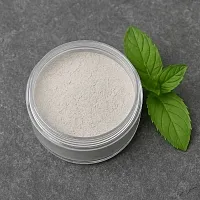
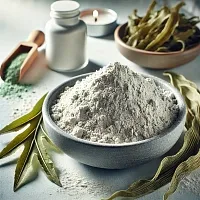
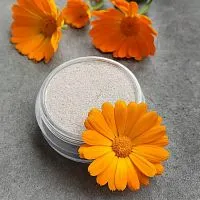
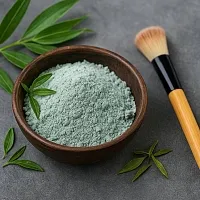
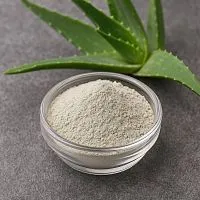
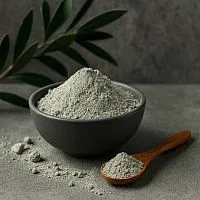
Mineral powders for masks, scrubs and skin care blends
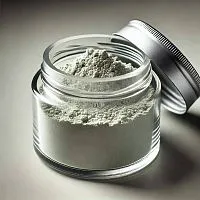
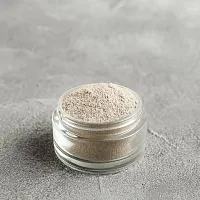
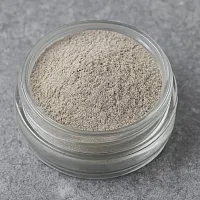
This section brings together mineral clay powders used as a base or active component in cosmetic formulations. Each type differs by mineral composition, particle fineness and absorbency, which determines how it behaves once mixed with water, oils or other liquid phases in a recipe. Formulators choose between them depending on skin type, texture goals and the finished product they are building.
Clay powders are most often blended into facial and body masks, where they help bind other ingredients and create a spreadable, stable texture. The same powders also work well in physical scrub bases, detox-style body treatments and mattifying cream formulas that need extra structure and absorbency. Some producers combine clay with dried botanicals from natural dried flowers for visual texture, or with functional powders from the additives for cosmetics wholesale range to fine tune consistency and performance.
Because clay is a raw mineral ingredient rather than a finished product, the same jar can serve dozens of different formulas, from a light facial mask to a firmer molded scrub bar, depending on ratio and processing method chosen by the formulator.
Varieties and how they differ
Clay powders vary mainly by mineral origin, added botanical extracts and particle behavior once hydrated. A blend like Blue clay with Calendula 1 kg pairs the base mineral with a soothing plant extract, while Blue Clay with Green Tea 1 kg and Blue Clay with Laminaria 1 kg add antioxidant or marine components that shift both scent and finished texture. Formulas built around Blue clay with Mint 1 kg or Blue clay with Chamomile 1 kg lean toward calming or refreshing sensory profiles depending on the plant addition.
Beyond blended blue clays, the range also includes denser options such as Clay Sea Thick 1 kg, valued for its higher viscosity and firmer set once mixed with liquids, and Diatomaceous Earth 1 kg, a fine fossilized silica powder with a distinctly different absorbency profile and a much finer, almost powdery grind compared with standard clays. These differences in density, particle size and water uptake directly affect drying time, cracking behavior and how much liquid a formulator needs to reach a workable paste.
How to choose and what to combine it with
Selecting the right powder starts with the finished texture in mind rather than a single end use. A lighter, finer clay suits a facial mask meant to spread thinly and rinse off easily, while a thicker mineral like Clay Sea Thick or diatomaceous earth suits firmer, molded formats that need to hold shape once dried. Absorbency also matters for oily or combination skin formulas, where a higher mineral binding capacity helps control excess sebum without over drying the finished product.
In practice, these powders are combined with oils, hydrosols and other functional powders to fine tune spreadability and drying speed. Many formulators layer in botanical texture from natural dried flowers for visual and sensory interest, or adjust consistency using ingredients from the additives for cosmetics wholesale range. Waxes are another common pairing when a firmer, non powder based structure is needed alongside a mineral component, which is covered separately under Waxes for cosmetics.
Origin and storage
Depending on the specific powder, sourcing spans Ukraine, India, France and the United States, giving formulators a choice between locally sourced mineral clays and imported specialty powders with distinct particle profiles. All clay and mineral powders in this section should be kept dry, tightly sealed and away from direct moisture, since even small amounts of humidity can cause caking and reduce shelf stability. Stored correctly in a cool, dry space, these powders retain their absorbency and fine texture over long periods, making bulk purchasing practical for regular production runs.
FAQ
What is the difference between clay powder types used in cosmetic formulas
Clay powders differ by mineral origin, particle size and oil or water absorbency. Finer particles suit lightweight facial masks, while coarser grades add structure to scrub bases and firmer molded formats, so the choice depends on the texture and function you need in the final blend.
How much clay powder should be added to a mask or scrub base
The ratio depends on the desired texture and the other phases in the recipe, since clay absorbs liquid and thickens a blend quickly. Formulators typically test small batches first, adjusting the amount gradually until the paste holds shape without becoming too dry or crumbly.
How should mineral clay powder be stored before use
Clay powder should be kept in a sealed, dry container away from direct moisture and sunlight, since it readily absorbs humidity from the air. Proper sealing keeps the texture consistent batch to batch and prevents clumping before it goes into a formulation.
Can different clay powders be mixed together in one formula
Yes, combining clay types is common practice to balance absorbency, color and texture in a single recipe. Many formulators blend two or more powders alongside botanical additives to fine tune consistency, spreadability and the finished look of a mask or scrub.
Recommendations
When choosing a clay powder, match the grade to your formula rather than picking by name alone. Consider how much oil or water your recipe already contains, since absorbency varies between mineral types and affects the final texture. For larger production runs, request a small sample first to confirm consistency across a full batch. Our team is available by email to help match a grade to your specific formulation needs.


