-
 Absolutes
-
 Active Complexes
-
 Actives & Peptides
-
 Amino Acids & Proteins
-
 Food Flavors
-
 Ayurvedic Ingredients & Herbs
-
 Vitamins & Coenzymes
-
 Chocolate Making Supplies
-
 Thickeners & Gelling Agents
-
 Hydrosols & Floral Waters
-
 Hydrolyzed Proteins
-
 Fragrance Ingredients
-
 Nutraceutical Ingredients
-
 Acids, Salts, Alcohols & Alkalis
-
 Preservatives & Antioxidants
-
 Cosmetic Ingredients
-
 Colorants, Micas & Glitters
-
 Masks, Scrubs & Botanicals
-
 Oils & Butters
-
 Candle Making Supplies
-
 Melt and Pour Soap Bases
-
 Cream, Lotion & Hair Care Bases
-
 Fragrance Oils & Industrial Aromatics
-
 Cleansing Agents & Surfactants
-
 Peeling Actives & Acids
-
 Cosmetic Powders
-
 Solvents & Humectants
-
 Silicones & Conditioning Agents
-
 Bottles, Jars & Vials
-
 Silicone & Plastic Molds, Tools
-
 Botanical Extracts
-
 Cosmetic Emollients
-
 Emulsifiers
-
 Essential Oils
- Silicone geometric molds 11
- Wooden molds for soap 9
- Fondant Tools 9
- Compound for molds 35
- Metal baking molds 27
- World of Forms 286
- Silicone Molds 72
- Plastic chocolate molds 128
- Plungers and Cutters 40
- Silicone Portion Molds 20
- Silicone 3D Molds 712
- Silicone Baking Molds 36
- Silicone soap loaf molds 6
- Bath bomb molds 13
- Candy Molds 118
- Plastic soap molds 274
- Candle Molds 51
- Silicone 3D Luxury Molds 711
- Silicone forms 241
- Silicone mold trays for baking 218
- Soap stamps 38
- Plastic soap molds wholesale 9
- Paper baking molds 22
- Cookie cutters and gingerbread molds 61
- Mousse cake and dessert molds 8
- Cheese molds 5


Candle Molds

 Add to cart


 Subscribe


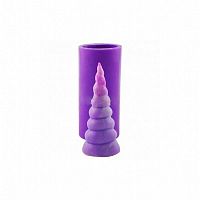


Silicone and plastic shapes for pillar container and figured candles
This section brings together molds used to shape candles from poured wax, including silicone forms for figured and detailed designs and rigid plastic molds for pillars and simple geometric shapes. Sizes range from small test pieces to larger production formats, covering makers working from a home studio through to workshops running repeat batches.
These molds support wax pouring for pillar candles, container fillers, tealights and shaped decorative pieces, and the same tools often double for other poured crafts such as soap bars, layered gypsum or plaster items, and even chocolate or ice shapes when the material and temperature allow it. Buyers who also work with cold process bars can compare shapes in plastic soap molds, while those adding fizzing bath products often pair candle work with bath bomb molds from the same tooling range.
Silicone versus rigid plastic
Within this group the main split is between flexible silicone forms and rigid plastic shells. Silicone stretches slightly during unmolding, which makes it the better pick for undercut details, textured surfaces and figured pieces such as the Silicone form Elephant 3D Lux or the Silicone Teddy Form with 3D Lux Toe. A softer variation on the same idea is the Silicone Teddy Shape with Snowball 3D Lux, where fine snow texture would tear a rigid mold on release.
Rigid plastic, on the other hand, holds a crisp straight edge and a flat base far better than silicone, which is why it remains the standard choice for pillar columns and clean geometric blocks poured in volume. Multi-part designs sit between the two categories: shapes like the Silicone mold 3D Angel with a bear No. 2, on the grooves use aligned grooves so a two-piece figured cast comes out seamless, and the same grooved logic appears in bottle-style pieces such as the Shape Bottle of Gin Beefeater 3D. For softer scenes with rounded, low-relief detail, a piece like the Silicone mold 3D Kid on a flower shows how silicone handles gentle curves without losing sharpness at the edges.
Choosing a shape and pairing it with the right pour
Selection usually starts with the finished form rather than the material: a straight pillar or a block candle calls for a rigid plastic mold, while anything figured, layered or textured points toward silicone. Wall thickness and detail depth also matter, since deep undercuts need a mold that flexes enough to release without cracking the cast. The same tooling logic applies well beyond wax. Buyers layering plaster or gypsum pieces, pouring chocolate shapes, setting ice for display, or working cold process bars often reach for the exact same forms, and it is worth checking Silicone forms for the full range before settling on one shape. Finished pours are often paired with a proper container, and a piece such as the Jar with lid for candles 120 ml covers that step once a poured piece needs a lid rather than a freestanding mold.
Origin and care
Molds in this range come from suppliers in China and Poland, with the country tied to the specific material and finish of each piece. Silicone forms should be washed and fully dried before storage to avoid trapped moisture in fine details, while rigid plastic molds keep their shape best when stacked flat and kept away from direct heat that could cause warping over time.
FAQ
What is the difference between silicone and rigid plastic candle molds
Silicone flexes slightly during unmolding, which suits textured or undercut shapes, while rigid plastic holds crisp edges on pillars and geometric forms but needs a simple release shape without deep undercuts. Both handle repeated pours across a working batch.
Can the same mold be used for candles and other poured items
Yes, many silicone and plastic forms in this range are shared across poured crafts. Alongside wax, makers use comparable shapes for soap bars, layered plaster pieces, and occasionally chocolate or ice, provided pouring temperature stays within the mold material limits.
What size range is available for pillar and container molds
Sizes span small test formats suited to sampling a new wax blend up to larger production shapes for repeat workshop batches. This lets a single order cover both trial pours and standing orders once a design is finalized.
How should silicone and plastic molds be stored between pours
Keep molds clean, dry, and away from direct heat or sharp tools that could nick the surface. Stacking flat rather than folding silicone forms helps them keep their shape and extends how many pours they can handle.
Recommendations
Match the mold material to the design first: choose silicone for figured or textured pillars with undercuts, and rigid plastic for clean geometric or container shapes poured in volume. Check the stated size and wall thickness against your typical batch, since a shape built for occasional home pours differs from one meant for repeat workshop runs. If you are unsure which format fits a new wax blend, send us the details by email and we can help narrow down the right option.