-
 Absolutes
-
 Active Complexes
-
 Actives & Peptides
-
 Amino Acids & Proteins
-
 Food Flavors
-
 Ayurvedic Ingredients & Herbs
-
 Vitamins & Coenzymes
-
 Chocolate Making Supplies
-
 Thickeners & Gelling Agents
-
 Hydrosols & Floral Waters
-
 Hydrolyzed Proteins
-
 Fragrance Ingredients
-
 Nutraceutical Ingredients
-
 Acids, Salts, Alcohols & Alkalis
-
 Preservatives & Antioxidants
-
 Cosmetic Ingredients
-
 Colorants, Micas & Glitters
-
 Masks, Scrubs & Botanicals
-
 Oils & Butters
-
 Candle Making Supplies
-
 Melt and Pour Soap Bases
-
 Cream, Lotion & Hair Care Bases
-
 Fragrance Oils & Industrial Aromatics
-
 Cleansing Agents & Surfactants
-
 Peeling Actives & Acids
-
 Cosmetic Powders
-
 Solvents & Humectants
-
 Silicones & Conditioning Agents
-
 Bottles, Jars & Vials
-
 Silicone & Plastic Molds, Tools
-
 Botanical Extracts
-
 Cosmetic Emollients
-
 Emulsifiers
-
 Essential Oils
- Absolutes Wholesale 87
- Active Complexes for Cosmetics Wholesale 411
- Amino Acids & Proteins Wholesale 92
- Antioxidants Wholesale 303
- Ayurvedic Powders Wholesale 273
- Biocides Wholesale 16
- Thickeners and Gelling Agents in Bulk 116
- Bulk Hydrosols for Cosmetics 10
- Hydrocolloids in Bulk 5
- Hydrolyzed Proteins Wholesale 75
- Aromatic Fragrant Waters Wholesale 27
- Fragrance Ingredients Bulk 168
- Preservatives & Antioxidants Wholesale 161
- Corneotherapy Wholesale 10
- Cosmetic Clay Wholesale 14
- Neutralizers/pH Correctors Wholesale 17
- Surfactants Wholesale 145
- Cosmetic Peelings Wholesale 77
- Cosmetic Powders Wholesale 403
- Silicones and Conditioning Surfactants for Hair Wholesale 124
- Resins and Resinoids Wholesale 17
- UV and SPF Filters Wholesale 100
- Cosmetic Emollients Wholesale 144
- Emulsifiers Wholesale 335
- Enzymes, Filtrates and Lysates in Bulk 35
Enzymes, Filtrates and Lysates in Bulk

 Add to cart


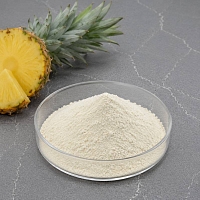
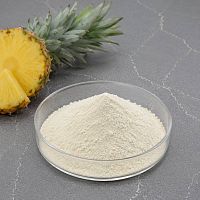
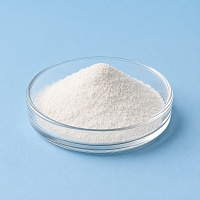


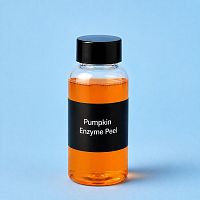
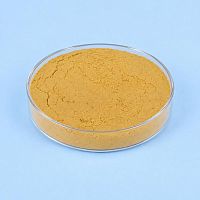
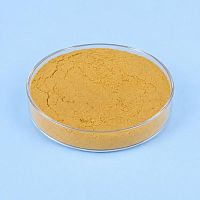
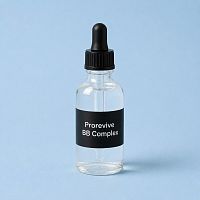
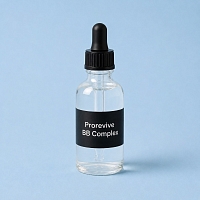
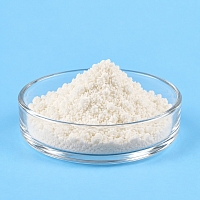
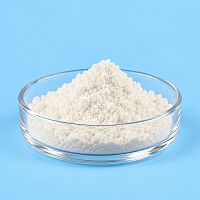


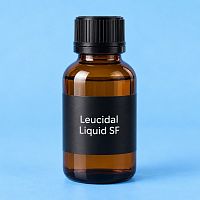
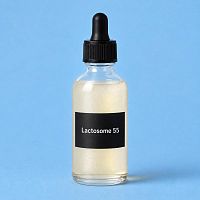
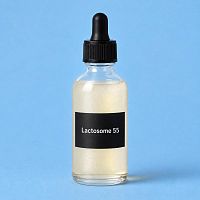


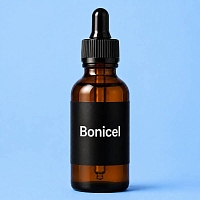
Range of enzymes, filtrates and lysates available
The section gathers bioactive ingredients obtained through fermentation, extraction or cell lysis from plant, microbial or animal sources. It includes proteolytic and antioxidant enzymes, aqueous and oily filtrates, and lysates rich in peptides and amino acids. These materials suit serums, creams, emulsions, tonics and masks, where they contribute targeted functional properties depending on origin and processing method. The assortment covers options for formulations of varying complexity, from simple aqueous solutions to multi-component emulsions used in both small-scale and industrial settings.
Packaging formats for different scales
Items come in laboratory and production sizes, supporting both small-batch and industrial needs. Selection considers solubility and compatibility with other formula components such as emulsifiers, as well as the introduction phase to preserve activity. Wholesale buyers can choose appropriate volumes for consistent batch production. For test formulations, you can buy enzymes, filtrates, and lysates at retail in small packs.
How enzymes differ from filtrates and lysates
Enzymes function as catalysts that promote specific reactions within a mixture and support processes during preparation. Filtrates like ACB Olive Leaf Extract PF are obtained by extraction and valued for polyphenol content in 100 ml and 1 L formats. Lysates result from cell disruption, releasing low-molecular-weight peptides readily accepted by skin. Examples include Bonicel and Celldetox in 100 ml and 1 L sizes, each offering a distinct activity profile.
Selecting the right material for a formula
Choice depends on the target function of the finished product and base type. Superoxide Dismutase Powder SOD is typically added in small amounts during the cool-down phase. For texture-focused work, Celldetox variants are common. Compatibility is verified alongside Cosmetic Ingredients Wholesale and pH correctors.
Production use and bulk supply
Active components are introduced at the final stage at reduced temperature to maximize retention of bioactive molecules. Large-volume packs support consistent batch production and come with supporting documentation. Materials are often paired with Neutralizers/pH Correctors Wholesale for formula optimization.
Storage recommendations
Store in sealed containers away from light and at stable temperatures to maintain enzyme activity and bioactive integrity. Bromelain, 100 gr and Lactosome 55, 100 ml illustrate typical storage needs and fit regular supply to manufacturing.
FAQ
When should enzymes be added during manufacturing?
Enzymes are usually incorporated after emulsification during the cool-down phase to preserve activity and prevent inactivation from heat exposure.
What dosage range applies to lysates in emulsions?
Typical usage levels depend on the specific ingredient and commonly fall between 1 and 5 percent of total formula weight, after compatibility checks.
Are filtrates compatible with oil-based systems?
Aqueous filtrates perform best in water and emulsion systems, while oily extracts integrate with lipid phases without loss of effectiveness.
Are additional stabilizers required?
Antioxidants and pH control are recommended for extended shelf stability of the active components in the final product.



