
-
 Absolutes
-
 Active Complexes
-
 Actives & Peptides
-
 Amino Acids & Proteins
-
 Food Flavors
-
 Ayurvedic Ingredients & Herbs
-
 Vitamins & Coenzymes
-
 Chocolate Making Supplies
-
 Thickeners & Gelling Agents
-
 Hydrosols & Floral Waters
-
 Hydrolyzed Proteins
-
 Fragrance Ingredients
-
 Nutraceutical Ingredients
-
 Acids, Salts, Alcohols & Alkalis
-
 Preservatives & Antioxidants
-
 Cosmetic Ingredients
-
 Colorants, Micas & Glitters
-
 Masks, Scrubs & Botanicals
-
 Oils & Butters
-
 Candle Making Supplies
-
 Melt and Pour Soap Bases
-
 Cream, Lotion & Hair Care Bases
-
 Fragrance Oils & Industrial Aromatics
-
 Cleansing Agents & Surfactants
-
 Peeling Actives & Acids
-
 Cosmetic Powders
-
 Solvents & Humectants
-
 Silicones & Conditioning Agents
-
 Bottles, Jars & Vials
-
 Silicone & Plastic Molds, Tools
-
 Botanical Extracts
-
 Cosmetic Emollients
-
 Emulsifiers
-
 Essential Oils
- Fragrance Oils from England 8
- Fragrance Oils Germany 17
- Fragrance Oils for Creams and Lotions 13
- Fragrance Oils Spain 67
- Lori Fragrance Oils (Latvia) 81
- Polish Fragrance Oils 3
- Fragrance Oil US 365
- Ukrainian Fragrance Oils 344
- French Fragrance Oils 170
- Water Soluble Fragrances 30
- Hypoallergenic fragrances 12
- Home Fragrance Collection 4
- Polymer Granules for Sachets 17
- Lipstick Flavors Oils 21
- Toothpaste fragrances 1
- Cold & Hot Process Soap Fragrance Oils 45
- Laundry detergent fragrance oils 16
- Japanese Fragrance Oils 30
- Perfume compositions 957
- Perfume Fragrance Oils 957
- Fragrance Oils Wholesale 4338
Hypoallergenic fragrances
 Add to cart
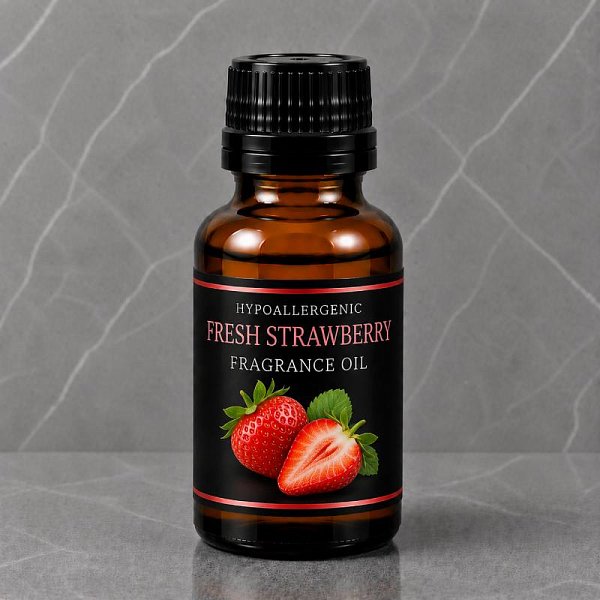
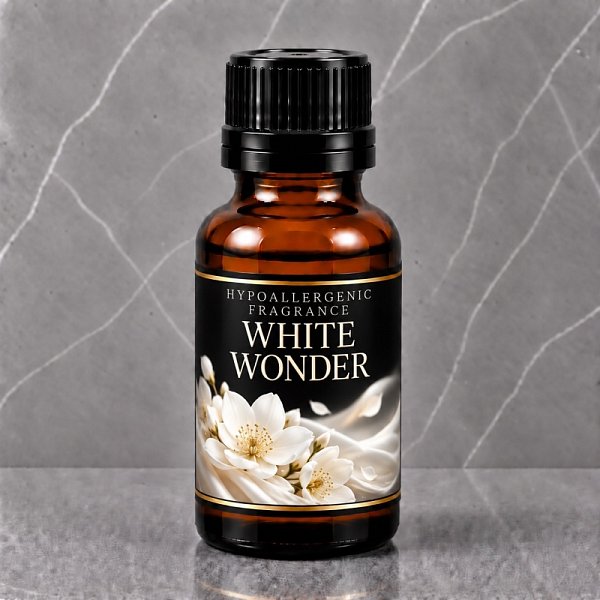
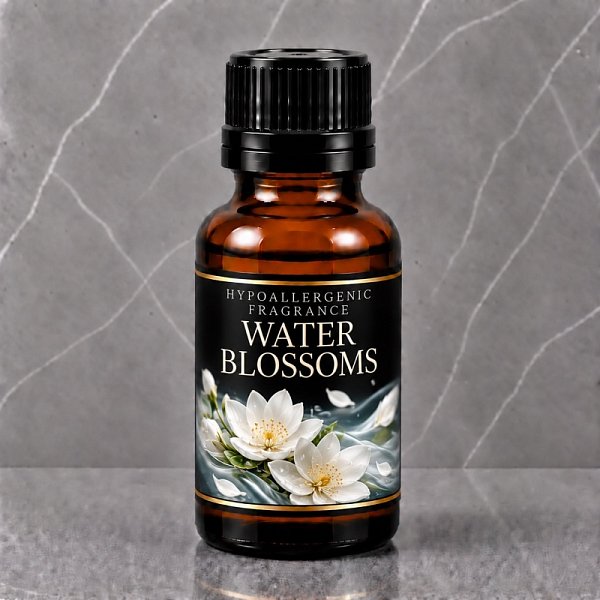
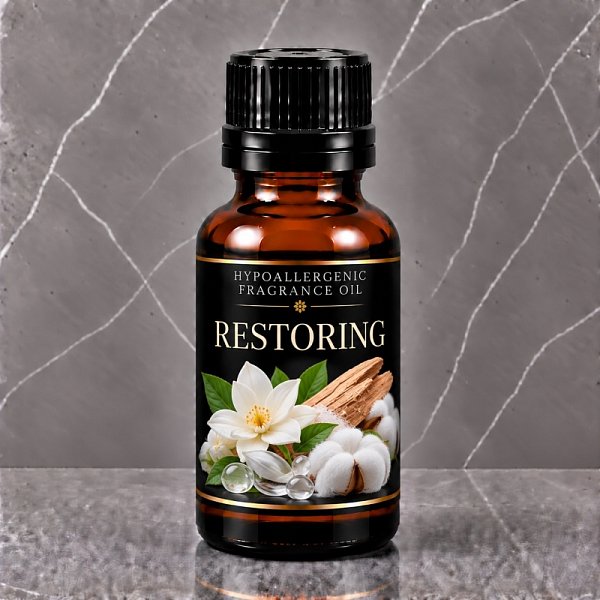
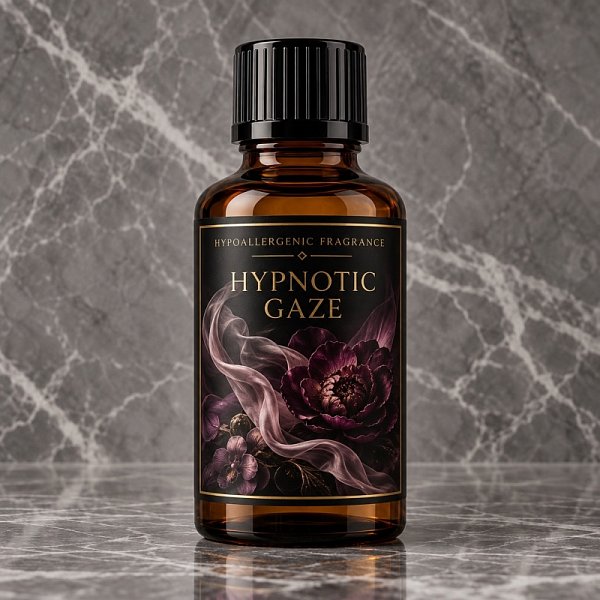
Low-irritation scent compositions for sensitive skin formulas
Hypoallergenic fragrances are scent compositions formulated with a reduced or excluded set of common skin allergens, such as limited essential oil fractions, restricted allergens under EU regulation, and simplified aromatic profiles. This section offers concentrated fragrance blends intended for formulators who need pleasant scent without the irritation risk carried by many standard perfume compositions. Each option is dosed at low percentages within a finished cosmetic base.
These fragrances are used across a wide range of cosmetic production, including face and body creams, lotions, shampoos, conditioners, shower gels, deodorants, and baby care lines where skin sensitivity is a primary concern. Formulators working with sensitive skin ranges, dermo-cosmetic lines, or children's products often start their scent selection here before moving to broader aromatic profiles. For a wider palette of scent options once a base formulation is finalized, producers frequently browse Ukrainian Fragrance Oils or compare volume pricing through Fragrance Oils Wholesale for larger production runs. For production volumes, it is easier to order from wholesale hypoallergenic fragrance oils.
Fruit, floral and comfort scent profiles
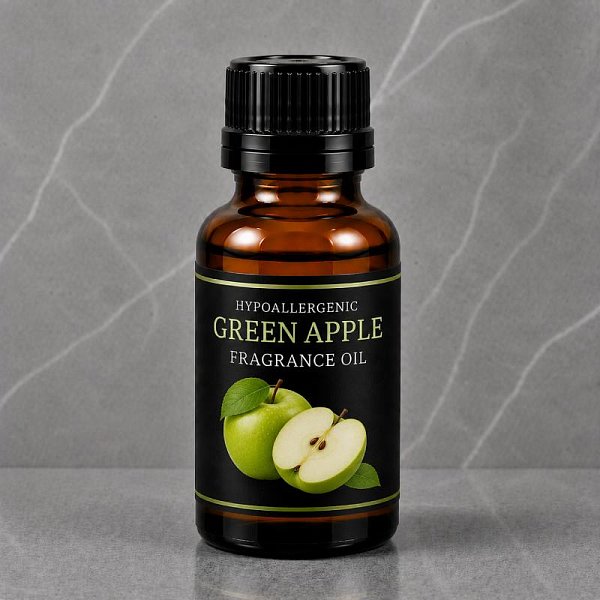
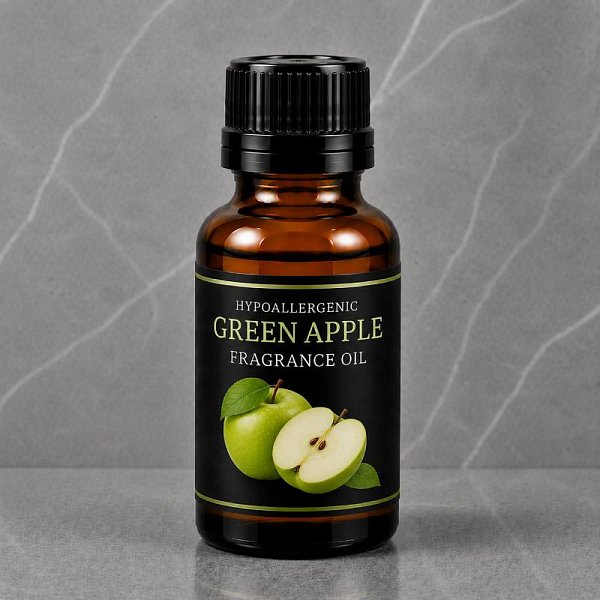
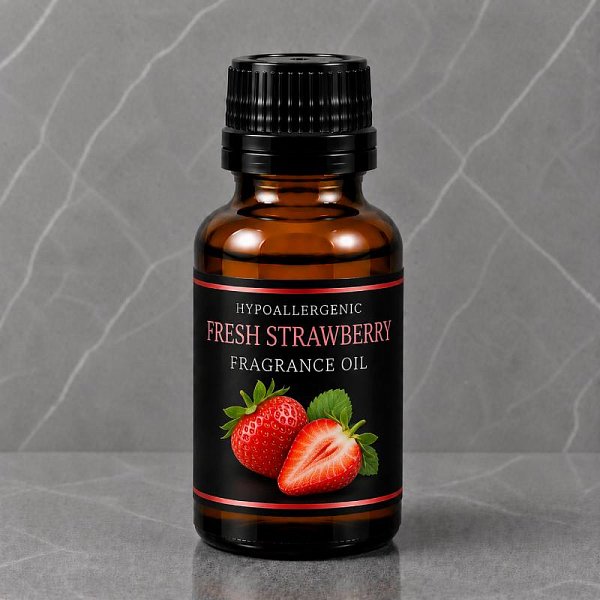
Within this section, hypoallergenic fragrance oils generally fall into a few recognisable profiles: fruity notes, gourmand and comfort accords, and soft floral or powdery blends. A fruity option such as Hypoallergenic Fragrance Oil Apple Green, 5 ml reads crisp and green, while Hypoallergenic Fragrance Oil Fresh strawberries, 5 ml gives a rounder, sweeter berry character. Both are also available as Apple Green in 25 ml and Fresh strawberries in 25 ml for larger batches.
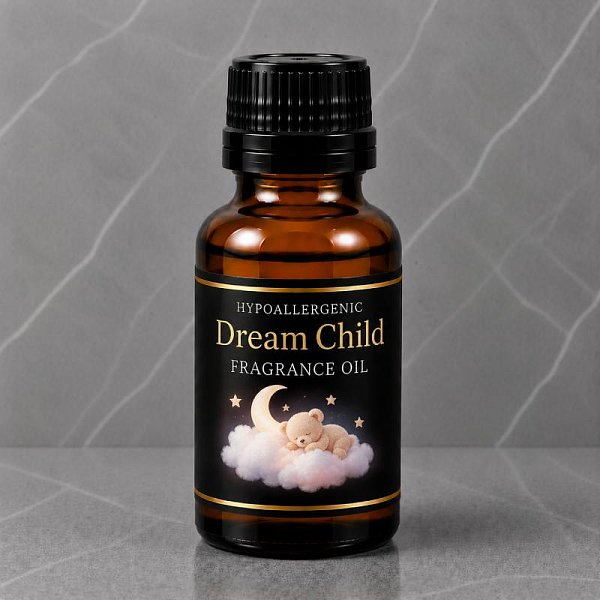
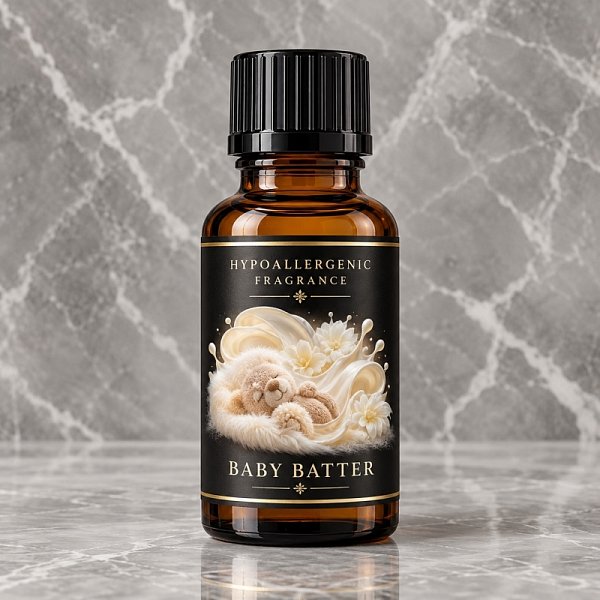
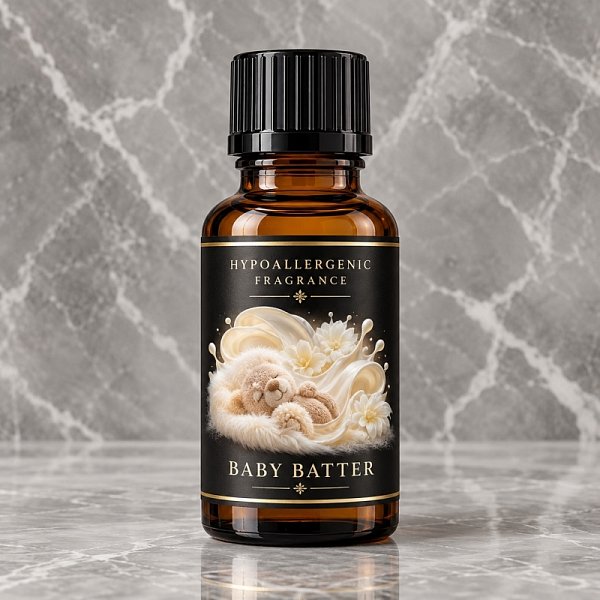
Softer, powdery accords are represented by options like Baby Batter hypoallergenic Fragrance Oil, 5 ml, also offered as Baby Batter Hypoallergenic Fragrance Oil, 25 ml, and a warmer, dreamy blend such as Hypoallergenic Fragrance Oil Dream Child, 100 ml, which comes in a larger volume suited to bigger production runs.
Choosing a scent and building a formula around it
Selection usually starts with the finished product type rather than the scent itself. A lightweight lotion or shampoo base can typically carry a fruitier or brighter profile without conflicting with other actives, while a rich cream or balm often calls for a softer, less sharp accord that will not compete with emollients and butters already present in the formula.
Dosage is the second consideration. Because these are low-irritation compositions, they are still meant to be used at conservative percentages, and formulators usually test a small batch first to confirm the scent holds up after emulsification, heating, or contact with surfactants. Compatibility with preservative systems and pH should also be checked before scaling up a formula, since some fragrance components can shift stability at extreme pH ranges.
For formulators developing a full sensitive skin or baby care line, it often makes sense to standardize on a small set of hypoallergenic scents across several products, such as a lotion, wash, and cream, so the finished range feels cohesive rather than mismatched.
Origin and storage
Fragrance compositions in this catalog are sourced from Germany and Ukraine, giving formulators a mix of imported aromatic blends and locally produced options. Bottles should be kept tightly closed, away from direct light and heat, since fragrance oils can drift in character or lose top notes if stored near a heat source or left open for extended periods.
Once a base scent direction is chosen here, many producers expand into a broader palette through the French Fragrance Oils section for more elaborate accords, particularly for product lines that do not require a strictly hypoallergenic profile.
FAQ
What makes a fragrance suitable for sensitive skin formulas
These compositions are built with a reduced set of common skin allergens, limited essential oil fractions, and simplified aromatic profiles. They are dosed at low percentages so the finished cream, lotion or shampoo carries pleasant scent without the irritation risk found in many standard perfume blends used at higher concentration.
How much low-irritation fragrance should be used in a cosmetic base
Usage rates depend on the product type and the specific composition, but low-irritation fragrances are generally formulated for dosing at low percentages within the finished base. Always start with a small test batch in your actual cream, lotion or gel base before scaling to a full production run.
Can these fragrances be used in baby and children's care products
Yes, this is one of their common applications. Because the aromatic profile is simplified and known allergen fractions are limited or excluded, formulators developing baby lotions, children's shampoos and other sensitive-skin lines often select from this group before considering broader perfume compositions.
How should hypoallergenic fragrance oils be stored before use
Store fragrance concentrates in tightly closed original containers, away from direct light and heat, at stable room temperature. Proper storage preserves the aromatic profile and prevents oxidation of the composition, so the scent performs consistently when dosed into a cream, gel or shampoo base.
Recommendations
When choosing a low-irritation fragrance, match the scent family to your finished product type and confirm the recommended dosing range for your specific base before committing to a full batch. Test a small trial run in your actual cream, lotion or shampoo formula first, since performance can vary between bases. For guidance on selecting the right composition or ordering a sample quantity for your production, reach out by email and our team will help you find a suitable match.



