-
 Absolutes
-
 Active Complexes
-
 Actives & Peptides
-
 Amino Acids & Proteins
-
 Food Flavors
-
 Ayurvedic Ingredients & Herbs
-
 Vitamins & Coenzymes
-
 Chocolate Making Supplies
-
 Thickeners & Gelling Agents
-
 Hydrosols & Floral Waters
-
 Hydrolyzed Proteins
-
 Fragrance Ingredients
-
 Nutraceutical Ingredients
-
 Acids, Salts, Alcohols & Alkalis
-
 Preservatives & Antioxidants
-
 Cosmetic Ingredients
-
 Colorants, Micas & Glitters
-
 Masks, Scrubs & Botanicals
-
 Oils & Butters
-
 Candle Making Supplies
-
 Melt and Pour Soap Bases
-
 Cream, Lotion & Hair Care Bases
-
 Fragrance Oils & Industrial Aromatics
-
 Cleansing Agents & Surfactants
-
 Peeling Actives & Acids
-
 Cosmetic Powders
-
 Solvents & Humectants
-
 Silicones & Conditioning Agents
-
 Bottles, Jars & Vials
-
 Silicone & Plastic Molds, Tools
-
 Botanical Extracts
-
 Cosmetic Emollients
-
 Emulsifiers
-
 Essential Oils
- Gel Food Coloring Wholesale 39
- Cosmetic Pigments Wholesale 17
- Lipstick Pigments Wholesale 40
- Chocolate Colorants Wholesale 10
- Liquid Migrating Dyes Wholesale 24
- Oil Soluble Liquid Dyes Wholesale 17
- Liquid Ultra Pigments Wholesale 11
- Food Coloring Powders Wholesale 20
- Phosphors and Luminescent Powders Wholesale 21
- Natural colorants Wholesale 39
- Liquid Pearl Pigmen Wholesale 13
- Pearlescent Pigments Wholesale 222
- Liquid Pigments Wholesale 37
- Wholesale synthetic dyes 9
- Blended colorants Wholesale 33
- Oil Soluble Dye Powders Wholesale 11
- Pigment Powders Wholesale 16
- Fluorescent Neon Pigments Wholesale 55


Natural colorants Wholesale

 Add to cart


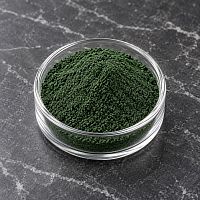


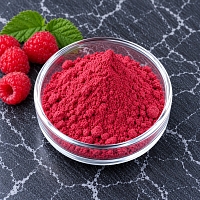
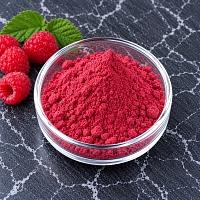

Plant-derived pigments for skin and hair care
This section brings together colorants sourced from plants, minerals, clays and fruit extracts, supplied as fine powders or ready dispersions for cosmetic manufacturing. Formulators use them to bring color into creams, lotions, balms, lip products and other rinse-off or leave-on formulas without relying on synthetic dyes.
Depending on the base and processing method, these pigments perform differently across emulsions, anhydrous balms and powder cosmetics, so batch testing for shade consistency and pH stability is common practice. Manufacturers working with tinted skincare or color cosmetics often pair them with other coloring options, such as liquid pigments for cream-based products or migrating liquid dyes when a translucent, watercolor-like effect is needed.
Types of natural and mineral colorants
Plant and mineral pigments fall into several groups based on their source and how they behave in a formula. Clay-based powders, such as kaolin or rhassoul derivatives, tend to offer soft, muted tones and a matte finish, making them a common choice for powder blushes and cleansing masks. Fruit and root-derived pigments, including beet or annatto extracts, contribute warmer, more vivid shades but can be more sensitive to pH shifts and light exposure.
Mineral oxides and ultramarines sit at the other end of the spectrum, giving flat, consistent color that holds up well in both anhydrous balms and emulsified creams. Because these powders differ so much in particle size and oil affinity, two pigments with a similar visual shade can behave very differently once mixed into a base, which is why small test batches are worth the extra step before scaling up production.
Choosing a pigment and building a coloring system
The right pigment depends on the finished product type rather than the shade alone. Powder cosmetics generally call for dry, finely milled pigments that disperse evenly without clumping, while cream and lotion bases often need pigments pre-wetted or blended with a carrier oil to avoid a gritty texture. For balms, sticks and other anhydrous formulas, oil dispersibility matters more than water solubility.
Many formulators build a layered coloring system rather than relying on one pigment type. Natural powders can be combined with dry pigment powders for deeper opacity, or layered with liquid pearl pigments to add sheen without changing the base hue. Where a translucent or watercolor-like wash is preferred instead of solid coverage, an oil soluble liquid dye can be blended in alongside the base pigment.
Formats, effects and related coloring options
Beyond plant and mineral powders, related product lines widen what a single formula can achieve visually. Concentrated liquid pigments suit manufacturers who need faster dispersion in large production runs, while gel-based colorants work well in products where a softer blend-in is needed. For decorative or specialty finishes, oil soluble dye powders and fluorescent neon pigments extend the palette into brighter or glow-forward directions, and luminescent powders add light-reactive effects for niche decorative formulas.
Storage conditions matter for keeping shade consistency batch to batch. Pigment powders should stay in sealed, moisture-free containers away from direct sunlight, since humidity can cause clumping and prolonged light exposure may dull certain plant-derived shades over time. Keeping raw pigments separate from finished bases until formulation also helps avoid premature oxidation or color drift before the product is even mixed.
FAQ
What is the difference between plant-derived pigments and synthetic colorants in cosmetic formulas
Plant and mineral pigments come from clays, roots, fruit extracts and other natural sources, which often gives softer, more variable tones than synthetic dyes. They tend to be milder on skin and pair well with natural positioning, though shade consistency can vary between batches and suppliers.
Can natural pigments be used in both cream and powder cosmetics
Yes, though performance depends on the carrier. Clay-based powders suit pressed powders and masks well, while finer dispersions blend more evenly into emulsions, balms and lip products. Testing a small batch in your actual base is the best way to confirm dispersion and color payoff.
How should plant and mineral pigments be stored before use
Keep powders sealed, dry and away from direct sunlight and heat, since moisture can cause clumping and light exposure may fade some plant-derived shades over time. A cool, dark storage area helps maintain color strength and consistency across production batches.
Do natural pigments affect the pH stability of a formula
Some clay and fruit-derived pigments are sensitive to pH shifts and may change shade or lose vibrancy in highly acidic or alkaline bases. It is common practice to test color behavior at your target pH before committing to a full production run.
Recommendations
When choosing a natural or mineral pigment, match the source and particle form to your base, powders for pressed cosmetics and masks, finer dispersions for creams and balms. Request a small sample first to check shade payoff and stability in your own formula before ordering a full batch. Reach out by email with your intended application and target shade, and our team will help you find a suitable match from current stock.



