-
 Absolutes
-
 Active Complexes
-
 Actives & Peptides
-
 Amino Acids & Proteins
-
 Food Flavors
-
 Ayurvedic Ingredients & Herbs
-
 Vitamins & Coenzymes
-
 Chocolate Making Supplies
-
 Thickeners & Gelling Agents
-
 Hydrosols & Floral Waters
-
 Hydrolyzed Proteins
-
 Fragrance Ingredients
-
 Nutraceutical Ingredients
-
 Acids, Salts, Alcohols & Alkalis
-
 Preservatives & Antioxidants
-
 Cosmetic Ingredients
-
 Colorants, Micas & Glitters
-
 Masks, Scrubs & Botanicals
-
 Oils & Butters
-
 Candle Making Supplies
-
 Melt and Pour Soap Bases
-
 Cream, Lotion & Hair Care Bases
-
 Fragrance Oils & Industrial Aromatics
-
 Cleansing Agents & Surfactants
-
 Peeling Actives & Acids
-
 Cosmetic Powders
-
 Solvents & Humectants
-
 Silicones & Conditioning Agents
-
 Bottles, Jars & Vials
-
 Silicone & Plastic Molds, Tools
-
 Botanical Extracts
-
 Cosmetic Emollients
-
 Emulsifiers
-
 Essential Oils
- Cosmetic Jars 391
- Bottles for cosmetics, dispensers, sprayers 863
- Laboratory glassware 22
- Measuring laboratory 23
- Plastic Packaging 878
- Plastic containers 19
- Perfume testers 36
- Glass Packaging, Bottles, and Jars 276
- Perfume Packaging 339
- Diffuser Bottles & Sticks 24
- Metal perfume atomizers 10
- Wholesale Jars, Bottles and Packaging Containers 2327
- Plastic Containers Large Wholesale 49


Perfume testers
 Add to cart

 Subscribe


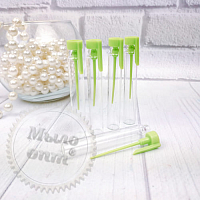

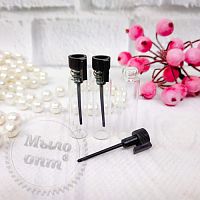


Small vials for presenting scent formulations
This section covers compact sampling vials used to present a fragrance composition before it goes into full production. They let a workshop or brand show how a scent reads on skin or paper without committing a full-size bottle, and they come in the small volumes that sampling actually requires.
These vials work alongside broader packaging containers in a production line, since a finished fragrance usually moves from a sampling vial into a retail bottle once the formula is approved. Some workshops also pair them with cosmetic jars when a scent is meant to complement a matching cream or balm line rather than stand alone.
Beyond fragrance houses, these small containers suit anyone formulating scented cosmetic products who needs to check how an aroma performs over several hours before locking in a final blend for a larger batch.
Vial styles and how they differ
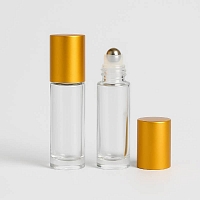
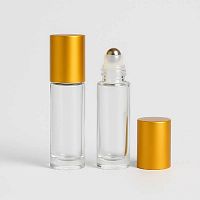
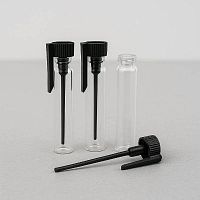
Sampling vials in this section range from simple screw-cap tubes to roll-on and dab-style tops, with capacities usually well under those found in standard Glass Packaging, Bottles, and Jars. A screw-cap vial suits quick evaluation of a raw blend, while a stopper or dropper insert gives more control when a formulator wants to apply a measured drop to a scent strip or the skin.
Material also separates the options. Glass vials resist interaction with concentrated aromatic compounds better than plastic, which matters when a sample needs to sit on a shelf for weeks before a decision is made on the final formula. Some ranges overlap with Plastic containers for workshops that prioritize a lighter, unbreakable option for on-site testing rather than long-term storage.
Choosing a vial and building a testing workflow
The right vial depends on how the sample will be used, not just how much it holds. A dab applicator works well for comparing several variations side by side on skin, while a simple vial with an airtight cap protects a blend that will be mailed to a client or stored between formulation rounds. Volume matters too: a smaller fill reduces waste when a formula is still being adjusted.
These vials are frequently used alongside precise measuring tools, since consistent sampling depends on accurate small-batch dilution. A bench set from Measuring laboratory or general Laboratory glassware helps a formulator keep ratios consistent between one sample and the next, which is essential when a scent will later scale into a full production batch.
From sample to finished packaging
Once a fragrance composition is approved, it typically moves out of the sampling vial and into the container meant for the finished product. Depending on the product line, that can mean Perfume Packaging for a standalone fragrance, or general Plastic Packaging when the scent is part of a broader cosmetic line. Workshops producing in larger volumes sometimes source containers through Plastic Containers Large Wholesale once a formula has been finalized from repeated sampling rounds.
For a finished retail spray, some brands pair the approved scent with Metal perfume atomizers, which give a more durable, refillable option compared to standard glass sprays. Keep any sampling vial capped tightly and stored away from direct heat or light, since aromatic compounds can shift in character if left exposed for extended periods, which would undermine the very comparison the sample was meant to provide.
FAQ
What is the typical capacity of a fragrance sampling vial?
Sampling vials in this section are usually well under the volumes of standard retail bottles, often just a few milliliters. That small size is intentional, letting a workshop evaluate a scent on skin or paper before committing an entire batch to full-size packaging.
What cap or closure style works best for testing a new scent blend?
A screw-cap vial suits fast, repeated dipping when comparing several blends side by side. A dropper or dab-style top gives more control over the amount applied, which helps when checking how a fragrance develops over several hours on the skin.
Can these vials be used for scented creams or balms rather than pure fragrance?
Yes. Many workshops use the same small vials to sample a scent that will later go into a cream, balm, or lotion line, checking how the aroma reads before pairing it with matching jars for the full cosmetic product.
How should sampling vials be stored between evaluations?
Keep them capped tightly, away from direct light and heat, so the fragrance inside does not shift before the comparison is complete. A cool, dark shelf preserves the blend accurately enough for a fair side-by-side read.
Recommendations
When choosing sampling vials, match the closure to how you actually test: screw caps for quick comparisons across several blends, droppers or dab tops when precise, repeated application matters. Check the neck and material compatibility with your fragrance concentration before ordering a full batch. If you are unsure which style suits your workflow, reach out by email with your typical batch size and testing routine, and we will help narrow down the right option for your production line.



