
-
 Absolutes
-
 Active Complexes
-
 Actives & Peptides
-
 Amino Acids & Proteins
-
 Food Flavors
-
 Ayurvedic Ingredients & Herbs
-
 Vitamins & Coenzymes
-
 Chocolate Making Supplies
-
 Thickeners & Gelling Agents
-
 Hydrosols & Floral Waters
-
 Hydrolyzed Proteins
-
 Fragrance Ingredients
-
 Nutraceutical Ingredients
-
 Acids, Salts, Alcohols & Alkalis
-
 Preservatives & Antioxidants
-
 Cosmetic Ingredients
-
 Colorants, Micas & Glitters
-
 Masks, Scrubs & Botanicals
-
 Oils & Butters
-
 Candle Making Supplies
-
 Melt and Pour Soap Bases
-
 Cream, Lotion & Hair Care Bases
-
 Fragrance Oils & Industrial Aromatics
-
 Cleansing Agents & Surfactants
-
 Peeling Actives & Acids
-
 Cosmetic Powders
-
 Solvents & Humectants
-
 Silicones & Conditioning Agents
-
 Bottles, Jars & Vials
-
 Silicone & Plastic Molds, Tools
-
 Botanical Extracts
-
 Cosmetic Emollients
-
 Emulsifiers
-
 Essential Oils
Wax for Loose Candles Wholesale
 Add to cart

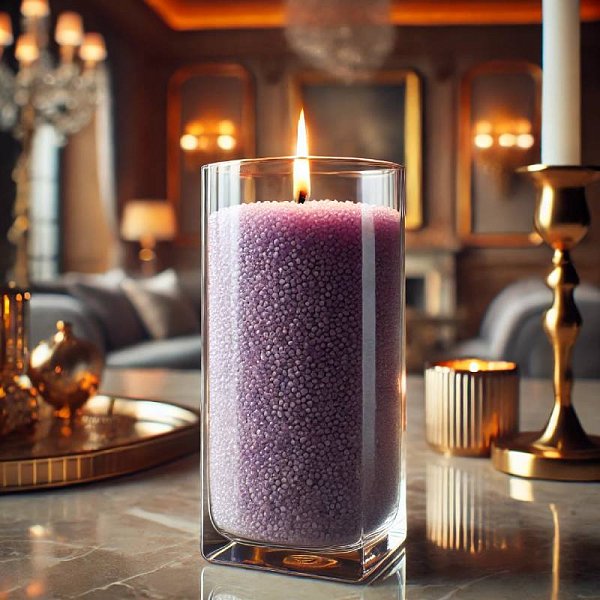
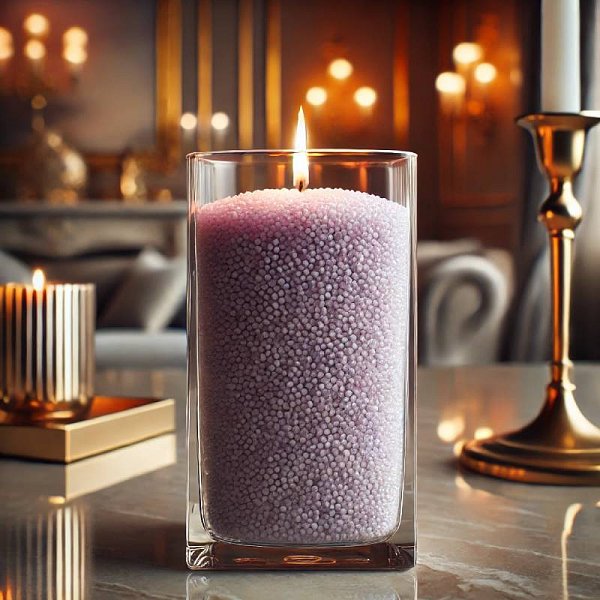
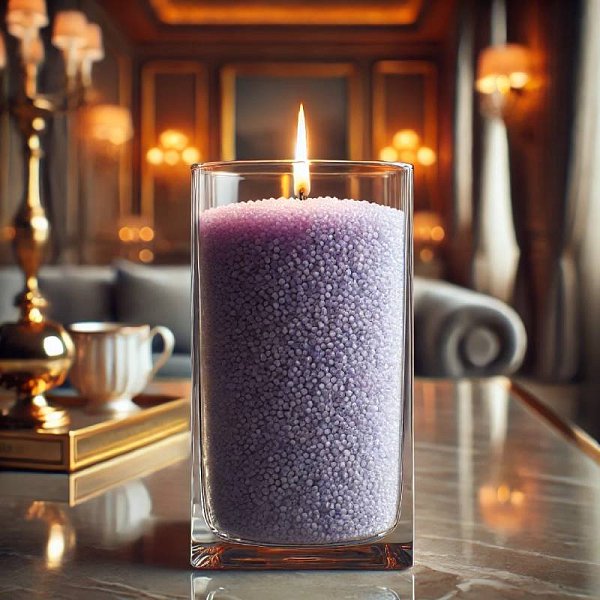
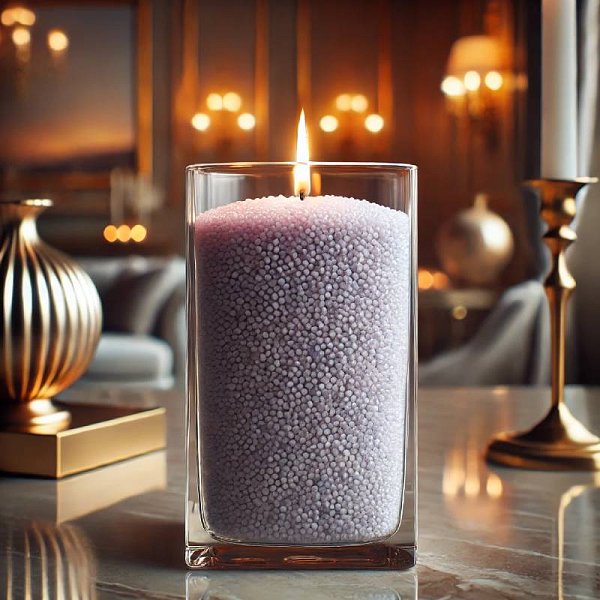
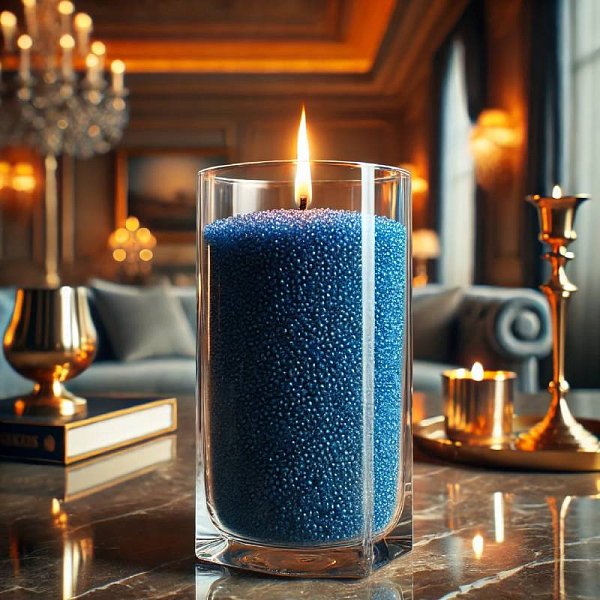
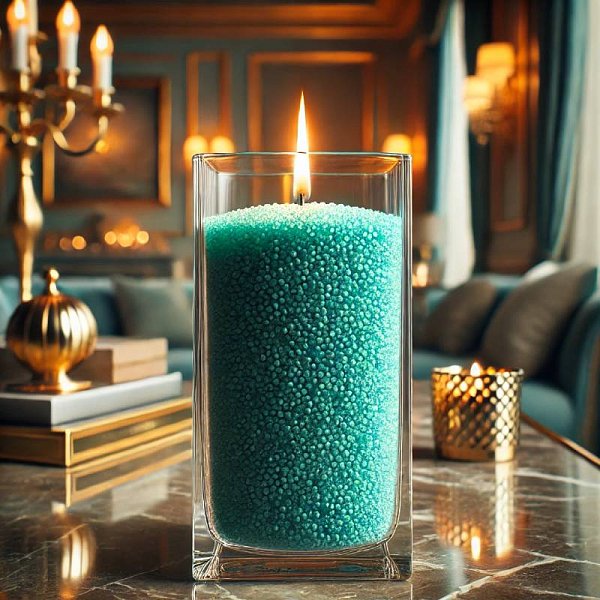

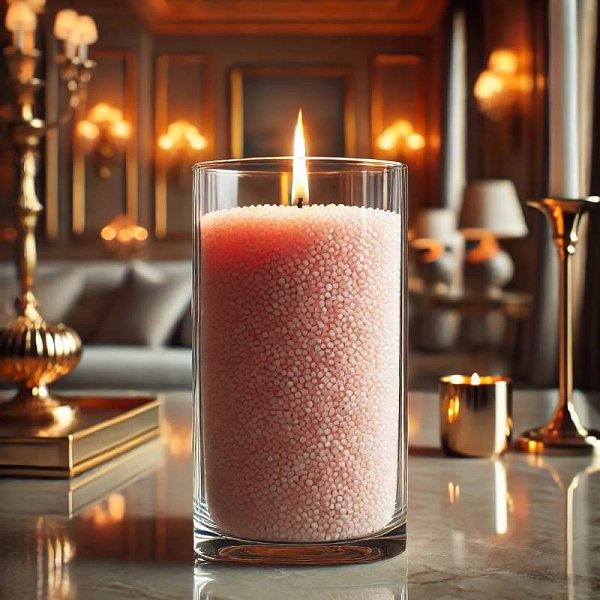
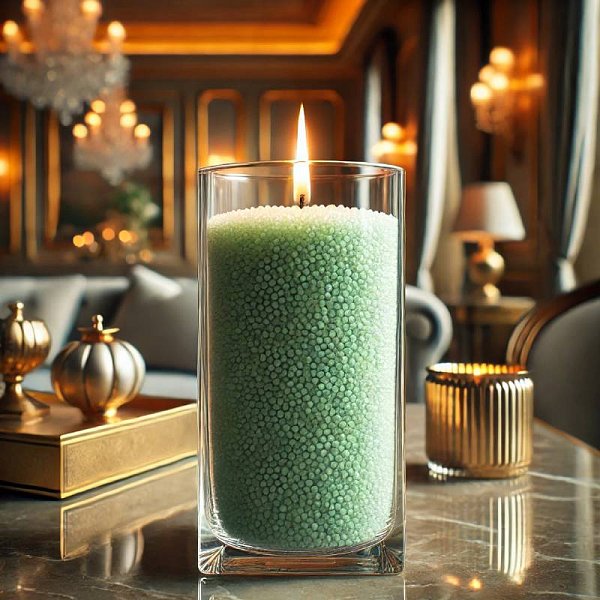
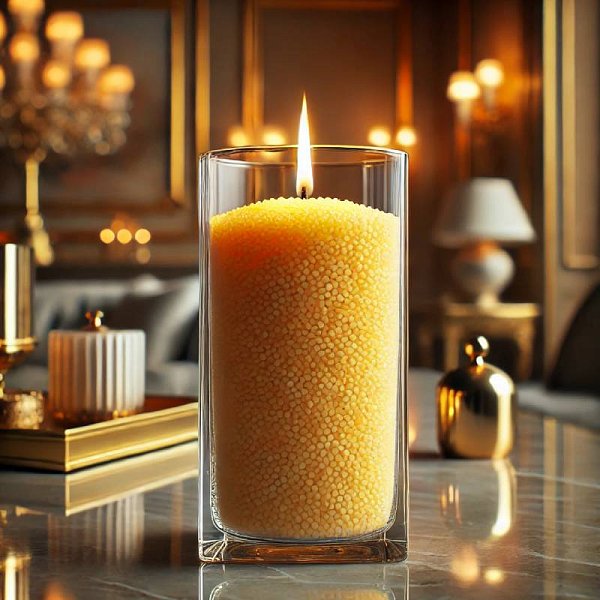
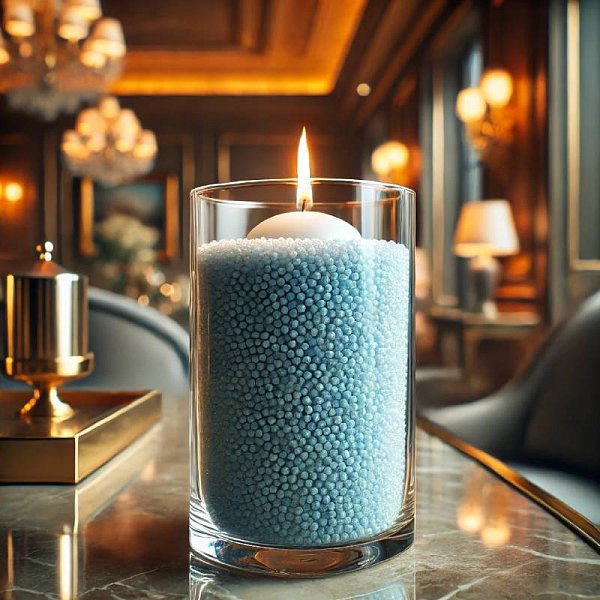

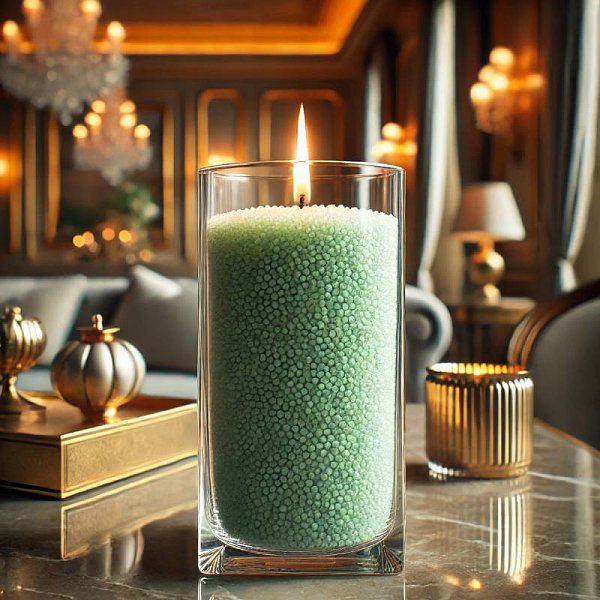
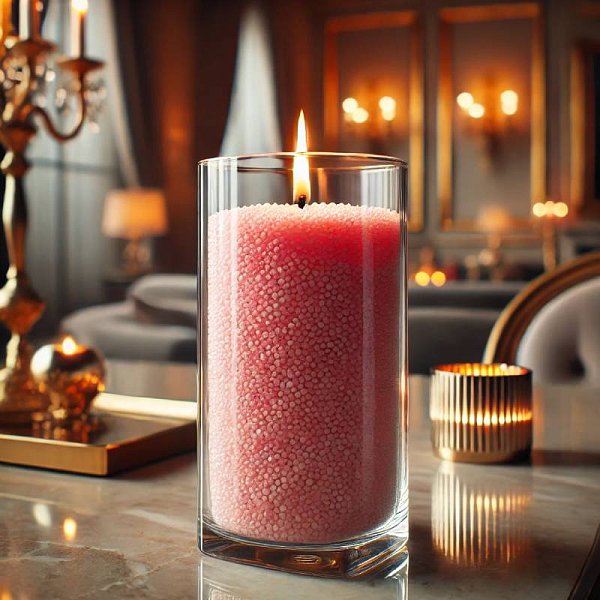

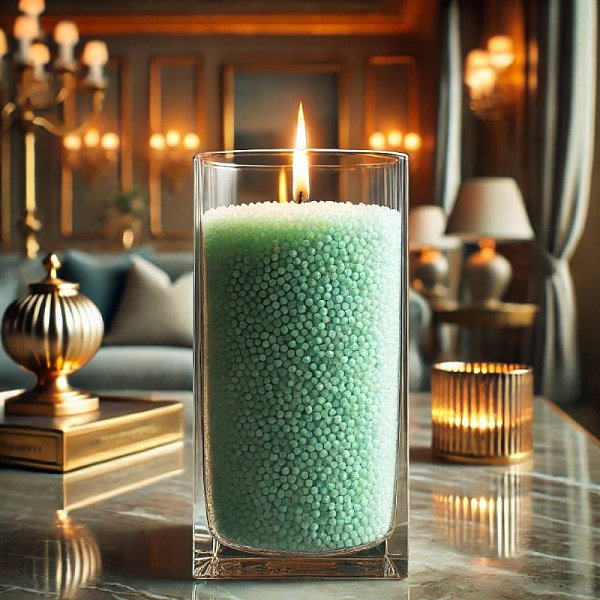
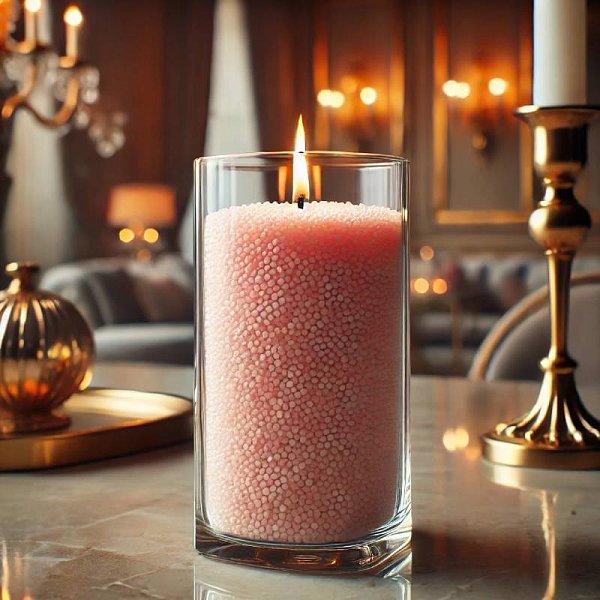
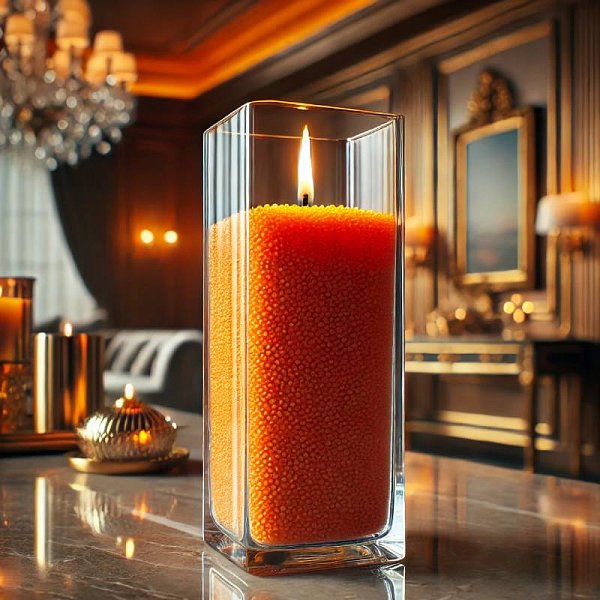


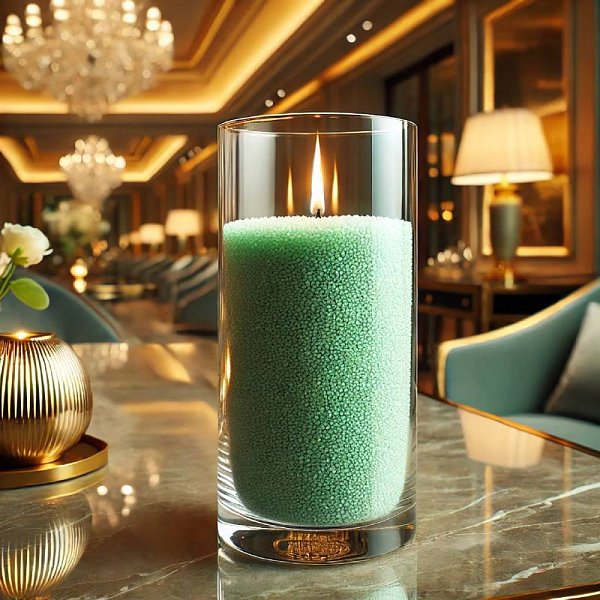
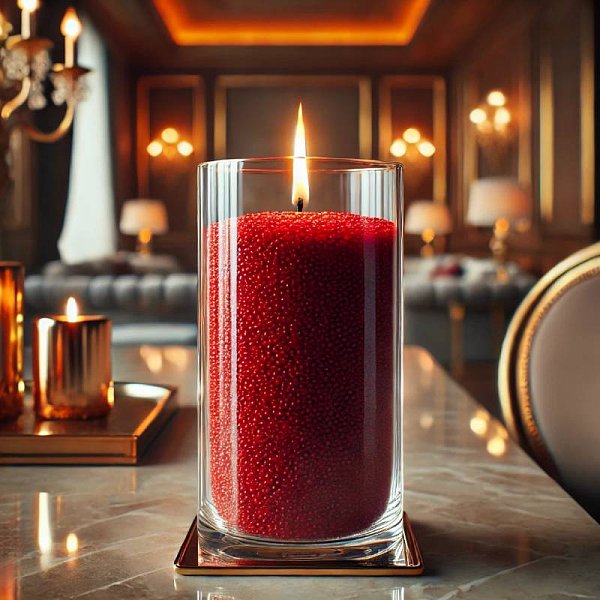
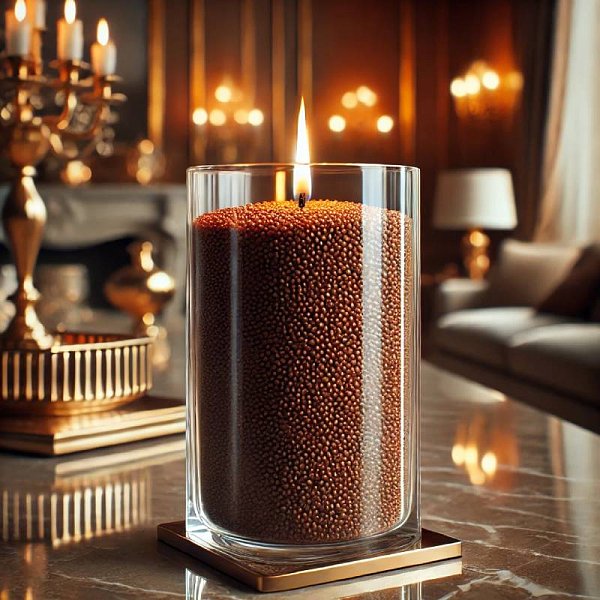
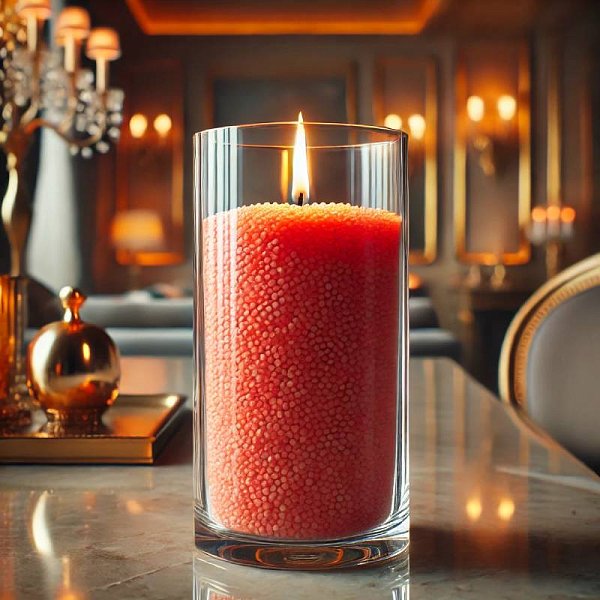
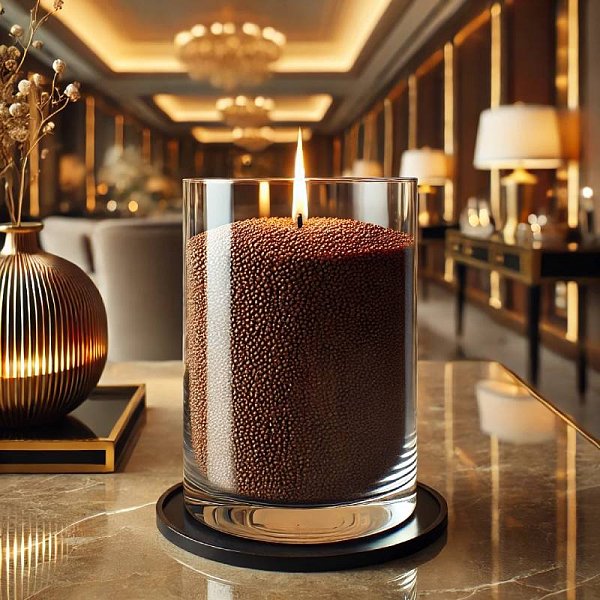
Raw wax bases for hand poured and container candle production
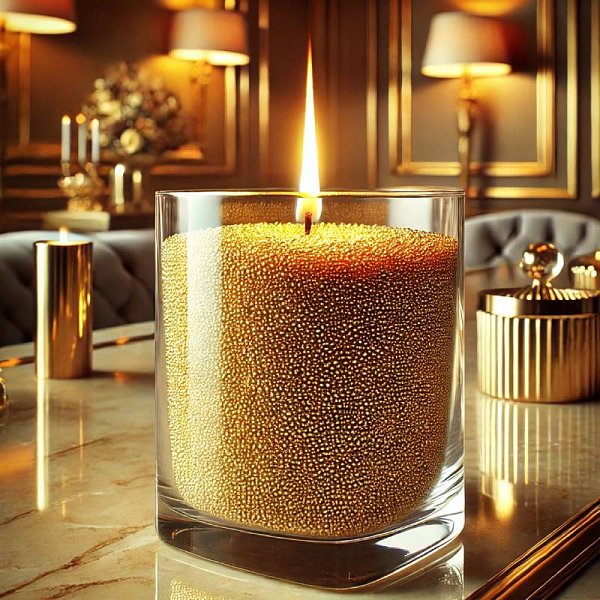
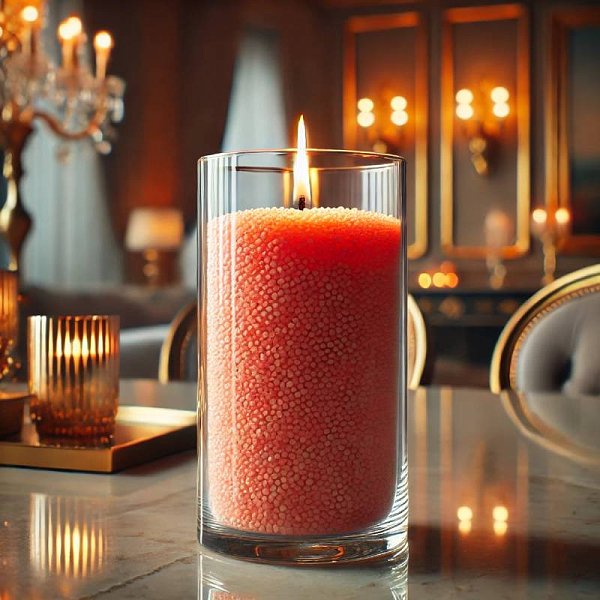
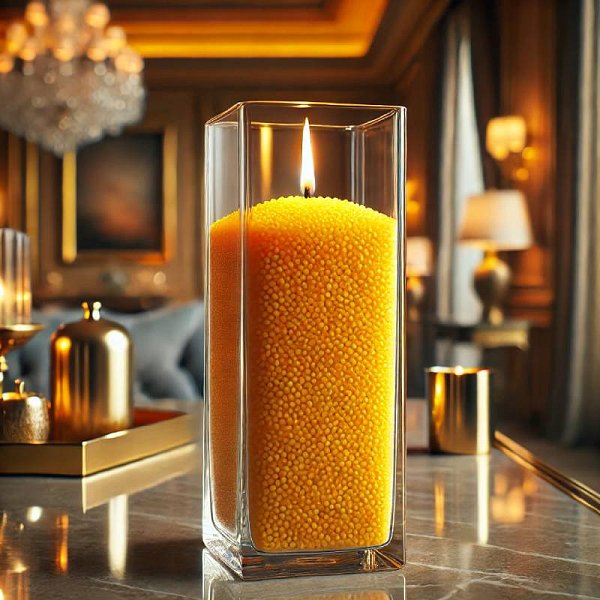
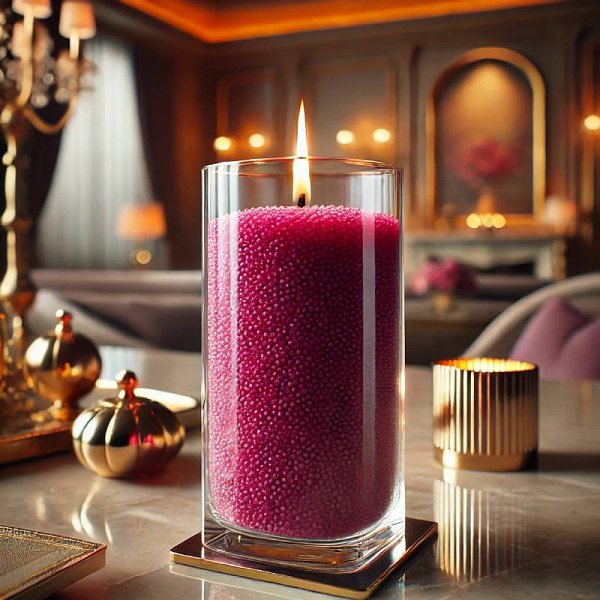
This section covers loose wax supplied in bulk form, chips, flakes, pellets or blocks, meant to be melted down and poured rather than sold as a finished candle. Buyers here are stocking up on a base material they will combine with fragrance, color and wicks themselves, whether working from a home studio or running a production line.
Melted and poured into molds or containers, this wax becomes pillars, votives, tealights, tins and jar candles, with the blend chosen to match burn time, scent throw and finish. Some formulas suit clean container pours, others hold shape better for freestanding pieces, so the right base depends on the final candle format rather than one universal choice.
Many buyers pair a wax order with Candle Fragrances Oils Wholesale to build a complete scented candle recipe, and for wicks, dyes and additives the broader Raw materials for candles section rounds out a full production order.
Wax types and how they differ
Raw wax arrives in several physical forms, and each one behaves differently once melted. Chips and flakes measure out easily and melt fast, which suits smaller batch pours where consistency between candles matters. Blocks and slabs need to be cut down first, but they store compactly and work well for larger production runs where wax is melted in bulk kettles rather than measured cup by cup.
The blend itself also varies by burn characteristics. Some bases are formulated for container pours, holding a clean melt pool and steady scent throw inside jars and tins, while others are stiffer and hold their shape when unmolded, making them better suited to pillars or votives poured without a container. A brown loose wax such as the Loose candle wax brown, 1 kg is one example of a bulk base sold this way, ready to melt down for either format depending on the additives blended in.
Choosing a base and building a recipe
Picking the right wax starts with the finished candle format. Container candles call for a base with good adhesion to glass or metal and a melt point that keeps the pool even, while freestanding shapes need a firmer set. Burn time, scent throw and the pouring temperature of the fragrance oil all factor into which base performs best in a given mold or vessel.
Wax is rarely used on its own. Fragrance oils are blended in at pour temperature to scent the finished candle, colorants are added for depth or a solid shade, and a wick sized to the diameter of the mold or jar is set before the pour. Buyers building a full recipe often start with fragrance from the Candle Colorants Wholesale range for color, then check the Candle making tools Wholesale section for thermometers, pouring pitchers and wick centering tools needed during the melt and pour stage.
Containers, origin and storage
For anyone pouring into containers rather than freestanding molds, the Candle Jars Wholesale section lists glass and tin options sized for typical wax volumes, useful for matching order quantities between wax and vessels. The wax stocked in this section is produced in Ukraine, giving buyers a locally sourced base without the longer lead times tied to imported pallets.
Loose wax keeps best stored away from direct heat and sunlight, in its original packaging or a sealed container, since softening and reflowing can change how the blend melts later on. For a broader view of what pairs with a wax order, from wicks to finishing touches, the full Candle making supplies Wholesale catalog covers the rest of a production order in one place.
FAQ
What is the difference between wax chips, flakes and pellets for candle making
These forms differ mainly in melt speed and measuring convenience. Flakes and chips melt faster and suit smaller test batches, while pellets and blocks pour more consistently into larger melters used for higher volume production runs and bigger container orders.
How much wax do I need per candle container
Volume depends on the jar size and wax density, so most producers weigh empty containers, fill with water to the fill line, then convert that water weight to an approximate wax weight. Testing one sample container before a full batch pour avoids under or overfilling a production run.
How should bulk candle wax be stored before use
Keep raw wax in a cool, dry space away from direct sunlight and heat sources, ideally below room temperature, in its original packaging or a sealed container. Proper storage prevents discoloration, moisture absorption and softening that can affect melt performance later.
Can different wax types be blended together in one candle
Yes, blending is common practice to balance burn time, scent throw and finish, since one wax type rarely delivers every property a producer wants. Small test pours with different ratios help identify a blend that holds shape, releases fragrance well and burns evenly for a specific container or mold.
Recommendations
Choosing the right raw wax comes down to matching the base to your final format, container pours, freestanding pillars or votives each perform better with a different melt point and hardness. Order a small sample batch first to check scent throw, finish and burn behavior before committing to a full production quantity. Once you have settled on a base, reach out by email with your target volume and intended candle type, and the order can be prepared alongside fragrance oils or other production materials for a single combined shipment.



