-
 Absolutes
-
 Active Complexes
-
 Actives & Peptides
-
 Amino Acids & Proteins
-
 Food Flavors
-
 Ayurvedic Ingredients & Herbs
-
 Vitamins & Coenzymes
-
 Chocolate Making Supplies
-
 Thickeners & Gelling Agents
-
 Hydrosols & Floral Waters
-
 Hydrolyzed Proteins
-
 Fragrance Ingredients
-
 Nutraceutical Ingredients
-
 Acids, Salts, Alcohols & Alkalis
-
 Preservatives & Antioxidants
-
 Cosmetic Ingredients
-
 Colorants, Micas & Glitters
-
 Masks, Scrubs & Botanicals
-
 Oils & Butters
-
 Candle Making Supplies
-
 Melt and Pour Soap Bases
-
 Cream, Lotion & Hair Care Bases
-
 Fragrance Oils & Industrial Aromatics
-
 Cleansing Agents & Surfactants
-
 Peeling Actives & Acids
-
 Cosmetic Powders
-
 Solvents & Humectants
-
 Silicones & Conditioning Agents
-
 Bottles, Jars & Vials
-
 Silicone & Plastic Molds, Tools
-
 Botanical Extracts
-
 Cosmetic Emollients
-
 Emulsifiers
-
 Essential Oils
- Absolutes 55
- Active Complexes 265
- Actives & Peptides 4846
- Amino Acids & Proteins 71
- Food Flavors 2097
- Ayurvedic Ingredients & Herbs 220
- Vitamins & Coenzymes 108
- Chocolate Making Supplies 109
- Thickeners & Gelling Agents 101
- Hydrosols & Floral Waters 139
- Hydrolyzed Proteins 87
- Fragrance Ingredients 44
- Nutraceutical Ingredients 797
- Acids, Salts, Alcohols & Alkalis 112
- Preservatives & Antioxidants 132
- Cosmetic Ingredients 8491
- Colorants, Micas & Glitters 1423
- Masks, Scrubs & Botanicals 1259
- Oils & Butters 1711
- Candle Making Supplies 542
- Melt and Pour Soap Bases 341
- Cream, Lotion & Hair Care Bases 89
- Fragrance Oils & Industrial Aromatics 6527
- Cleansing Agents & Surfactants 140
- Peeling Actives & Acids 57
- Cosmetic Powders 325
- Solvents & Humectants 37
- Silicones & Conditioning Agents 91
- Bottles, Jars & Vials 3927
- Silicone & Plastic Molds, Tools 6071
- Botanical Extracts 3614
- Cosmetic Emollients 108
- Emulsifiers 304
- Essential Oils 606


Cosmetic Powders
 Add to cart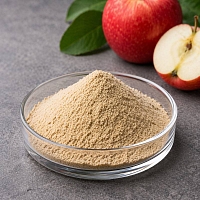
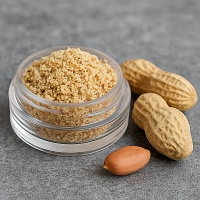

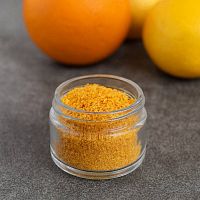
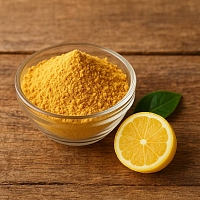
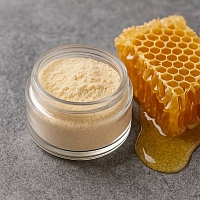
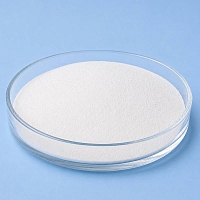
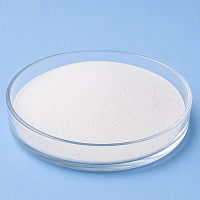
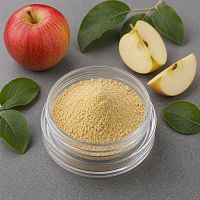
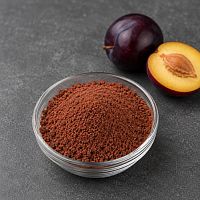
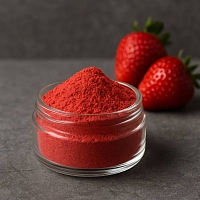
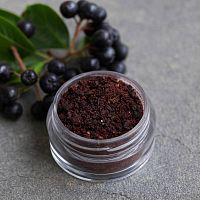
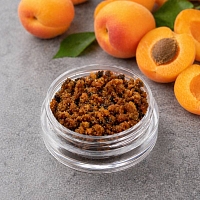
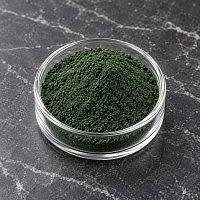
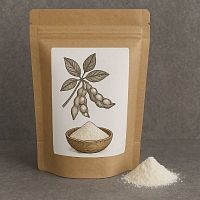
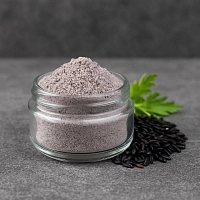
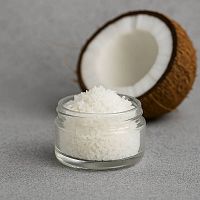
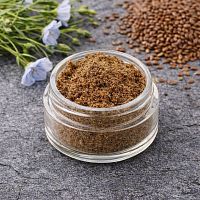

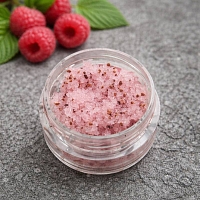
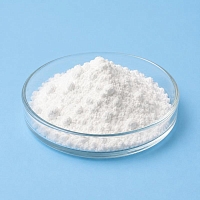
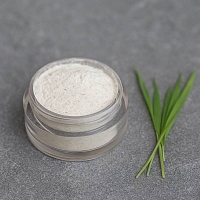
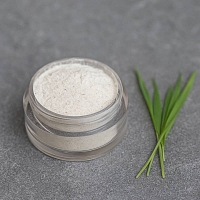
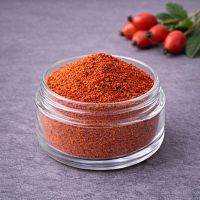
Botanical raw material for color and texture in formulations
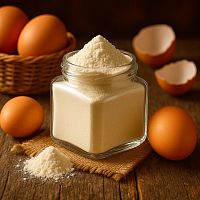
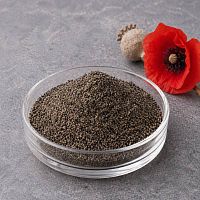
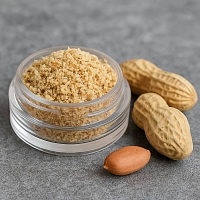
Herbal powders and plant powders are finely milled botanical materials used as raw ingredients in cosmetic manufacturing. This group covers ground leaves, roots, fruits, and whole-plant powders that bring natural color, mild texture, and functional properties to a wide range of formulations. Buyers can choose from dozens of plant types, each with a distinct particle size, shade, and behavior once blended into a base.
These powders are versatile inputs rather than finished products, so their use spans far beyond a single application. Formulators mix them into clay-based masks, exfoliating scrubs, powder cleansers, dry shampoos, tinted balms, and rinse-off treatments, relying on the plant material for color depth, gentle texture, or a natural look on ingredient labels. The same powder can shift a mask from green to deep brown or add a soft grain to a scrub base, depending on the ratio used.
Many of these powders pair naturally with other botanical components, and formulators exploring color and texture options often browse face masks, scrubs, and dried flowers alongside this section, or turn to dyes, pearlescents, and glitters when a formulation calls for more saturated or shimmering color effects.
Types of powders and how they differ
Root and rhizome powders bring warm, earthy tones and a fine, dense texture, while leaf powders such as Nettle Powder 10 g tend to sit lighter and greener once blended into a base. Fruit and seed powders behave differently again: Pineapple Powder 10 g carries a fruity note useful for color layering, whereas Ayurvedic Oat Seed Powder 25 g offers a soft, almost creamy grain that works well where a gentler texture is needed.
Some powders in this group are picked mainly for pigment strength, others for the abrasive or exfoliating quality of their particles. Turmeric Herbal Powder 25 g and Cinnamon Powder 25 g are valued for warm color depth, while coarser options such as Black Rice SPA Scrub 25 g or Organic coconut granules BIO 20 g lean toward mechanical exfoliation. Fine, low-grit powders like Rice Powder 20 g sit closer to the smoothing end of the spectrum, blending easily without adding noticeable texture.
Choosing the right powder and building a formula
The starting point for selection is the finished texture and color a formulator wants, not a single fixed recipe. A powder chosen for a clay mask base may need a finer particle size than one meant for a scrub, and a powder chosen for a tinted balm needs to disperse evenly in oils rather than water. Checking particle size, natural shade, and solubility against the target base is a practical way to narrow down options across dozens of plant materials.
Many of these powders combine well with other functional ingredients rather than standing alone. Spirulina Powder 50 g and Mustard powder 100 g are often layered with clays or other botanical powders to fine-tune both shade and skin feel, while a warming or brightening powder like Kapoor Kachli Powder 10 g can be blended in smaller ratios to adjust the finished aroma profile of a formulation without overpowering it. Working in small test batches helps confirm how a given powder shifts color and texture before scaling a formula up.
Origin, storage, and format notes
Depending on the specific powder, raw material in this category is sourced from Thailand, France, India, Germany, Malaysia, Ukraine, Spain, and Italy, giving formulators a choice between different growing regions and processing standards for the same plant type. Pack sizes are generally small and lab-friendly, from around 10 g to 100 g, which suits both testing new formulations and running limited production batches.
Because these are dry botanical powders, they should be kept in sealed, moisture-free packaging away from direct light and heat to preserve color strength and prevent clumping. For formulators looking to expand a color or texture palette further, the Molds, Packaging, Tools section covers the physical side of presenting finished products once a formulation is ready.
FAQ
What is herbal powder used for in cosmetics
Herbal powders add color, mild texture, and a natural look to formulations. They work in clay masks, scrubs, powder cleansers, dry shampoos, and tinted balms, giving formulators a way to adjust shade and grain without synthetic additives.
How do you add plant powder to a cosmetic base
Plant powders are usually sifted into a dry base first, then blended with liquids or oils gradually to avoid clumping. Start with a small ratio, since color intensity and texture can shift quickly as more powder is added to the mix.
What is the shelf life of botanical powders
Properly dried and milled plant powders typically stay stable for one to two years when kept sealed, away from light, heat, and moisture. Color and scent may fade gradually over time, so checking texture and smell before use is good practice.
Can different plant powders be mixed together
Yes, many formulators combine two or more powders to build a custom shade or texture, such as blending a green powder with a clay for a softer tone. Testing small batches first helps confirm how the colors and particle sizes interact.
Why does the same powder look different in each batch
Natural variation in the plant material, harvest conditions, and drying methods can cause slight shifts in shade or fineness between batches. This is typical for botanical raw materials and does not affect their functional use in a formulation.
How should herbal powders be stored before use
Keep powders in airtight containers, away from direct sunlight and humidity, ideally in a cool dry place. Moisture exposure is the main risk, since it can cause clumping or promote mold in fine plant powders over time.
Recommendations
When choosing a herbal powder, match the particle size and shade to your finished formulation rather than the plant name alone, since fineness affects how smooth or grainy the final texture feels. Request a small sample batch first if you plan to use the powder for color matching across multiple production runs, as natural variation between harvests is normal. For larger orders, confirm the quantity needed for your full production cycle in advance, since order assembly takes three to five business days. Reach out by email with your intended use and target shade, and our team can help you narrow down the right powder for your formulation.