-
 Absolutes
-
 Active Complexes
-
 Actives and Peptides for Cosmetics
-
 Amino Acids
-
 Food Flavorings
-
 Ayurveda
-
 Vitamins
-
 Gelling Agents and Thickeners
-
 Hydrosols and Floral Waters
-
 Hydrolyzed Proteins
-
 Fragrant and aromatic substances
-
 Acids, Salts, Alcohols, and Alkalis
-
 Preservatives and Antioxidants
-
 Cosmetic Raw Materials
-
 Dyes, Pearlescents, and Glitters
-
 Face Masks, Scrubs, and Dried Flowers
-
 Oils, batters, macerates, oil mixtures
-
 Candle Supplies
-
 Melt and Pour Soap Bases
-
 Base for cosmetics, cream, serum, shampoo
-
 Fragrance Oils
-
 Surfactants
-
 Peelings for Skin
-
 Herbal Powders and Plant
-
 Silicones and Conditioning Surfactants for Hair
-
 Raw materials for dietary supplements
-
 Packaging for Cosmetics and Perfumes
-
 Molds, Packaging, Tools
-
 Organic Extracts
-
 Emollients for Cosmetics
-
 Emulsifiers
-
 Essential Oils
- Antioxidants 83
- Biocides 13
- Hydrosols (Hydrolates) 11
- Hydrocolloids for Cosmetics 14
- Others 81
- Fragrant Waters for Cosmetics 26
- Mineral Cosmetic Ingredient 162
- Cosmetic Components by Purpose 5938
- Corneotherapy 13
- Liposomes for Cosmetics 20
- Minerals 44
- pH Neutralizers/Correctors 21
- Resins and Resinoids 17
- UV and SPF Filters for Cosmetics 59
- Fruit Powders 15
- Chemical Raw Materials 157
- Enzymes, Filtrates, and Lysates 19
- Cargill France SAS – Oils and Actives 10
- BASF Cognis Care Chemicals 12
- Vitamins Wholesale 130
- Bulk Waxes for Cosmetics 60
- Others Wholesale 112
- Acids, Salts, Alcohols, and Alkalis Wholesale 121
- Cosmetic Ingredients Wholesale 2341
- Bulk Food Raw Materials for Production 17
- Fruit Powders in Bulk 23
- Antioxidants Wholesale 1
- Acids and Alkalis Wholesale 17
- Preservatives in Bulk 5
- Bulk Surfactants 3
- Emulsifiers Bulk 14
- Hydrosols Bulk 209


Antioxidants

 Add to cart

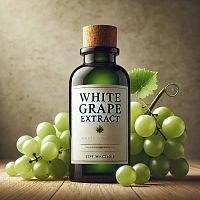
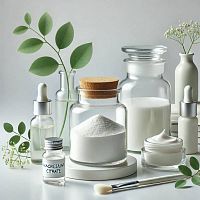

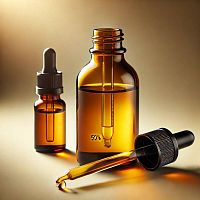
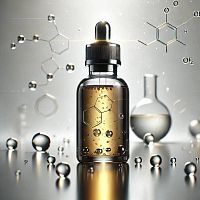


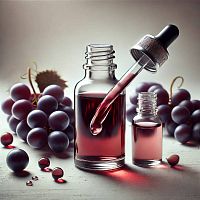

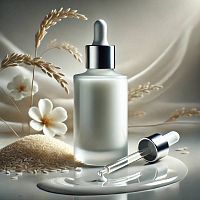



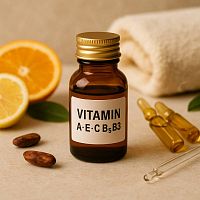
Антиоксиданты в интернет-магазине «Мыло Опт Украина»: Качество и Эффективность
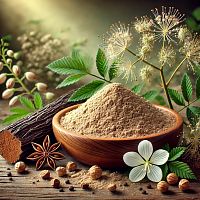
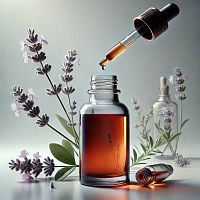
В современном мире, где стресс, загрязнение окружающей среды и неправильное питание стали неотъемлемой частью повседневной жизни, забота о здоровье и красоте кожи приобретает особую значимость. Одним из наиболее эффективных средств в борьбе со старением кожи и сохранением ее здоровья являются антиоксиданты. Интернет-магазин «Мыло Опт Украина» предлагает широкий ассортимент антиоксидантов, предназначенных для создания высококачественных косметических средств в домашних условиях и профессиональных лабораториях.
Что такое антиоксиданты и почему они важны?
Антиоксиданты – это вещества, которые помогают защитить клетки организма от повреждений, вызванных свободными радикалами. Свободные радикалы – это молекулы, которые могут повредить клеточные мембраны, белки и ДНК, что приводит к старению и различным заболеваниям. Антиоксиданты нейтрализуют свободные радикалы, предотвращая их вредное воздействие и способствуя регенерации кожи.
Ассортимент антиоксидантов в «Мыло Опт Украина»
На сайте «Мыло Опт Украина» представлен широкий выбор антиоксидантов, которые можно использовать для создания разнообразных косметических средств. Рассмотрим некоторые из них подробнее:
1. Витамин Е (Токоферол)
Витамин Е – один из наиболее популярных и эффективных антиоксидантов, широко используемый в косметической промышленности. Он защищает клетки кожи от окислительного стресса, увлажняет и питает кожу, способствует заживлению ран и уменьшению воспалений. Витамин Е также улучшает эластичность кожи и помогает бороться с первыми признаками старения.
2. Аскорбиновая кислота (Витамин C)
Аскорбиновая кислота известна своими мощными антиоксидантными свойствами. Она стимулирует синтез коллагена, улучшает текстуру кожи и придает ей сияние. Витамин C также помогает осветлить пигментные пятна и выравнивает тон кожи, делая ее более молодой и свежей.
3. Коэнзим Q10
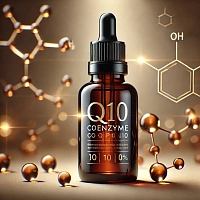
Коэнзим Q10 – это естественный антиоксидант, который присутствует в каждой клетке организма. С возрастом его уровень уменьшается, что приводит к снижению энергии клеток и появлению признаков старения. Коэнзим Q10 помогает восстанавливать энергетический баланс клеток, защищает кожу от повреждений и улучшает ее общий вид.
4. Экстракт зеленого чая
Экстракт зеленого чая богат катехинами, которые обладают мощными антиоксидантными свойствами. Он уменьшает воспаление, защищает кожу от ультрафиолетовых лучей и способствует регенерации клеток. Экстракт зеленого чая также помогает бороться с акне и улучшает общий тонус кожи.
5. Ресвератрол
Ресвератрол – это мощный антиоксидант, содержащийся в кожуре красного винограда и некоторых ягодах. Он обладает противовоспалительными свойствами, улучшает микроциркуляцию и защищает кожу от окислительного стресса. Ресвератрол также способствует уменьшению морщин и улучшает текстуру кожи.
Преимущества использования антиоксидантов в косметике
Использование антиоксидантов в составе косметических средств имеет множество преимуществ:
- Защита от свободных радикалов: Антиоксиданты нейтрализуют свободные радикалы, предотвращая повреждение клеток и замедляя процессы старения.
- Улучшение текстуры и тона кожи: Антиоксиданты способствуют выравниванию тона кожи, уменьшению пигментных пятен и улучшению текстуры.
- Увлажнение и питание: Многие антиоксиданты, такие как витамин Е, обладают увлажняющими свойствами, которые помогают сохранить кожу мягкой и гладкой.
- Противовоспалительное действие: Антиоксиданты уменьшают воспаление и раздражение, делая кожу более здоровой и сияющей.
- Стимуляция синтеза коллагена: Антиоксиданты, такие как витамин C, стимулируют выработку коллагена, что способствует упругости и эластичности кожи.
Как использовать антиоксиданты в домашних условиях?
Создание косметических средств с антиоксидантами в домашних условиях – это увлекательный и творческий процесс. Вот несколько рекомендаций по использованию антиоксидантов:
- Маски для лица: Добавьте несколько капель витамина Е или экстракта зеленого чая в свою любимую маску для лица. Это усилит ее увлажняющие и защитные свойства.
- Сыворотки: Создайте свою сыворотку, используя аскорбиновую кислоту и коэнзим Q10. Наносите сыворотку на чистую кожу перед увлажняющим кремом.
- Кремы: Включите антиоксиданты в состав ваших кремов для лица и тела. Это поможет улучшить их эффективность и защитить кожу от внешних факторов.
- Скрабы: Добавьте ресвератрол в свои скрабы для лица и тела. Он поможет уменьшить воспаление и улучшить микроциркуляцию.
Почему стоит выбрать «Мыло Опт Украина»?
Интернет-магазин «Мыло Опт Украина» предлагает только качественные и проверенные антиоксиданты от надежных производителей. Мы гарантируем:
- Высокое качество продукции: Все наши товары проходят тщательную проверку и соответствуют международным стандартам качества.
- Широкий ассортимент: У нас вы найдете широкий выбор антиоксидантов для создания разнообразных косметических средств.
- Доступные цены: Мы предлагаем конкурентные цены на всю продукцию, чтобы вы могли создавать качественные косметические средства без лишних затрат.
- Удобная доставка: Мы осуществляем доставку по всему миру, а также по всей территории Украины. Вы можете быть уверены, что ваш заказ прибудет вовремя и в целости.
- Профессиональная консультация: Наши эксперты всегда готовы помочь вам с выбором продукции и ответить на все ваши вопросы.
Заключение
Антиоксиданты играют важную роль в уходе за кожей, помогая защитить ее от вредного воздействия окружающей среды и замедлить процессы старения. Интернет-магазин «Мыло Опт Украина» предлагает широкий ассортимент антиоксидантов, которые можно использовать для создания высококачественных косметических средств. Заказывайте антиоксиданты у нас и наслаждайтесь красотой и здоровьем вашей кожи каждый день!
Помните, что использование качественных ингредиентов – это залог создания эффективных и безопасных косметических средств. Доверьтесь профессионалам и выбирайте лучшее для своей кожи вместе с «Мыло Опт Украина»!