-
 Absolutes
-
 Active Complexes
-
 Actives & Peptides
-
 Amino Acids & Proteins
-
 Food Flavors
-
 Ayurvedic Ingredients & Herbs
-
 Vitamins & Coenzymes
-
 Chocolate Making Supplies
-
 Thickeners & Gelling Agents
-
 Hydrosols & Floral Waters
-
 Hydrolyzed Proteins
-
 Fragrance Ingredients
-
 Nutraceutical Ingredients
-
 Acids, Salts, Alcohols & Alkalis
-
 Preservatives & Antioxidants
-
 Cosmetic Ingredients
-
 Colorants, Micas & Glitters
-
 Masks, Scrubs & Botanicals
-
 Oils & Butters
-
 Candle Making Supplies
-
 Melt and Pour Soap Bases
-
 Cream, Lotion & Hair Care Bases
-
 Fragrance Oils & Industrial Aromatics
-
 Cleansing Agents & Surfactants
-
 Peeling Actives & Acids
-
 Cosmetic Powders
-
 Solvents & Humectants
-
 Silicones & Conditioning Agents
-
 Bottles, Jars & Vials
-
 Silicone & Plastic Molds, Tools
-
 Botanical Extracts
-
 Cosmetic Emollients
-
 Emulsifiers
-
 Essential Oils


Mineral fillers

 Add to cart

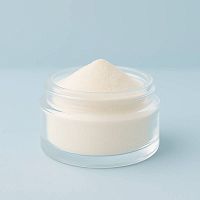


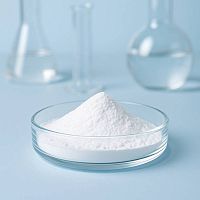



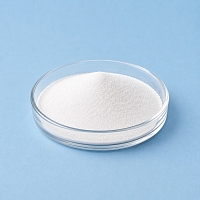
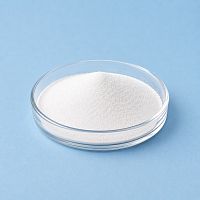
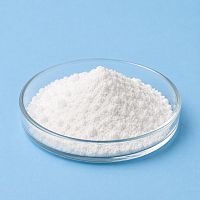
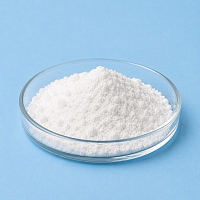
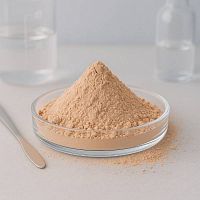
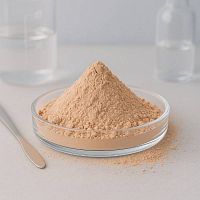


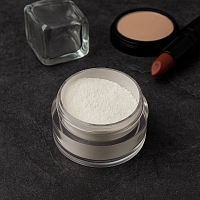


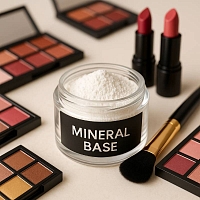

Texture and structure builders for powders and compacts
Mineral fillers are fine powdered substances such as mica, silica, kaolin, talc and sericite used to build the bulk, slip and texture of a cosmetic formula. They fill out the base of a product, carry pigments evenly through a mix and give a formula the tactile finish a finished product needs, from silky and smooth to dense and matte. This section holds a wide range of these bulking and texturizing powders for makers who develop their own cosmetic recipes.
These powders are the working base behind pressed powders, loose setting powders, eyeshadows, blushes, bronzers, dry shampoos and mineral foundations, where they carry color, absorb excess oil and give the product slip across skin. They also show up in balms, creams and body care formulas as a way to adjust texture, matify a finish or add light reflective softness. Formulators pair mineral fillers with pigments and binders from the mineral cosmetic ingredients range and apply finished blends with tools from the cosmetic brushes and applicators selection to test how a formula performs in practice.
Types of mineral fillers and how they differ
Talc is the most common bulking filler, prized for its softness and slip. It comes in different grind levels, from Talc Powder 15 g for small test batches to Talc Powder 50 g and Talc Powder 1 kg for larger production runs.
Zinc oxide is valued for its opacity and its ability to add coverage and a mattifying effect to a powder blend, and a fine grade such as Zinc Oxide low-micron 5 g disperses evenly without a gritty feel. Pearl powder brings a soft light reflecting shimmer instead of a flat matte look, available as Pearl Powder 10 g, Pearl Powder 100 g or Pearl Powder 1 kg depending on batch size.
Magnesium oxide and magnesium stearate serve different roles in a formula. Magnesium oxide, sold as Magnesium Oxide 50 g or Magnesium Oxide 1 kg, works as a filler and pH adjusting agent, while magnesium stearate, such as Magnesium Stearate 5 g, acts as a binder and helps a pressed powder hold its shape without crumbling. Calcium stearate, offered in Calcium Stearate 100 g and Calcium Stearate 1 kg, gives a similar binding and water repelling function and is often chosen where a drier finish is wanted.
How to choose a filler and what to combine it with
The choice usually starts with the finish a formula needs. A soft focus matte result calls for talc or a stearate as the main bulk, while a luminous or pearlescent look calls for pearl powder blended in as an accent rather than a base. Opacity needs, such as full coverage foundations or concealers, point toward zinc oxide as a functional filler rather than just a texture agent.
Binding behaviour matters just as much as visual finish. A loose powder tolerates a lower binder ratio, while a pressed powder or compact needs enough magnesium or calcium stearate to keep the cake intact through shipping and repeated use. Formulators typically test a small batch first, adjusting the ratio of bulking powder to binder until the pressed result holds without being too hard or chalky.
These fillers rarely work alone. They are commonly blended with color and shimmer ingredients from a wider mineral cosmetic range, and the finished mix is applied and tested with brushes and applicators to judge how it lays down on skin before scaling up a batch.
Origin and storage
Depending on the specific item, these powders originate from France, the United States, Italy, India, Germany, Poland, Ukraine and Korea, reflecting the different mineral sources and refining standards used across the range. All of them should be kept in sealed, moisture free containers, away from direct sunlight and humidity, since most mineral fillers readily absorb ambient moisture and can clump or lose slip if left exposed.
FAQ
What is the difference between talc and mica as a filler in a cosmetic powder
Talc gives a dense, smooth, slightly matte base with good pressability, while mica adds slip and a soft reflective sheen without much shine. Many formulas blend both to balance coverage, glide and finish depending on the desired look.
Can mineral fillers be used in cream and balm formulas or only in powders
Mineral fillers work well beyond pressed powders. Small amounts of kaolin, silica or sericite are often added to creams, balms and body care bases to soften a greasy feel, matify the finish or improve how a formula spreads and absorbs on skin.
How much filler should be used when formulating a pressed powder or eyeshadow
There is no single ratio since it depends on the pigments, binders and the pressability you want. Most formulators start with a small test batch, adjusting the filler percentage gradually until the powder presses well and applies smoothly without cracking.
How should mineral fillers be stored to keep them free flowing
Keep these powders in sealed, dry containers away from direct moisture and heat. Humidity is the main risk, as it can cause clumping or affect how evenly a filler blends with pigments and binders later in a formula.
Do mineral fillers absorb oil or just add texture
Both. Fillers like kaolin and silica have a natural ability to absorb excess oil and sebum, which is why they appear in dry shampoos and mattifying formulas, while others like talc and sericite are chosen mainly for their smooth slip and soft finish.
Recommendations
When choosing a mineral filler, start from the finish you want in the final formula rather than the name of the powder alone. A dense, matte pressed base calls for a different filler than a soft focus cream or an oil absorbing dry shampoo base, so compare particle feel and opacity before committing to a large batch. Ask about the texture and blend behavior of a specific lot if you plan to scale a recipe from a small test to a larger production run, since fine powders can vary slightly between batches. Reach out by email with your intended formula and volume, and the team can help match a filler grade to your project.



