-
 Absolutes
-
 Active Complexes
-
 Actives & Peptides
-
 Amino Acids & Proteins
-
 Food Flavors
-
 Ayurvedic Ingredients & Herbs
-
 Vitamins & Coenzymes
-
 Chocolate Making Supplies
-
 Thickeners & Gelling Agents
-
 Hydrosols & Floral Waters
-
 Hydrolyzed Proteins
-
 Fragrance Ingredients
-
 Nutraceutical Ingredients
-
 Acids, Salts, Alcohols & Alkalis
-
 Preservatives & Antioxidants
-
 Cosmetic Ingredients
-
 Colorants, Micas & Glitters
-
 Masks, Scrubs & Botanicals
-
 Oils & Butters
-
 Candle Making Supplies
-
 Melt and Pour Soap Bases
-
 Cream, Lotion & Hair Care Bases
-
 Fragrance Oils & Industrial Aromatics
-
 Cleansing Agents & Surfactants
-
 Peeling Actives & Acids
-
 Cosmetic Powders
-
 Solvents & Humectants
-
 Silicones & Conditioning Agents
-
 Bottles, Jars & Vials
-
 Silicone & Plastic Molds, Tools
-
 Botanical Extracts
-
 Cosmetic Emollients
-
 Emulsifiers
-
 Essential Oils
- Glycolic Extracts Wholesale 298
- Botanical Extract Complexes Wholesale 105
- Oil Extracts Wholesale 281
- Aromatic Extracts Wholesale 104
- Fermented Extracts Wholesale 41
- Liquid Plant Extract Wholesale 247
- Plant Extracts Concentrates Wholesale 228
- CO2 Extracts Wholesale 548
- Powdered extracts and algae wholesale 679


Liquid Plant Extract Wholesale

 Add to cart
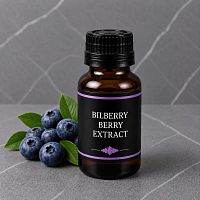


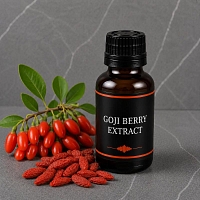
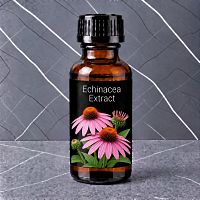


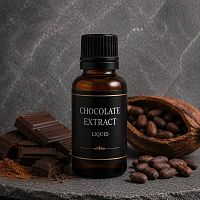
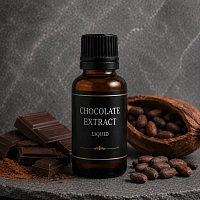


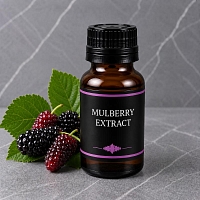
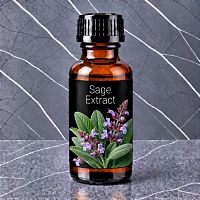


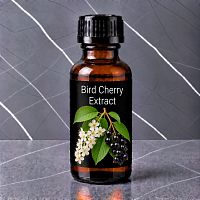


Concentrated botanical liquids for custom cosmetic formulas
This section covers liquid plant extracts supplied in glycerin, water, oil, or alcohol bases, ready to be dosed directly into cosmetic formulas. Each extract carries a concentrated set of botanical actives drawn from a specific plant, herb, root, or flower, dissolved into a carrier that keeps the material stable and easy to measure during production.
Formulators use these liquids across a wide range of finished products, including creams, serums, toners, shampoos, conditioners, and emulsions, where the extract contributes color, scent nuance, or a functional profile depending on the plant source. Because the actives are already in liquid form, they blend into water phases or emulsion systems without extra processing, which matters for both small batch and industrial scale runs.
Liquid extracts sit alongside two related raw material groups worth comparing before ordering. For formulas that need a lighter water content and longer shelf stability, powdered extracts and algae wholesale offer the same botanical actives in dry form, while plant extracts concentrates wholesale provide a more potent starting material for formulators who prefer to dilute actives themselves.
Plant sources and how they differ
The range spans flowers, leaves, roots, bark, and algae, each contributing a different working profile to a formula. Calendula Extract and Lavender Extract are common choices for soothing skin formulas, while St. John's Wort Extract and Japanese Sophora Extract bring a denser concentration of plant compounds often used in leave-on and rinse-off formulas alike.
Marine and algae based liquids form their own subgroup. Spirulina extract and Laminaria Extract carry a distinct greenish tint and are often selected for color and texture contribution in creams and masks, separate from the floral group. Aloe Extract stands apart again, valued for its light, watery consistency that blends easily into toners and gel formulas without adding weight.
A smaller group covers extracts with a more targeted functional role. Hot Pepper Extract is typically dosed at low percentages for its warming action in specific body care formulas, while Oak Bark Extract and Cornflower Extract are chosen for their tannin and mild astringent character in toning products.
Choosing the right extract for a formula
Selection usually starts with the finished product type rather than the plant itself. A shampoo or conditioner base calls for extracts that stay stable in a surfactant system, while a cream or serum emulsion allows for a wider range of botanical liquids since the oil phase helps carry additional compounds. Rose petal Extract is often selected for its light natural tint in toners and lotions, which matters when a formulator wants to avoid synthetic colorants.
Concentration and dosage rate are the next factors. Because these are ready to use liquids rather than raw concentrates, formulators can dose them directly without a separate dilution step, which simplifies small batch work. For projects that need a more potent starting material or a different base entirely, the Oil Extracts Wholesale range offers an oil soluble alternative that behaves differently in emulsion systems compared to a glycerin or water based liquid.
Compatibility with the rest of a formula also depends on preservative system and pH range, since plant liquids can shift the water phase balance slightly depending on their base. Testing a small batch before committing to a full production run remains the most reliable way to confirm how a given extract performs alongside active ingredients already in the recipe.
Origin, packaging, and storage
Extracts in this section arrive from a mix of origins, including Ukraine, Germany, France, Italy, Czech Republic, South Korea, and China, giving formulators a choice between local and imported botanical sources depending on the project. Liquids are typically supplied in one liter packaging suited to both small workshop batches and larger production planning.
Storage in a cool, dark place away from direct sunlight helps preserve the color and activity of the botanical compounds over time, since light and heat exposure can gradually degrade plant based liquids faster than synthetic ingredients. Keeping containers tightly closed between uses also limits oxidation and contamination during repeated dosing in a production setting.
FAQ
What is the difference between a liquid plant extract and a powdered extract?
Liquid extracts arrive pre-dissolved in glycerin, water, oil, or alcohol, so they blend into a formula without extra steps. Powdered extracts need to be dispersed or dissolved first, but they offer a longer shelf life and lower water content for certain recipes.
Can liquid plant extracts be used in both water and oil phases?
It depends on the carrier base. Glycerin and water based extracts work best in water phases and toners, while oil based extracts blend more naturally into emulsions, serums, and other oil phase components of a cream or lotion.
How much liquid extract should be added to a cosmetic formula?
Dosage varies by plant source and desired effect, typically ranging from small percentages for functional actives to higher percentages when the extract also contributes scent or color. Always start with a supplier recommended range and adjust through small test batches.
Do liquid plant extracts need refrigeration for storage?
Most liquid extracts are stable at room temperature if kept in a sealed, dark container away from direct heat and sunlight. Alcohol and glycerin based versions are generally more shelf stable than water based ones, which may need cooler storage.
Can liquid extracts replace concentrated plant extracts in a recipe?
Not directly in most cases, since concentrates are more potent and require different dosing. Liquid extracts are formulated for straightforward measuring at lower concentrations, while concentrates need dilution or recalculated ratios to reach the same active level.
Recommendations
When choosing a liquid plant extract, match the carrier base to your formula type: water or glycerin based versions suit toners and water phases, while oil based extracts integrate more smoothly into emulsions and serums. Compare the botanical source against the functional or sensory result you want, whether that is color, scent nuance, or a specific plant profile, and request a small sample batch before committing to a larger order. Once you have confirmed the right extract for your formula, our team is ready to process your order details by email and prepare the batch for dispatch.



