-
 Absolutes
-
 Active Complexes
-
 Actives & Peptides
-
 Amino Acids & Proteins
-
 Food Flavors
-
 Ayurvedic Ingredients & Herbs
-
 Vitamins & Coenzymes
-
 Chocolate Making Supplies
-
 Thickeners & Gelling Agents
-
 Hydrosols & Floral Waters
-
 Hydrolyzed Proteins
-
 Fragrance Ingredients
-
 Nutraceutical Ingredients
-
 Acids, Salts, Alcohols & Alkalis
-
 Preservatives & Antioxidants
-
 Cosmetic Ingredients
-
 Colorants, Micas & Glitters
-
 Masks, Scrubs & Botanicals
-
 Oils & Butters
-
 Candle Making Supplies
-
 Melt and Pour Soap Bases
-
 Cream, Lotion & Hair Care Bases
-
 Fragrance Oils & Industrial Aromatics
-
 Cleansing Agents & Surfactants
-
 Peeling Actives & Acids
-
 Cosmetic Powders
-
 Solvents & Humectants
-
 Silicones & Conditioning Agents
-
 Bottles, Jars & Vials
-
 Silicone & Plastic Molds, Tools
-
 Botanical Extracts
-
 Cosmetic Emollients
-
 Emulsifiers
-
 Essential Oils
- Ingredients for Bath Bomb and Fizzer 218
- Soap Bouquet Crafting Materials 521
- Slime Supplies: Ingredients and Additives 560
- Shampoo ingredients 393
- DIY Perfume Supplies 986
- Deodorant Components 90
- Cold process soap ingredients 96
- Components for lipstick, balm, lip gloss 374
- Sun protection components 253
- Components for washing powder 62
- Bath products 88
- Ingredients for cleaning products 71
- Ingredients for Alginate Masks 36
- Shampoo Ingredients Wholesale 501
- DIY Perfume Supplies Wholesale 1050
- Chocolate Ingredients Wholesale 71
- Components for washing powder Wholesale 64


Bath products
 Add to cart




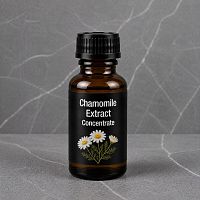

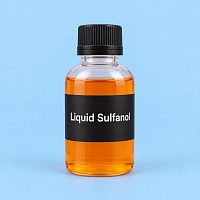

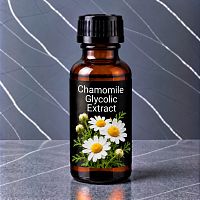

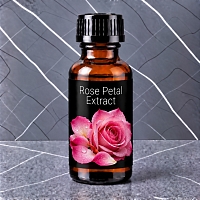
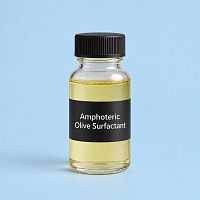
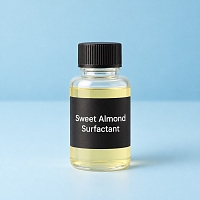
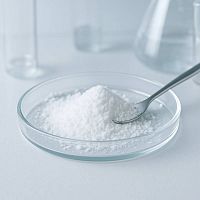
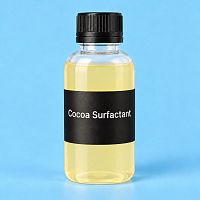
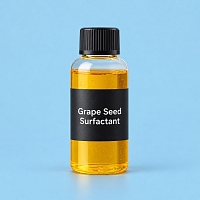
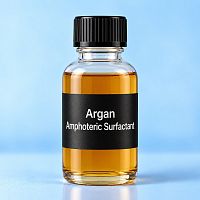
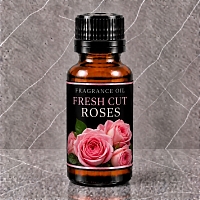


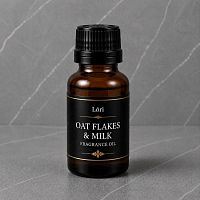
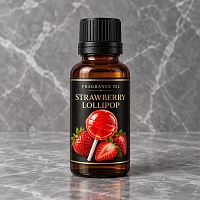


Raw materials for foaming soaks scrubs and fizzing blends
This section brings together raw materials used to formulate bath products such as salts, foaming bases, oils, butters, and functional powders. These components let formulators build soaking blends, fizzing mixtures, foaming washes, and scrub bases from a single wholesale source rather than sourcing each ingredient separately.
Formulators use these materials across a wide range of finished bath formats, from foaming bath whips and oil-based soaks to fizzing bombs and mineral-rich soak blends. A butter or oil chosen for a soak recipe can just as easily condition a body scrub, while a foaming base built for a bath whip may also work in a liquid wash. Some raw materials here overlap with our ingredients for bath bombs and fizzers, since fizzing action and effervescent texture both rely on similar functional powders.
Producers working at scale often pair these materials with flavor and texture components from our chocolate ingredient range when developing dessert-inspired bath collections, since cocoa butter and similar fats cross over between confectionery and skin care formulas.
Types of bath and scrub raw materials
Foaming bases differ mainly in how much lather they build and how gentle they feel on skin, which is why formulators often keep several grades on hand rather than relying on one. Butters and oils vary by melting point and texture, from firm solids used to anchor a fizzing bar to lighter fluid oils blended into a soak. Functional powders that create fizzing or texture differ in particle size and reaction speed, which changes how a finished bomb or scrub feels during use.
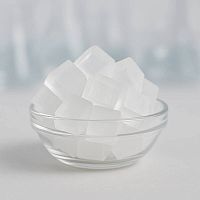
Some raw materials in this group are shared with our cold process soap ingredients, since fats and butters used in bar formulation often serve double duty in scrub bases. A firm base like Organic Soap Base 500 g can anchor a solid scrub bar, while a water soluble oil such as Water Soluble Olive Oil 25 ml disperses cleanly into a clear foaming wash without leaving an oily film.
Choosing components and building a formula
Selection usually starts with the finished texture in mind: a rich, creamy foam calls for a softening base, while a clear fizzing product needs powders that dissolve evenly without clumping. LAMESOFT 50 ml and its bulk counterpart LAMESOFT 1 L are used to soften foaming bases and improve skin feel, and producers scaling up production typically move from the small format to the liter size once a recipe is confirmed.
Plant extracts and glycerin round out these formulas by adding conditioning and humectant properties. Bidens Oil Extract 100 ml is often blended into soak oils and scrub bases for its traditional use in skin conditioning formulas, while Vegetable Glycerin 50 g helps keep fizzing blends and washes from drying out skin during use. Formulators experimenting with fragrance layering sometimes draw on our DIY perfume supplies to build custom scent profiles for these blends before finalizing a batch.
Origins and storage
Raw materials in this category come from a mix of sources, including England, Ukraine, the United States, and Germany, depending on the specific ingredient and its function. Oils and butters keep best in cool, dark storage away from direct heat, while powders used for fizzing should stay sealed and dry to prevent premature reaction. Checking supplier data for each batch helps formulators plan shelf life accurately when building larger production runs.
FAQ
What raw materials are used to make bath salts and foaming soaks
Common bases include mineral salt blends, foaming powders or liquid surfactant bases, functional oils and butters, and fine powders for texture or fizzing action. Formulators combine these according to whether the final product is a soak, a foaming whip, or a scrub.
What is the difference between a foaming bath base and a fizzing base
A foaming base is built around surfactants that generate lather in water, while a fizzing base relies on an acid and alkali reaction to produce bubbles. Some formulas blend both to combine visible fizz with a foaming finish.
Which oils and butters work best in scrub and soak formulas
Lighter oils absorb quickly and suit rinse-off scrubs, while richer butters leave more residual conditioning on skin, better suited to soaking blends. The right choice depends on the texture and skin feel the finished formula is meant to deliver.
Can the same raw materials be used across salts, scrubs and foaming bases
Yes, many oils, butters and functional powders in this section cross over between formats. A butter chosen for a soak blend can just as well condition a scrub base, which lets formulators standardize on fewer suppliers.
Recommendations
When selecting a base or blend from this range, match the texture and function to your finished format first, whether that means a fast-dissolving salt, a stable foaming base, or a conditioning oil for a scrub. Check how a material behaves in combination with the rest of your formula before scaling a batch. Reach out by email to confirm current stock and packaging options for the volumes your production requires.



