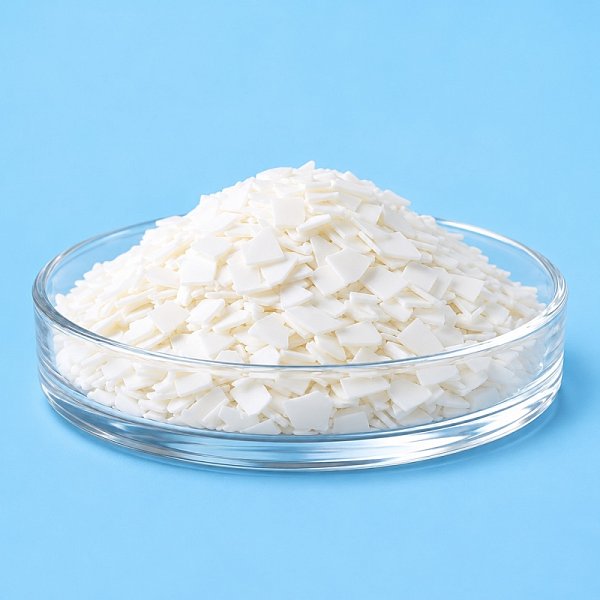
Baking soda sodium bicarbonate for cosmetics soap making household care food processing and industrial formulations
Baking soda, also known as sodium bicarbonate, is one of the most versatile mineral ingredients used in cosmetic manufacturing, soap making, bath products, household care, food processing and industrial production. It is valued for its mild alkaline properties, buffering capacity, deodorizing performance, gentle abrasive action and controlled carbon dioxide release when combined with acidic ingredients.
Manufacturers rely on baking soda because it is a stable, free-flowing crystalline powder that blends easily with dry ingredients, is simple to process and delivers consistent performance across a wide range of formulations. It can function as both a primary mineral ingredient and a supporting component in products requiring pH adjustment, effervescence, cleansing performance and powder stability.
Applications across industries
In cosmetic manufacturing, baking soda is incorporated into bath bombs, effervescent bath powders, cleansing powders, body scrubs, foot care products, deodorizing powders, mineral masks and rinse-off cosmetic formulations.
Soap manufacturers use sodium bicarbonate in decorative bath products, powdered bath blends and specialty effervescent formulations.
Household care manufacturers formulate baking soda into cleaning powders, cleaning pastes, kitchen cleaners, bathroom cleaners, carpet fresheners, refrigerator deodorizers, waste container treatments and multipurpose household cleaning products.
Within the food industry, sodium bicarbonate serves as a leavening agent, acidity regulator and functional processing ingredient for bakery products and numerous food formulations.
Industrial manufacturers include baking soda in buffering systems, technical powder blends and manufacturing processes requiring a mild alkaline environment.
Functional characteristics
Sodium bicarbonate is a mildly alkaline mineral compound. When combined with organic acids such as citric acid, it releases carbon dioxide, creating the well-known effervescent reaction. This characteristic makes it indispensable in bath bombs, effervescent powders, tablets and many bakery applications.
In water-based cosmetic formulations, baking soda increases pH, making formulation testing essential. Appropriate concentrations help maintain formulation balance, while excessive amounts may affect preservative systems, polymers, emulsions and finished product viscosity.
Its fine crystalline structure also provides gentle mechanical cleaning, making it suitable as a mild abrasive for many cosmetic and household products.
Compatibility
Baking soda is compatible with citric acid, tartaric acid, corn starch, kaolin, talc, sea salt, Epsom salt, sodium carbonate, sodium percarbonate, sodium sulfate, zeolites, powdered surfactants, cosmetic clays, botanical powders, plant extracts, fragrance oils, essential oils, cosmetic pigments and pearlescent powders designed for dry formulations.
For water-based cosmetic systems, compatibility should always be evaluated because sodium bicarbonate directly influences pH and may affect emulsifiers, preservatives, cosmetic polymers, active ingredients and formulation stability.
Recommended use levels
Bath bombs 40-70%
Effervescent powders 30-60%
Foot soaking products 20-60%
Cleaning powders 20-80%
Cleaning pastes 10-50%
Dry body scrubs 5-30%
Deodorizing formulations 20-90%
Buffer systems according to formulation requirements
Food products according to manufacturing standards
Cosmetic pH adjustment through laboratory evaluation
Sample effervescent bath powder
Baking soda 500 g
Citric acid 235 g
Corn starch 120 g
Fine sea salt 95 g
Apricot kernel oil 20 ml
Polysorbate 80 15 ml
Fresh cotton fragrance oil 5 ml
Cosmetic pearlescent pigment 2 g
Blend all dry ingredients until completely homogeneous. Premix the apricot kernel oil, Polysorbate 80 and fragrance oil before slowly incorporating the liquid blend into the powder mixture while continuously stirring to prevent premature activation.
The finished formulation remains free flowing, compresses easily into molds and stays stable until exposed to water. Once cured, the bath products develop a firm texture, uniform appearance, active effervescence and a pleasant fragrance release during use.
Appearance and storage
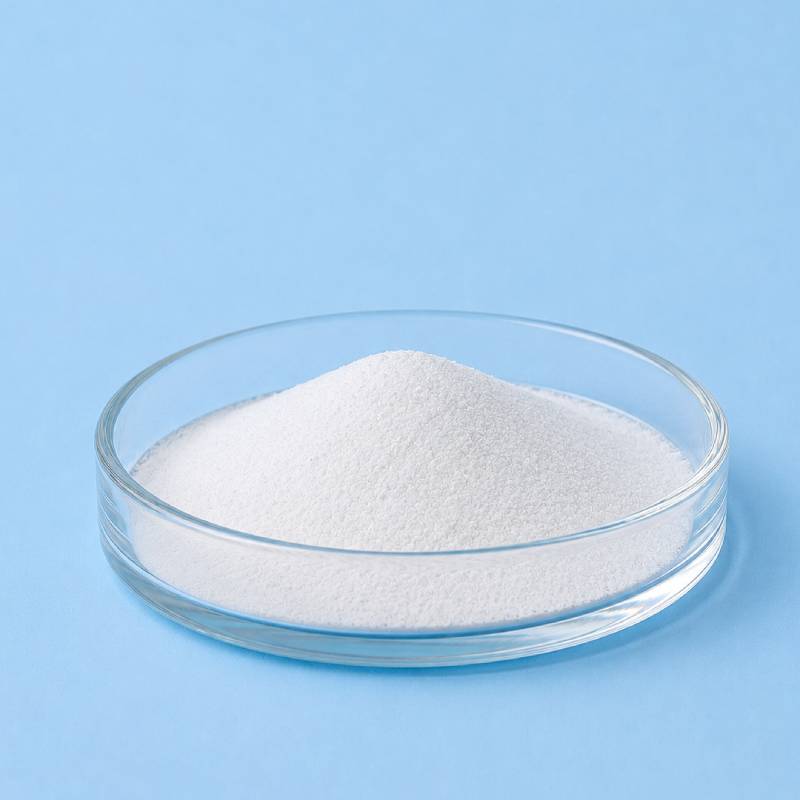
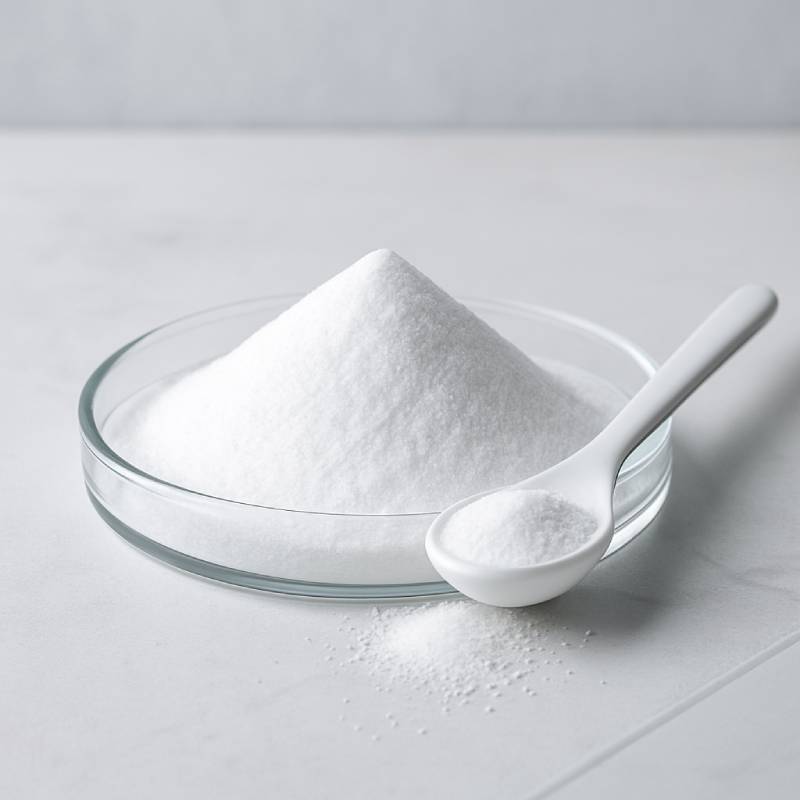
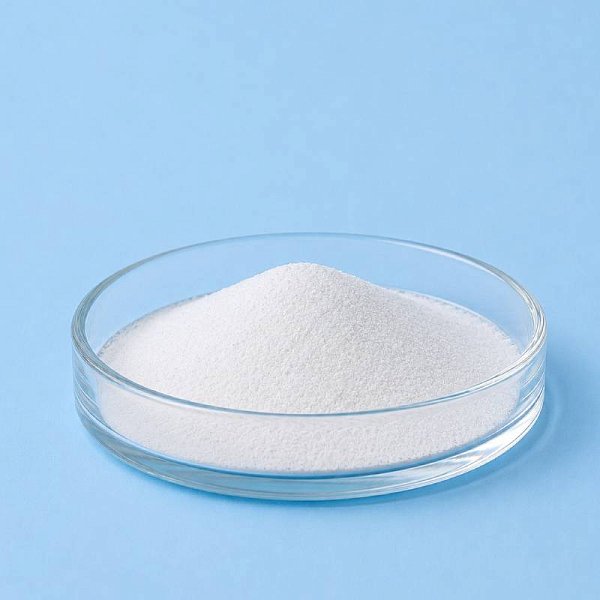
Baking soda is supplied as a fine white crystalline powder with virtually no odor. It dissolves readily in water, is insoluble in oils and readily absorbs moisture from the surrounding environment.
Store sodium bicarbonate in tightly sealed containers in a cool, dry location away from humidity, acidic materials, fragrance liquids and excessive heat. Proper storage preserves free-flowing characteristics, formulation consistency and long-term processing performance.
Baking soda continues to be one of the most reliable multifunctional mineral ingredients for cosmetic manufacturing, soap making, bath products, household care, food production and industrial formulations because of its excellent processing characteristics, broad compatibility with dry ingredients and dependable performance in both professional and large-scale manufacturing environments.