-
 Absolutes
-
 Active Complexes
-
 Actives & Peptides
-
 Amino Acids & Proteins
-
 Food Flavors
-
 Ayurvedic Ingredients & Herbs
-
 Vitamins & Coenzymes
-
 Chocolate Making Supplies
-
 Thickeners & Gelling Agents
-
 Hydrosols & Floral Waters
-
 Hydrolyzed Proteins
-
 Fragrance Ingredients
-
 Nutraceutical Ingredients
-
 Acids, Salts, Alcohols & Alkalis
-
 Preservatives & Antioxidants
-
 Cosmetic Ingredients
-
 Colorants, Micas & Glitters
-
 Masks, Scrubs & Botanicals
-
 Oils & Butters
-
 Candle Making Supplies
-
 Melt and Pour Soap Bases
-
 Cream, Lotion & Hair Care Bases
-
 Fragrance Oils & Industrial Aromatics
-
 Cleansing Agents & Surfactants
-
 Peeling Actives & Acids
-
 Cosmetic Powders
-
 Solvents & Humectants
-
 Silicones & Conditioning Agents
-
 Bottles, Jars & Vials
-
 Silicone & Plastic Molds, Tools
-
 Botanical Extracts
-
 Cosmetic Emollients
-
 Emulsifiers
-
 Essential Oils
Candle making raw materials
 Add to cart









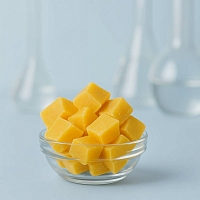


Core components for building custom candle formulas
This section brings together the base materials used to build candle formulas from the ground up, including waxes, additives, dyes, wicks and related components. Each item functions as a building block rather than a finished product, giving formulators control over melting behavior, scent throw, color depth and burn quality. The range suits small studio batches as well as larger production runs.
These raw materials are selected for their physical and chemical performance rather than a single fixed use, since the same wax base or additive can support many different candle styles and finishes. Formulators combine them with items from Candle Fragrance Oils to shape scent profiles, and pair them with tools and containers from Candle making supplies Wholesale to complete a finished piece. Together these materials cover the full technical foundation behind pouring, setting and finishing a candle.
Waxes, additives and wick types compared
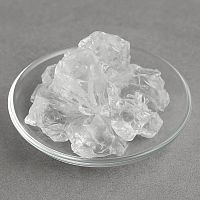
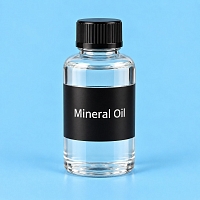
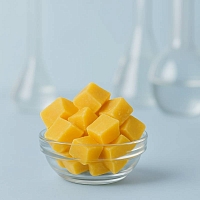
Paraffin remains a common backbone for many candle formulas because it melts at a predictable point and takes fragrance and dye evenly. Paraffin P-2 200 g and Paraffin P-2 500 g give formulators two batch sizes to test a recipe before scaling production up. Mineral oil is a related tool with a different role: rather than forming the candle body, it is blended in small amounts to soften a wax base, slow the set time or adjust surface finish, and Mineral Oil 50 ml is sized for exactly that kind of controlled testing.
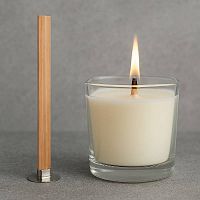
Wick diameter changes how a candle burns as much as the wax itself does. Thinner cotton wicks such as Candle wick 1.5 mm 10 m suit narrower vessels and softer wax blends, while thicker options like Candle wick 2 mm 1 m and the longer Candle wick 2 mm 10 m spool are built for wider pours or denser wax mixes that need a stronger, steadier flame to maintain a full melt pool.
Choosing components and pairing them in a formula
Selecting a wax and additive combination starts with the finish a formulator wants: a harder set for shipping stability, a softer texture for container pours, or a cleaner release for molded shapes. A Wick holder 10 pcs set keeps the wick centered while the wax sets, which matters most with softer blends that shift before they firm up. Wick gauge should always be matched to vessel width and wax hardness together, since a wick sized for paraffin can behave very differently in a softer additive blend.
Color depth is a separate variable from the wax base itself, and it is usually solved with dedicated pigments rather than by adjusting the wax formula. Formulators pair these base materials with dyes from Candle colorants to reach a target shade without affecting how the wax melts or how the wick draws fuel, keeping color and burn performance as two independent parts of the recipe.
Origins and storage
Materials in this range come from a mix of sources, including India, Ukraine, the United States, Poland, Germany, Malaysia and China, reflecting the different manufacturing bases behind waxes, oils and wick materials. Waxes and additives should be kept in a cool, dry space away from direct heat or sunlight, since warmth can soften blocks or cause paraffin to sweat before it is even melted for use. Wicks are best stored flat or loosely coiled to avoid kinks that can throw off how evenly a flame burns once the candle is poured.
FAQ
What is the difference between paraffin and other candle wax bases sold here
Paraffin offers a predictable melting point, even fragrance and dye uptake, and consistent burn quality, which makes it a common backbone for many formulas. Other wax bases in this range vary in hardness, scent throw and finish, so the right choice depends on the container, pour temperature and desired texture you are working toward.
How much fragrance oil can a wax base hold before it affects burn quality
Fragrance load depends on the wax type, additive package and wick pairing rather than a single fixed number. Testing a small batch first helps confirm that scent throw stays strong without causing sweating, frosting or an uneven flame once the candle is poured and cured.
Can these raw materials be combined across different suppliers or batches
Yes, waxes, additives, dyes and wicks are typically formulated to work together across batches, though minor variations between production runs can shift melting point or color depth slightly. Small test pours are the simplest way to confirm consistency before committing to a full production run.
How should candle wax and additives be stored before use
Keep wax blocks, additives and dyes in a dry area away from direct heat and sunlight, since temperature swings can affect texture and consistency over time. Sealed original packaging helps prevent moisture pickup and keeps color and additive performance stable until the material is used.
Recommendations
Choosing the right wax base or additive comes down to matching melting behavior, hardness and scent throw to the container, pour style and finish you are aiming for. Small test batches help confirm how a given combination performs before scaling up. For guidance on selecting a specific item or a larger production batch, reach out by email and describe your intended formula.



