What makes green afterglow powder a favorite among resin and decor artists
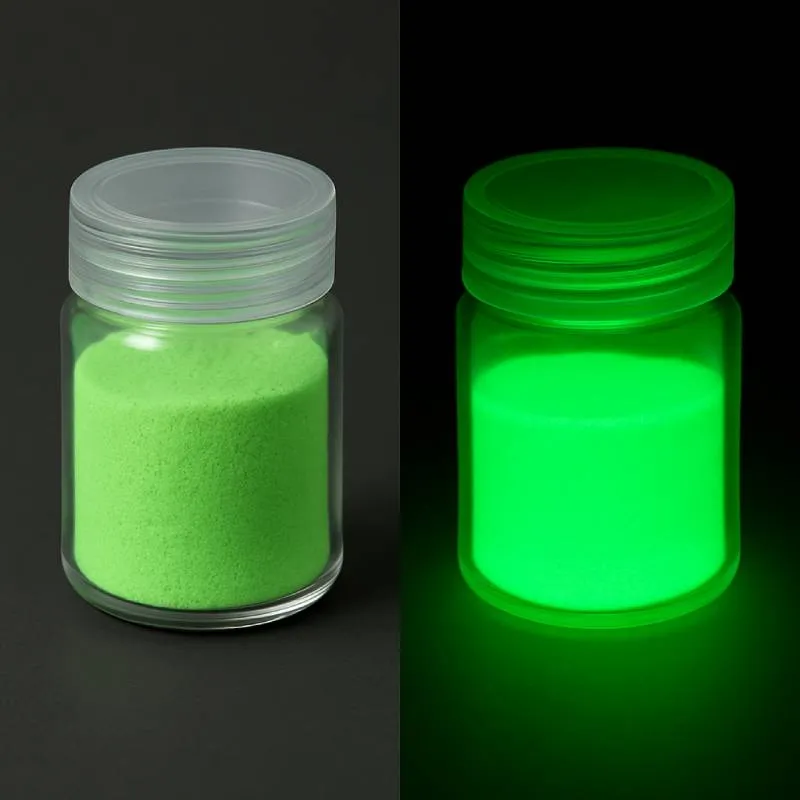
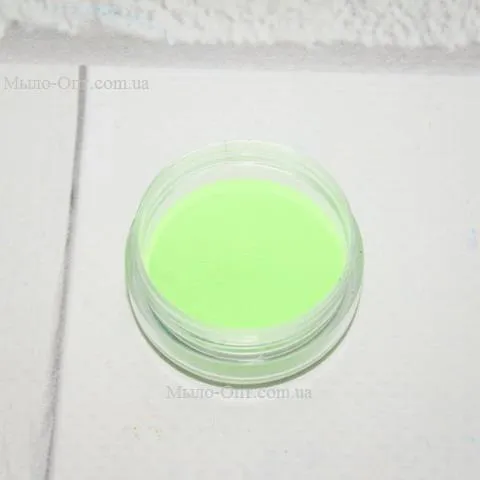
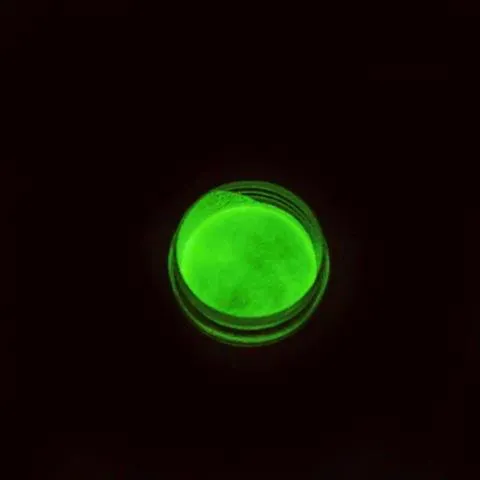
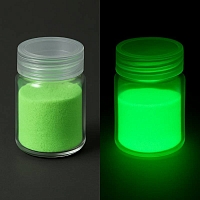
This fine green powder belongs to the Phosphors and Luminescent Powders category, which brings together pigments capable of absorbing light energy and slowly releasing it as a visible glow once the light source is removed. The 5 gram jar is a practical starting size for home crafters and small trial batches, letting you test glow intensity and material compatibility before committing to a larger production run.
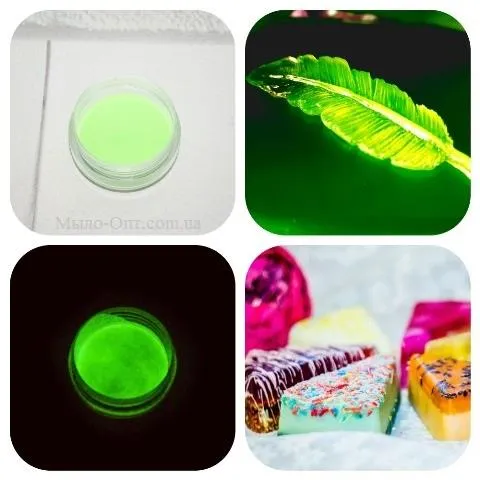
The biggest real-world demand for this type of powder comes from epoxy resin art - glowing rivers, pendants, coasters, clock faces and furniture inlays that look completely ordinary in daylight but reveal a bright green shimmer once the lights go off. Polymer clay projects form another major use case, with the powder blended directly into the clay before shaping beads, keychains and figurines. Candle makers also rely on this pigment, stirring it into melted wax once it has cooled to around 60-65 degrees Celsius, since higher heat can weaken the afterglow effect over time. In decorative cosmetics the powder finds its place in glitter gel polishes, body art and festive makeup looks, while in industrial and safety applications it appears in signage, novelty items, stickers and low-light marking elements.
In terms of compatibility, green luminescent powder performs best with transparent or semi-transparent carriers such as epoxy and polyester resin, silicone, gel formulas, and both water based and polyurethane lacquers. A typical starting dosage runs between 5 and 15 grams per 100 grams of base material, though the exact ratio should be fine-tuned through testing, since too much powder can reduce clarity and flow.
For custom glow tones, this green shade is frequently combined with other colors from the same line. Blending in a small amount of Light Green Glow in the Dark Powder – Phosphorescent Pigment, 5 g produces a softer, warmer glow, while pairing it with Blue Glow in the Dark Powder – Phosphorescent Pigment, 5 g shifts the tone toward a cool teal-green effect that works well for statement decor pieces. Once a trial batch confirms the desired result and production needs to scale up, moving to the Blue Glow in the Dark Powder – Phosphorescent Pigment, 50 g jar makes sense for larger pours and combined color runs.
Store the powder in a dry place away from direct sunlight, in a tightly sealed container, since moisture and prolonged UV exposure gradually reduce brightness and glow duration. With proper storage and correct dosing, the pigment keeps its performance stable over an extended period of use.
Glowing resin coaster set
Clear epoxy resin 40 g
Hardener 20 g
Green Glow in the Dark Powder 2 g
Silicone coaster mold 1 pc
Mix the resin and hardener together in a clean container until fully combined and free of streaks, then gradually sprinkle in the glow in the dark powder while stirring continuously until the color is evenly distributed with no visible clumps. Once fully hardened, remove the coaster from the mold and expose it briefly to a bright light source to activate a strong glow in darkness.
Frequently asked questions
How much green phosphor powder goes into resin for glowing rivers?
Start at 1.5 percent and raise to 5 percent based on the resin mix. Stir thoroughly before pouring. The 5 g pack lets you test glow strength on a small batch.
Where should the 5 g green phosphor be kept after opening?
Store the tightly closed container in a clean dry place. The powder remains usable until December 2041. Keep moisture away at all times.
Is the 5 g pack of green phosphor enough for candle tests?
Yes, it suits trial batches before full production. Add the powder to wax cooled to 60-65 degrees. Larger runs require bigger packs.
Can I obtain a COA for this green phosphor batch?
COA is available on request. Provide the product details when asking. The document lists all measured characteristics.