-
 Absolutes
-
 Active Complexes
-
 Actives & Peptides
-
 Amino Acids & Proteins
-
 Food Flavors
-
 Ayurvedic Ingredients & Herbs
-
 Vitamins & Coenzymes
-
 Chocolate Making Supplies
-
 Thickeners & Gelling Agents
-
 Hydrosols & Floral Waters
-
 Hydrolyzed Proteins
-
 Fragrance Ingredients
-
 Nutraceutical Ingredients
-
 Acids, Salts, Alcohols & Alkalis
-
 Preservatives & Antioxidants
-
 Cosmetic Ingredients
-
 Colorants, Micas & Glitters
-
 Masks, Scrubs & Botanicals
-
 Oils & Butters
-
 Candle Making Supplies
-
 Melt and Pour Soap Bases
-
 Cream, Lotion & Hair Care Bases
-
 Fragrance Oils & Industrial Aromatics
-
 Cleansing Agents & Surfactants
-
 Peeling Actives & Acids
-
 Cosmetic Powders
-
 Solvents & Humectants
-
 Silicones & Conditioning Agents
-
 Bottles, Jars & Vials
-
 Silicone & Plastic Molds, Tools
-
 Botanical Extracts
-
 Cosmetic Emollients
-
 Emulsifiers
-
 Essential Oils


Candle Making Supplies

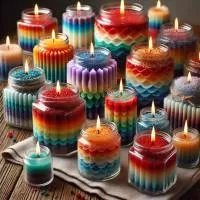
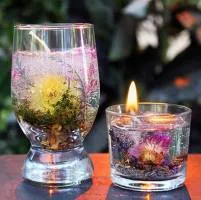
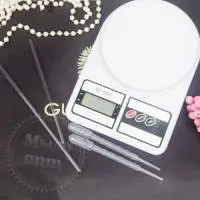

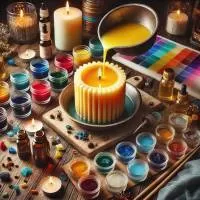

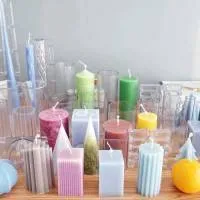

Raw materials for candle making projects of any scale
This section brings together the core components used to formulate and finish candles, from base waxes and wicks to dyes, additives, and containers. It suits makers working on a small scale as well as production lines that need consistent volumes of the same raw materials batch after batch.
These components are chosen for how they behave once melted, poured, and cooled, since texture, burn quality, and appearance all depend on the specific blend and additives used. Many items double as functional tools for shaping and finishing a poured product, not just decorative extras, which is why formulators often mix and match across several categories within this range rather than sticking to one type of wax or one colorant. For those scaling up, the candle making supplies wholesale range covers larger volumes of the same core materials.
Scent carriers deserve separate attention, since fragrance behaves differently depending on the wax base and pour temperature. The candle fragrance oils selection is built to work across different wax types, giving makers room to test combinations before committing to a larger production run.
Wax bases, wicks, and finishing materials
Within this range, the main split is between the wax itself and everything used to finish and shape it. Wax bases differ in melting behavior, density, and how well they hold fragrance and color, which is why the candle making raw materials group covers several types side by side rather than a single formulation. Wicks, meanwhile, are matched to container width and wax type, since an undersized or oversized wick changes burn pool size and how cleanly a candle finishes.
Color is its own category with distinct behavior in wax. Liquid dyes disperse evenly for translucent finishes, while dye blocks and chips give more concentrated, opaque results that hold up in larger pours. The candle colorants selection is built around this range, and for makers who also work with cosmetic bases, the same visual logic carries over to the dyes, pearlescents, and glitters range used across other decorative applications.
Choosing components and building a fragrance profile
Picking the right wax and wick pairing starts with the container shape and the intended burn time, then works outward to fragrance load and dye concentration. A denser wax generally carries a heavier scent load without sweating, while softer blends may need a lower percentage to stay stable through a full burn.
Fragrance selection follows a similar logic across profiles rather than one fixed pairing. A gourmand base like Vanilla Candle Fragrance Oil, 100 ml or the larger Vanilla Candle Fragrance Oil, 1 L works well layered with lighter florals, while a softer option such as Chamomile Candle Fragrance Oil, 100 ml or its 1 L counterpart suits calmer, single-note pours. Richer profiles like Chocolate Candle Fragrance Oil 100 ml, the 1 L version, Coffee Candle Fragrance Oil 100 ml, and Coffee Candle Fragrance Oil 1 L tend to perform best as a dominant note rather than blended in equal parts with lighter oils. The broader fragrance oils range extends this same logic to profiles used across other product types, not candles alone.
Sourcing, tools, and storage
Materials in this range come from a mix of origins, including Germany, the United States, India, China, Ukraine, Poland, and Malaysia, reflecting the different specialties each supplier base brings to wax refinement, additives, and dye production.
Beyond the raw materials themselves, finishing a batch reliably depends on having the right tools and shaping equipment on hand. The candle making tools and candle making molds subsections cover this side of production, while broader packaging and inventory needs are addressed in the molds, packaging, tools section. Waxes and fragrance oils are best kept away from direct heat and sunlight, in a stable, dry space, since temperature swings affect both texture and how evenly a scent carries through the finished product. Some formulators working with skin-adjacent finishing touches also draw on the face masks, scrubs, and dried flowers range for decorative inclusions.
FAQ
What is the difference between soy wax and paraffin wax for candle making
Soy wax burns cooler and holds less fragrance load than paraffin, while paraffin gives stronger scent throw and cleaner tops when poured correctly. Many makers blend both to balance burn time, scent release, and finished appearance depending on the container and wick used.
How do I choose the right wick size for a candle
Wick size depends on wax type, container diameter, and additive load such as dye or fragrance concentration. A wick that is too thin causes tunneling, while an oversized wick produces excess soot and a large flame, so testing a small batch before full production is recommended.
Can candle dyes and fragrance oils be used in other wax based projects
Yes, most dyes and fragrance oils in this range are formulated to disperse evenly in melted wax regardless of the final poured shape, so the same batch of colorant or scent can serve multiple product lines rather than being limited to one container style.
How should wax and additives be stored before use
Keep wax blocks, flakes, and additives in a dry space away from direct heat and sunlight, ideally below room temperature spikes, since prolonged heat exposure can soften wax or shift its texture before melting. Sealed original packaging helps prevent moisture absorption during storage.
What causes frosting or uneven color on the surface of a poured candle
Frosting usually appears with natural waxes as they cool and crystallize, and it can be reduced by adjusting pour temperature or adding a small percentage of compatible additive. Uneven color often comes from underheating dye before mixing or pouring at inconsistent temperatures across a batch.
Can the same fragrance oil be used with different wax bases
Most fragrance oils in this range are tested to blend into several wax types, though scent throw and hot versus cold performance can vary by base. Running a small test pour with the intended wax and container is the most reliable way to confirm the result before a larger production run.
Recommendations
When selecting wax, wicks, dyes, or fragrance oils from this range, start with the container size and finished look you are aiming for, since pour temperature and cooling rate affect texture and surface quality more than any single ingredient. Match wick thickness to the wax blend and fragrance load rather than choosing by container diameter alone, and keep notes on ratios that work well for repeat batches. For production runs, ordering consistent lots of the same wax and additive batch helps keep color, scent throw, and burn quality uniform across a full run. Orders are handled by email, with assembly typically taking three to five business days depending on order size and current volume.

This section is still empty
You can go back to the catalog page or use the navigation or search on the site.
Home page- Абсолюты
- Активные комплексы
- Активы и пептиды
- Аминокислоты
- Ароматизаторы пищевые
- Аюрведа
- Витамины
- Все для шоколада
- Гелеобразователи и загустители
- Гидролаты
- Гидролизаты протеинов
- Душистые и ароматические вещества
- Ингредиенты для нутрицевтики
- Кислоты, Соли, Спирты, Щелочи
- Консерванты и Антиоксиданты
- Косметические ингредиенты
- Красители, Перламутры и Глиттеры
- Маски для лица, скрабы, сухоцветы
- Масла и баттеры
- Материалы для свечей
- Мыльная основа
- Основа для косметики, крема, сыворотки, шампуня
- Отдушки
- ПАВы, поверхностно-активные вещества
- Пилинги
- Порошки и Пудры
- Растворители и увлажнители
- Силиконы и кондиционирующие ПАВы для волос
- Тара для косметики и парфюмерии
- Формы, упаковка, разное
- Экстракты
- Эмоленты
- Эмульгаторы
- Эфирные масла


