-
 Absolutes
-
 Active Complexes
-
 Actives & Peptides
-
 Amino Acids & Proteins
-
 Food Flavors
-
 Ayurvedic Ingredients & Herbs
-
 Vitamins & Coenzymes
-
 Chocolate Making Supplies
-
 Thickeners & Gelling Agents
-
 Hydrosols & Floral Waters
-
 Hydrolyzed Proteins
-
 Fragrance Ingredients
-
 Nutraceutical Ingredients
-
 Acids, Salts, Alcohols & Alkalis
-
 Preservatives & Antioxidants
-
 Cosmetic Ingredients
-
 Colorants, Micas & Glitters
-
 Masks, Scrubs & Botanicals
-
 Oils & Butters
-
 Candle Making Supplies
-
 Melt and Pour Soap Bases
-
 Cream, Lotion & Hair Care Bases
-
 Fragrance Oils & Industrial Aromatics
-
 Cleansing Agents & Surfactants
-
 Peeling Actives & Acids
-
 Cosmetic Powders
-
 Solvents & Humectants
-
 Silicones & Conditioning Agents
-
 Bottles, Jars & Vials
-
 Silicone & Plastic Molds, Tools
-
 Botanical Extracts
-
 Cosmetic Emollients
-
 Emulsifiers
-
 Essential Oils
- Absolutes 55
- Active Complexes 265
- Actives & Peptides 4860
- Amino Acids & Proteins 71
- Food Flavors 2097
- Ayurvedic Ingredients & Herbs 220
- Vitamins & Coenzymes 108
- Chocolate Making Supplies 109
- Thickeners & Gelling Agents 101
- Hydrosols & Floral Waters 139
- Hydrolyzed Proteins 87
- Fragrance Ingredients 44
- Nutraceutical Ingredients 797
- Acids, Salts, Alcohols & Alkalis 112
- Preservatives & Antioxidants 132
- Cosmetic Ingredients 8494
- Colorants, Micas & Glitters 1423
- Masks, Scrubs & Botanicals 1259
- Oils & Butters 1711
- Candle Making Supplies 542
- Melt and Pour Soap Bases 341
- Cream, Lotion & Hair Care Bases 89
- Fragrance Oils & Industrial Aromatics 6527
- Cleansing Agents & Surfactants 140
- Peeling Actives & Acids 57
- Cosmetic Powders 325
- Solvents & Humectants 37
- Silicones & Conditioning Agents 91
- Bottles, Jars & Vials 3927
- Silicone & Plastic Molds, Tools 6071
- Botanical Extracts 3614
- Cosmetic Emollients 108
- Emulsifiers 304
- Essential Oils 606


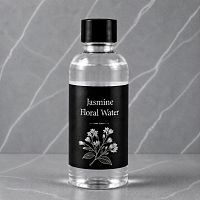
Hydrosols & Floral Waters
 Add to cart
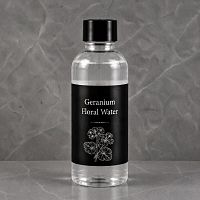
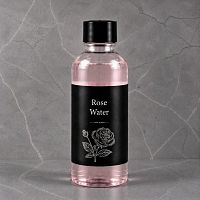
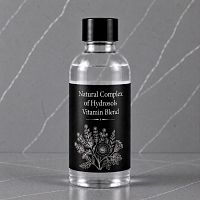
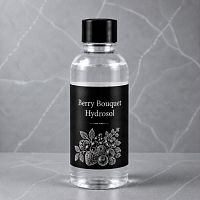
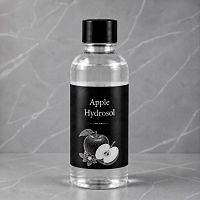
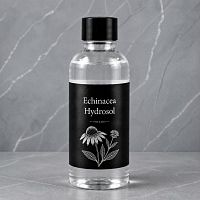
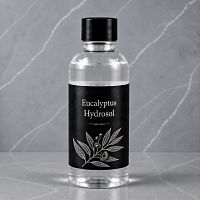
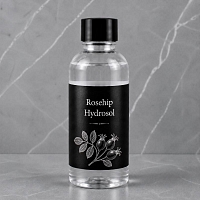
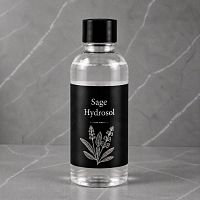
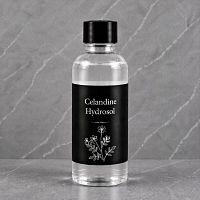
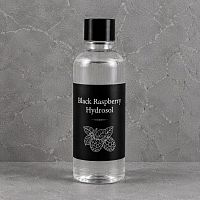
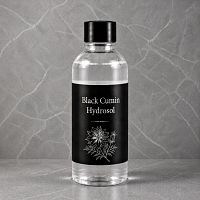
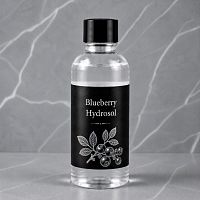
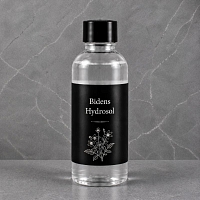
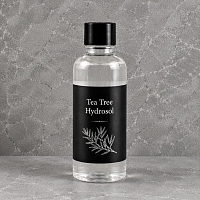
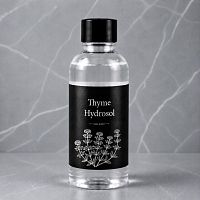
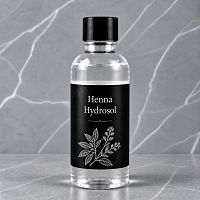
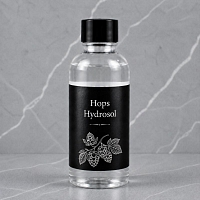
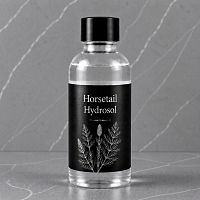
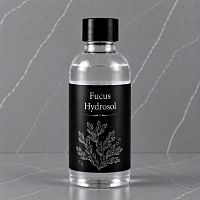
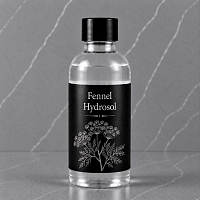
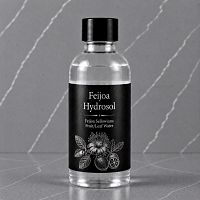
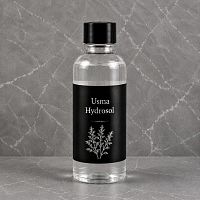
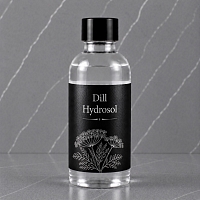
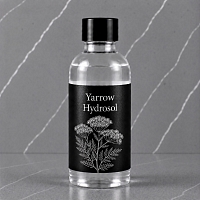
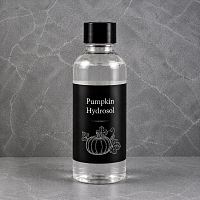
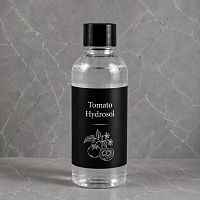
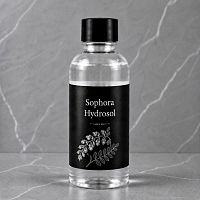
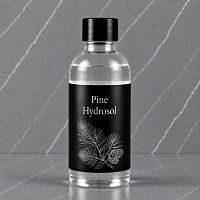
Hydrosols natural botanical base for cosmetics and wellness
Origin and benefits
Hydrosols are aromatic floral waters obtained through steam distillation of fresh plants.
They contain the essence of the plant in a gentle water form rich in vitamins and antioxidants.
Each hydrosol carries its own action — peppermint refreshes, aloe soothes, rose rejuvenates, chamomile calms.
This category covers hydrolates — natural aqueous distillates derived from plants, flowers, leaves, roots and fruits, widely used in cosmetics, spa care, aromatherapy and natural formulations. Hydrolates offer a gentle aroma, bioavailability and delicate action on skin, making them useful in toners, mists, lotions, masks and care products — especially for sensitive skin. These ingredients are also applied in wellness concepts and handmade products that value natural profiles, ingredient compatibility and stable aroma expression.
Hydrolates integrate smoothly into formulations with actives, extracts, oils, surfactants and emulsifiers, helping boost hydration, deliver mild scent and enhance overall sensory quality without aggressive impact. For professional use and scalable production, certificates of analysis, specifications, compliance declarations and applicable international certificates are available where relevant.
Common questions about hydrolates
Question: What is a hydrolate and how is it different from essential oil
Answer: A hydrolate is an aqueous distillate from plant material obtained through steam distillation, containing water soluble aromatic and biological constituents. It differs from essential oils by having a gentler aroma, lower concentration of volatiles and more water-affinity, making it suitable for direct use in water based applications.
Question: Where are hydrolates most commonly used
Answer: Hydrolates are used in facial toners, mists, lotions, masks, sensitive skin care, baby care, spa products and natural formulations where mild effect, hydration and subtle scent are desired. They are also used as a base for diluting actives and extracts.
Question: How do formulators choose a hydrolate for skin type
Answer: Selection depends on desired outcome: some hydrolates are better for tone and hydration, others for comfort in sensitive or irritated skin, and some may support balance in oilier skin profiles. They are often blended with other mild components for improved performance.
Question: Can hydrolates be used for hair care
Answer: Yes, hydrolates can be incorporated in hair mists and scalp care products to support softness, balance and mild scent, without aggressive surfactants or ingredients. Compatibility with other formulation elements should still be evaluated.
Question: What documentation supports professional and export use
Answer: Key documents include certificates of analysis, product specifications, compliance declarations and applicable international certificates. These support quality control and help align hydrolates with manufacturing and export requirements.
Applications
• Cosmetics — creams, lotions, toners, cleansers
• Haircare — conditioners, masks, sprays
• Spa and aromatherapy — relaxing rituals and detox treatments
• Handmade — soaps, serums, balms, floral mists
Example of toner formula
Rose hydrosol – 50 ml
Lavender hydrosol – 30 ml
Glycerin – 3 ml
Panthenol – 0 5 g
Preservative – 0 8 g
Mix well and store in a dark bottle. A mild hydrating toner with floral aroma is ready.
Advantages
• 100 % natural and safe plant origin
• Suitable for all skin and hair types
• Eco friendly and vegan approved
• Compatible with cosmetic and spa bases
• Wholesale and worldwide supply
Conclusion
Hydrosols from Mylo Opt represent pure botanical care for modern formulations.
They are ideal for brands, formulators and craft makers creating eco cosmetics, spa products and handmade collections for global export.



