-
 Absolutes
-
 Active Complexes
-
 Actives & Peptides
-
 Amino Acids & Proteins
-
 Food Flavors
-
 Ayurvedic Ingredients & Herbs
-
 Vitamins & Coenzymes
-
 Chocolate Making Supplies
-
 Thickeners & Gelling Agents
-
 Hydrosols & Floral Waters
-
 Hydrolyzed Proteins
-
 Fragrance Ingredients
-
 Nutraceutical Ingredients
-
 Acids, Salts, Alcohols & Alkalis
-
 Preservatives & Antioxidants
-
 Cosmetic Ingredients
-
 Colorants, Micas & Glitters
-
 Masks, Scrubs & Botanicals
-
 Oils & Butters
-
 Candle Making Supplies
-
 Melt and Pour Soap Bases
-
 Cream, Lotion & Hair Care Bases
-
 Fragrance Oils & Industrial Aromatics
-
 Cleansing Agents & Surfactants
-
 Peeling Actives & Acids
-
 Cosmetic Powders
-
 Solvents & Humectants
-
 Silicones & Conditioning Agents
-
 Bottles, Jars & Vials
-
 Silicone & Plastic Molds, Tools
-
 Botanical Extracts
-
 Cosmetic Emollients
-
 Emulsifiers
-
 Essential Oils
- Water-Soluble Oils Wholesale 25
- Bulk Liquid Oils 301
- Natural Oil Complexes Wholesale 58
- Bulk Oils 27
- Herbal Oil Extracts and Infusions Wholesale 16
- Massage Oils Wholesale 18
- Macerated Oils Wholesale 30
- Carrier Oil Blends Wholesale 71
- Solid Oils and Butters Wholesale 78
- Solid Oils and Butters Bulk Wholesale 10
- Fermented Oils Wholesale 8
- Natural Essential Oils Wholesale 769
Fermented Oils Wholesale

 Add to cart


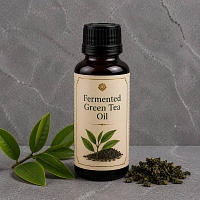


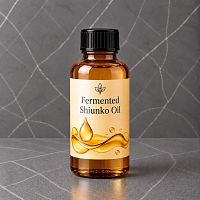
How fermentation changes oil texture and absorption
Fermented oils are plant oils processed through a controlled fermentation stage that breaks down larger molecular structures before the oil reaches your formulation bench. This step is used to produce lighter, faster absorbing oils for serums, facial oils, creams, and lightweight emulsions. The catalog covers a range of fermented oil types suited to both small batch and industrial cosmetic production.
Formulators reach for fermented oils when a recipe calls for quick skin penetration without a heavy residual film, which matters in facial serums, night products, and multi phase emulsions where texture is part of the product experience. The same oils also work well blended into lotion bases or combined with actives that benefit from a faster delivery carrier. For test formulations, you can buy fermented oils at retail in small packs. Related raw materials are collected in the fermented extracts wholesale section.
Because fermentation can shift viscosity and scent compared to the raw oil, many manufacturers pair fermented oils with standard vegetable oils or blend them into richer bases using solid oils and butters to balance the final formula weight and finish.
Types of fermented oils and how they differ
Not every fermented oil behaves the same way on skin. Some retain more of the original fatty acid profile and simply carry a thinner, faster spreading texture, while others undergo a deeper breakdown that leaves them almost dry to the touch once applied. This range is what lets formulators pick a specific fermented oil for a specific sensory target rather than treating the category as one interchangeable ingredient.
Absorption speed, residual finish, and scent intensity are the three main variables that shift from one fermented oil to another. A version meant for a lightweight day serum will read very differently on the skin than one intended as a carrier for a heavier night product, even though both started from a similar raw plant oil before fermentation.
How to choose the right one and what it pairs with
Start with the finish you need in the finished product. Fast penetrating, low residue oils suit facial serums and multi phase emulsions, while slightly richer fermented oils work better in creams that still need some cushion on the skin. Matching the oil to the product's intended texture avoids reformulating later in the process.
Fermented oils are frequently blended rather than used alone. Combining them with base oil blends can round out a formula's overall skin feel, and adding a small percentage of natural essential oils is a common way to adjust the finished scent profile once fermentation has softened the original aroma. For formulas built around plant extracts, macerates and herbal oil extracts and infusions bring complementary plant actives into the same base without competing with the fermented oil's own texture.
Where a formula needs both oil soluble and water soluble phases, pairing a fermented oil with water soluble oils helps bridge the two phases more smoothly. For creams or balms that need more structure, blending in solid oils and butters restores body that fermentation and lighter blending can otherwise strip out.
Sourcing, batch volumes, and formulation notes
Manufacturers scaling up a formula from a lab batch to a production run often look at bulk oils to keep supply consistent across larger orders, while smaller studios can order in the volumes suited to their own production pace. For brands building a signature base around several plant oils at once, natural oil complexes offer a preassembled starting point that can be adjusted with a fermented oil for a different absorption profile.
Fermented oils should be stored in tightly sealed containers away from direct light and heat, since oxidation affects both scent and performance over time. Checking texture and smell before each production run helps catch any changes early, particularly once a container has been opened and used across several formulation batches.
Properties of fermented oils and wholesale supply parameters
Fermented oils are produced from plant raw materials after controlled microbial processing. Compared with regular cold-pressed oils they show lower viscosity and a modified fatty acid profile with a higher share of shorter chains. This affects oxidative stability: such oils oxidize faster upon air exposure and therefore require storage in sealed containers at temperatures up to 25 °C.
Wholesale deliveries start from minimum batches of 5-10 kg in canisters or 25-200 kg in drums. The documents list acid value, peroxide value and impurity levels, ensuring batch-to-batch consistency in cosmetic emulsion manufacturing.
Recommendations
When choosing a fermented oil for a specific formula, match the absorption profile to your product type: lighter grades suit serums and facial oils, while blended options work better in creams and lotion bases. Check scent intensity and viscosity notes before committing to a full batch size, since fermentation can vary these traits between production runs. For sourcing guidance, batch samples, or bulk order questions, reach out to our team by email and we will help match the right grade to your formulation.
Formulators working with cosmetic ingredients often explore the potential of fermented oil in their projects. A fermented plant oil may offer improved bioavailability in various formulations according to available documentation. This ensures that decisions are based on verified information from the supplier. Such materials allow for tailored approaches in creating blends that meet specific needs while maintaining consistency through documented batch data.
FAQ
What makes fermented oils different from regular cold pressed oils?
Fermentation breaks down larger molecular chains, resulting in lower viscosity and altered fatty acid composition. The oils become more prone to oxidation than standard cold-pressed versions and need tighter storage controls.
Which formulations work best with fermented oils?
Fermented oils are added to the oil phase of serums, creams and emulsions. They are frequently blended with standard carrier oils to adjust final texture because their lighter structure absorbs faster.
What quality documents are provided with wholesale batches?
Current documents are listed in the «Documents» block of each product card.
What is the minimum order size for wholesale fermented oils?
Minimum batches begin at 5 kg in canisters. Larger volumes are available in 25-200 kg drums, with full documentation supplied for every lot to maintain production repeatability.



