-
 Absolutes
-
 Active Complexes
-
 Actives & Peptides
-
 Amino Acids & Proteins
-
 Food Flavors
-
 Ayurvedic Ingredients & Herbs
-
 Vitamins & Coenzymes
-
 Chocolate Making Supplies
-
 Thickeners & Gelling Agents
-
 Hydrosols & Floral Waters
-
 Hydrolyzed Proteins
-
 Fragrance Ingredients
-
 Nutraceutical Ingredients
-
 Acids, Salts, Alcohols & Alkalis
-
 Preservatives & Antioxidants
-
 Cosmetic Ingredients
-
 Colorants, Micas & Glitters
-
 Masks, Scrubs & Botanicals
-
 Oils & Butters
-
 Candle Making Supplies
-
 Melt and Pour Soap Bases
-
 Cream, Lotion & Hair Care Bases
-
 Fragrance Oils & Industrial Aromatics
-
 Cleansing Agents & Surfactants
-
 Peeling Actives & Acids
-
 Cosmetic Powders
-
 Solvents & Humectants
-
 Silicones & Conditioning Agents
-
 Bottles, Jars & Vials
-
 Silicone & Plastic Molds, Tools
-
 Botanical Extracts
-
 Cosmetic Emollients
-
 Emulsifiers
-
 Essential Oils
- Antioxidants 122
- Biocides 12
- Hydrosols (Hydrolates) 11
- Hydrocolloids for Cosmetics 10
- Others 70
- Fragrant Waters for Cosmetics 26
- Mineral Cosmetic Ingredient 194
- Functional Components 5134
- Corneotherapy 17
- Liposomes for Cosmetics 21
- Minerals 76
- pH Neutralizers/Correctors 20
- Resins and Resinoids 17
- UV and SPF Filters for Cosmetics 95
- Fruit Powders 15
- Chemical Raw Materials 155
- Enzymes, Filtrates, and Lysates 26
- Cargill France SAS – Oils and Actives 10
- BASF Cognis Care Chemicals 12
- Vitamins & Coenzymes Wholesale 156
- Bulk Waxes for Cosmetics 61
- Others Wholesale 89
- Acids, Salts, Alcohols & Alkalis Wholesale 136
- Cosmetic Ingredients Wholesale 2549
- Food grade raw materials wholesale 13
- Fruit Powders in Bulk 23
- Antioxidants bulk 1
- Acids and Alkalis Wholesale 17
- Preservatives Bulk 5
- Bulk Surfactants 3
- Emulsifiers Bulk 14
- Hydrosols Bulk 210


Others

 Add to cart


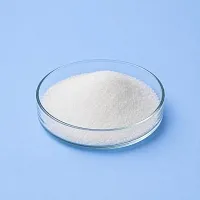

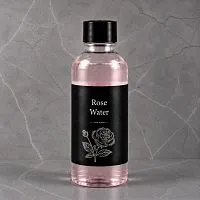
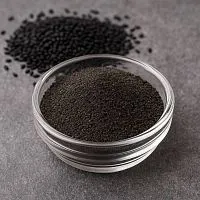


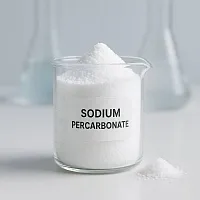
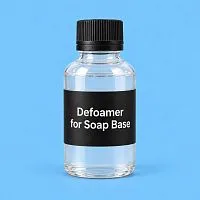
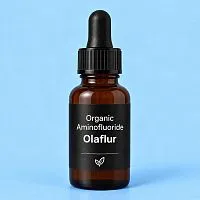


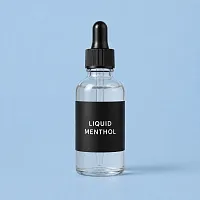

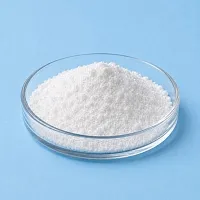


Uncommon raw materials for niche formulation tasks
This section brings together specialty raw materials that do not fit neatly into the main ingredient groups but still play a functional role in cosmetic formulation. It covers a mix of components used for texture adjustment, sensory finishing, minor formulation support, and other technical tasks that come up when developing creams, lotions, serums, or emulsions.
These materials are typically added in small quantities to fine tune a finished formula rather than to form its base. They can help adjust consistency, appearance, or handling properties during production, working alongside the core ingredients found in sections like Functional Components.
Because this group covers a broad and varied set of items, formulators often browse it alongside the wider Cosmetic Ingredients Wholesale range to find a complete set of components for a batch, whether the production scale is a small home workshop or a larger manufacturing line.
Categories and distinguishing features
The items grouped here span several functional categories rather than one uniform type of material. Mineral salts such as Potassium Alum 100 g are valued for their astringent and clarifying behavior in aqueous phases, while cooling actives like Menthol crystals 10 g deliver a sensory effect that formulators dose in very small percentages.
Other materials in this group work on texture rather than sensation. Polyols such as Sorbitol 50 ml and sugars like Fructose 100 g influence humectancy and mouthfeel, whereas an ester such as Isopropyl Palmitate 50 g is chosen for its light spreading quality and ability to soften the finish of an emulsion. A prepared concentrate such as the Merck KGaA Ready Base 3 mg / ml 50 ml shows how some entries arrive already standardized, saving a formulator a separate weighing and dilution step.
Choosing a component and building a compatible batch
The main selection criterion is the technical role the material needs to play in a given formula, not the label on the package. A cream aiming for a cooling skin feel will call for a very different rate and carrier than a lotion built around improved spreadability, so checking recommended usage levels before scaling a batch is worth the time.
Compatibility with the rest of the formula matters as much as the raw material itself. Many of these specialty additions are diluted or dispersed in Distilled water purified 100 ml before being blended into the batch, which helps keep dosing accurate at small trial volumes. For projects that also require thickening or occlusive properties, it is common to pair items from this section with the Bulk Waxes for Cosmetics range, combining a texture modifier here with a structuring wax there.
Origin, packaging and storage
Stock in this section is sourced from a mix of countries, including Ukraine, Germany, China, France, the United Kingdom, Italy, Spain and India, so buyers comparing similar materials can usually find more than one origin option. Pack sizes tend to be modest, from ten grams up to around one hundred grams or milliliters, which suits both a home workshop testing a new formula and a manufacturing line running a controlled trial batch before scaling up production.
Storage needs vary by material type. Crystalline solids and salts generally keep well in a cool, dry, tightly closed container away from direct light, while diluted or ready made concentrates are best kept refrigerated once opened to preserve their stated concentration over time.
FAQ
What kinds of raw materials are included in this section
This section groups specialty items that support texture, appearance, or handling in a formula rather than forming its base, such as mineral salts, minor additives, and other technical components used in small quantities across creams, lotions, serums, and emulsions.
How much of these materials should be used in a formula
Because these are typically fine tuning components rather than base ingredients, they are usually added in small proportions. Exact usage depends on the specific material and the formulation goal, so checking supplier guidance for each item is recommended.
Can these materials be combined with core formulation ingredients
Yes, items in this section are designed to work alongside core ingredients such as oils, emulsifiers, and actives. They are generally added to adjust consistency, finish, or stability rather than to replace the main components of a recipe.
How should these raw materials be stored
Most of these materials should be kept in a cool, dry place away from direct sunlight and moisture, with containers sealed tightly between uses. Specific storage needs can vary by material type, so checking individual product details is worthwhile.
Recommendations
When picking a specific item from this section, match it to the exact function you need in your formula, whether that is texture adjustment, finish, or a minor technical task, rather than choosing by category alone. For larger batches, order a small test quantity first to confirm how the material behaves in your process. Our team is reachable by email to help you select the right item and quantity for your production scale.


