-
 Absolutes
-
 Active Complexes
-
 Actives & Peptides
-
 Amino Acids & Proteins
-
 Food Flavors
-
 Ayurvedic Ingredients & Herbs
-
 Vitamins & Coenzymes
-
 Chocolate Making Supplies
-
 Thickeners & Gelling Agents
-
 Hydrosols & Floral Waters
-
 Hydrolyzed Proteins
-
 Fragrance Ingredients
-
 Nutraceutical Ingredients
-
 Acids, Salts, Alcohols & Alkalis
-
 Preservatives & Antioxidants
-
 Cosmetic Ingredients
-
 Colorants, Micas & Glitters
-
 Masks, Scrubs & Botanicals
-
 Oils & Butters
-
 Candle Making Supplies
-
 Melt and Pour Soap Bases
-
 Cream, Lotion & Hair Care Bases
-
 Fragrance Oils & Industrial Aromatics
-
 Cleansing Agents & Surfactants
-
 Peeling Actives & Acids
-
 Cosmetic Powders
-
 Solvents & Humectants
-
 Silicones & Conditioning Agents
-
 Bottles, Jars & Vials
-
 Silicone & Plastic Molds, Tools
-
 Botanical Extracts
-
 Cosmetic Emollients
-
 Emulsifiers
-
 Essential Oils


Colored Soap Base
 Add to cart
 Subscribe


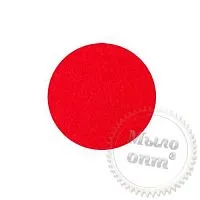

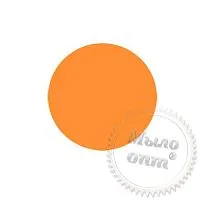
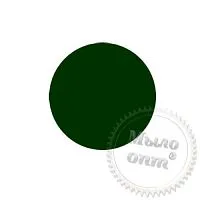


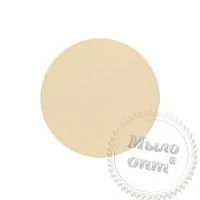
Pigmented bases for vibrant handmade soap bars
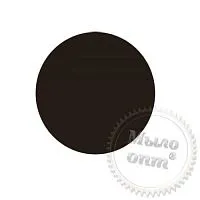
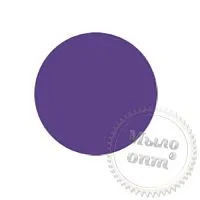
Colored soap base is a ready to melt glycerin block that already carries pigment evenly distributed through the mass, so the finished bar comes out uniformly tinted without separate dye mixing. It saves a formulation step for makers who want consistent shade results batch after batch. The range covers a spread of solid tones plus pastel and vivid options, suited to both small craft runs and larger production batches.
Because the color is already locked into the base, it works well wherever a clean single hue or a layered multi tone bar is the goal, from swirled decorative pieces to simple solid blocks for everyday retail lines. Makers scaling up from small batches often pair colored blocks with a plain melt and pour soap base to build contrast layers in the same mold. For a different base texture and origin profile, the soap base from Germany is another option worth comparing side by side.
Shade ranges and finish differences
Colored blocks are typically grouped by finish rather than just hue: solid opaque tones, translucent tinted versions that let light pass through, and pastel dilutions meant for softer retail lines. An opaque block reads as a flat, uniform color once cut, while a translucent tinted base keeps a slight glow and is often chosen for single layer bars where the color itself is the main visual feature.
Some makers keep a shelf of both a plain melt and pour soap base from England and several pigmented blocks side by side, using the plain one as a neutral layer between colored ones. This layering approach is common in swirl and stripe designs, where contrast between a tinted block and a clear or white base defines the pattern rather than any single color alone.
Choosing a shade and pairing it in a formulation
Picking a colored base usually comes down to three things: how opaque or translucent the final bar should look, how the tone behaves after adding fragrance or additional pigments, and how consistent the shade needs to be across a production run. A base with color already fixed through the mass removes the guesswork of blending loose pigment into melted soap by hand, which matters most for makers running repeat batches with a fixed recipe.
These bases are frequently combined with botanical additions, exfoliants, or a second contrasting block rather than used purely on their own. Comparing melting behavior and hardness between different bases helps before locking in a recipe, and options like soap base from Belarus, Stephenson soap base, or soap base from France each bring slightly different melt points and clarity worth testing against a colored block before scaling production.
Sourcing, texture variety and storage
Beyond the widely used origins, makers exploring texture or clarity differences sometimes compare an Italian soap base against a soap base from Israel, or test a Suaptema soap base alongside a locally produced soap base from Ukraine to find the closest match to a colored block already in use.
Blocks should be kept sealed and away from direct heat or sunlight, since both color and texture can shift if the base softens before melting. Cutting a small test piece from a new batch and checking how the color melts and sets is a simple way to confirm consistency before committing a full production run to it.
FAQ
What is colored soap base made of
It is a glycerin based melt and pour block with pigment already blended into the mass during manufacturing. This means color runs evenly through the block rather than sitting only on the surface, so cutting or shaving the base reveals the same tone throughout, useful for layered or carved designs.
Can colored soap base be mixed with other colors
Yes, melting two shades together in the same pot lets makers create custom in between tones or marbled effects. Small test batches are worth doing first since pigment concentration varies between suppliers, and results can shift depending on melt temperature and mixing time.
How should colored soap base be stored
Keep blocks wrapped and away from direct sunlight and heat sources, since prolonged light exposure can fade pigment over time and warmth can cause blocks to soften or sweat. A cool dry cupboard or storage room works well for keeping color stable until use.
Does colored soap base work for layered or swirled designs
Yes, pairing a pigmented block with a clear or white base in the same mold is a common way to build contrast layers, stripes, or swirl patterns. Melting each color separately and pouring in stages usually gives cleaner layer lines than mixing all colors together at once.
Recommendations
When picking a colored base, think about the finish you want first, solid opaque, translucent, or pastel, since this affects how the final bar reads visually more than the exact shade name does. Order small trial blocks before committing to a full batch to check how the tone melts and sets in your mold. Reach out by email with your project details and we can help match a shade range to your production volume.


