-
 Absolutes
-
 Active Complexes
-
 Actives & Peptides
-
 Amino Acids & Proteins
-
 Food Flavors
-
 Ayurvedic Ingredients & Herbs
-
 Vitamins & Coenzymes
-
 Chocolate Making Supplies
-
 Thickeners & Gelling Agents
-
 Hydrosols & Floral Waters
-
 Hydrolyzed Proteins
-
 Fragrance Ingredients
-
 Nutraceutical Ingredients
-
 Acids, Salts, Alcohols & Alkalis
-
 Preservatives & Antioxidants
-
 Cosmetic Ingredients
-
 Colorants, Micas & Glitters
-
 Masks, Scrubs & Botanicals
-
 Oils & Butters
-
 Candle Making Supplies
-
 Melt and Pour Soap Bases
-
 Cream, Lotion & Hair Care Bases
-
 Fragrance Oils & Industrial Aromatics
-
 Cleansing Agents & Surfactants
-
 Peeling Actives & Acids
-
 Cosmetic Powders
-
 Solvents & Humectants
-
 Silicones & Conditioning Agents
-
 Bottles, Jars & Vials
-
 Silicone & Plastic Molds, Tools
-
 Botanical Extracts
-
 Cosmetic Emollients
-
 Emulsifiers
-
 Essential Oils


New Year
 Add to cart








Festive shaping and finishing tools for winter creations
This section gathers molds, toppers, stickers and small decor pieces built around a winter holiday theme, snowflakes, stars, fir trees, deer and festive numerals. These forms and finishing elements let a maker shape and decorate a batch of small items quickly, without designing a mold from scratch for a single season.
The same shapes work across several finished formats rather than one narrow use. A snowflake mold can cast a scented candle, hold melted chocolate for edible treats, or shape a bar of soap, while a matching sticker finishes the packaging in each case. Because the geometry stays simple and food safe grade silicone or plastic is common here, the same tray often moves between a candle workshop and a small confectionery batch within the same week.
For makers who plan a wider seasonal lineup, the Happy Birthday forms sit close by for year round orders, and the Valentine's Day, February 14 section covers the next holiday on the calendar.
Shapes, sizes and material grades
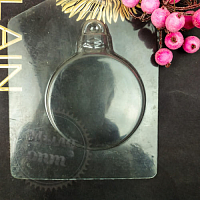
Within this group the split runs mostly along three lines: motif (snowflake, star, fir tree, deer, festive numeral), cavity count on a single tray, and material grade. A thin single use plastic shell suits a quick trial batch, while a flexible silicone tray with several cavities holds up to repeated pours across a whole season of orders.
Wall thickness and cavity depth also change what a mold can hold. A shallow flat cavity favors a thin chocolate disc or a flat soap bar, while a deeper rounded cavity suits a fuller candle pour or a thicker bar with more texture on top. Toppers and stickers add a finishing layer once a piece is unmolded, so a maker often orders a motif in both a mold and a matching sticker size.
Choosing a mold and pairing it with the rest of a batch
Picking a size starts with the finished format in mind: a small snowflake cavity fits a favor sized treat, while a larger star or fir tree shape suits a standalone gift piece. Cavity depth then decides how much material a single pour needs, which matters when a workshop is planning quantities for chocolate, wax or a soap base together.
Natural accents extend the same winter theme without adding a mold at all. A small natural pine cone sits well next to a molded piece in a gift set, and a ready made Christmas decoration santa or a second Christmas decoration Santa figure can finish a display shelf alongside fresh molded stock. A carved Christmas decor owl works the same way as a standalone accent rather than a mold insert.
Origin and storage notes
Items in this group are sourced from China, a common origin for silicone and plastic molds and small decor pieces across the wider catalog. Keeping trays flat and away from direct heat during storage helps cavities keep their shape between seasons, so the same mold set can open a new winter run without warping.
Once this seasonal lineup is planned, a workshop calendar usually moves on to other dates worth stocking ahead of time, from From March 8 and Mens Day pieces to Angel Day and Wedding day orders, all built on the same shape and finish logic as the winter set.
FAQ
What can winter holiday molds be used for besides candles
These molds work across several formats, not just candles. The same snowflake, star or fir tree cavity can shape soap bars, cast melted chocolate for edible treats, or form small resin and wax pieces, since the geometry stays simple and neutral enough for repeated use across different materials.
What material are these festive molds made from
Most trays in this group use food safe grade silicone or rigid plastic, both chosen for flexible release and repeated use across a season. Silicone suits pieces needing easy demolding, while plastic trays are common for larger batches or simpler geometric shapes like numerals and stars.
Do the stickers match the mold shapes exactly
Stickers and small decor pieces are grouped by the same winter motifs, snowflakes, deer, fir trees and festive numerals, so a maker can pick a sticker that echoes the cast shape for consistent packaging. They are sold as separate finishing items rather than fixed sets, so pairing is flexible.
How many cavities do these holiday trays typically have
Cavity count varies by tray, from single large shapes meant for one centerpiece item to multi cavity sheets for producing a batch of smaller matching pieces in one pour. This makes it possible to choose based on whether the order is one showcase item or a full set of uniform units.
Recommendations
When picking a tray from this group, match cavity size and count to your batch plan rather than the motif alone, a multi cavity sheet saves time on repeat orders while a single large cavity suits a showcase piece. Check the material grade against your intended use, whether candle wax, melted chocolate or a soap base, since release behavior differs. Send us an email with the quantities and finished format you have in mind, and we will help confirm the right combination for your seasonal batch.



