-
 Absolutes
-
 Active Complexes
-
 Actives & Peptides
-
 Amino Acids & Proteins
-
 Food Flavors
-
 Ayurvedic Ingredients & Herbs
-
 Vitamins & Coenzymes
-
 Chocolate Making Supplies
-
 Thickeners & Gelling Agents
-
 Hydrosols & Floral Waters
-
 Hydrolyzed Proteins
-
 Fragrance Ingredients
-
 Nutraceutical Ingredients
-
 Acids, Salts, Alcohols & Alkalis
-
 Preservatives & Antioxidants
-
 Cosmetic Ingredients
-
 Colorants, Micas & Glitters
-
 Masks, Scrubs & Botanicals
-
 Oils & Butters
-
 Candle Making Supplies
-
 Melt and Pour Soap Bases
-
 Cream, Lotion & Hair Care Bases
-
 Fragrance Oils & Industrial Aromatics
-
 Cleansing Agents & Surfactants
-
 Peeling Actives & Acids
-
 Cosmetic Powders
-
 Solvents & Humectants
-
 Silicones & Conditioning Agents
-
 Bottles, Jars & Vials
-
 Silicone & Plastic Molds, Tools
-
 Botanical Extracts
-
 Cosmetic Emollients
-
 Emulsifiers
-
 Essential Oils


Massage Oils

 Add to cart
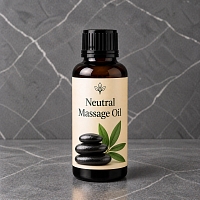


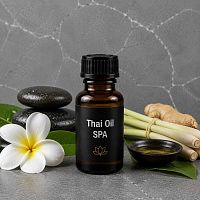


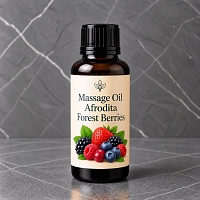


Carrier oils for body care and spa formulations
This section brings together liquid plant oils selected for their glide, absorption rate and skin feel in body care formulations. They serve as the carrier base for blending essential oils, active complexes and fragrance while keeping a formula workable on the skin without dragging or excessive tackiness.
These oils are formulated into body oils, balms, creams, lotions and spa treatment blends where a smooth application and controlled absorption matter. Some grades work best as a light, fast absorbing base, while others bring more cushion and slip for longer application times, so the choice depends on the finished texture a manufacturer is aiming for.
They are commonly paired with butters to build richer balms, or blended with other liquid basic oils to fine tune spreadability and cost in a batch. Selecting the right combination lets producers adjust the final feel from light and dry to deeply nourishing without changing the whole formula.
Types of carrier oils and how they differ
Within this group, oils split mainly by weight and absorption speed. Lighter grades sink in quickly and leave almost no residue, which makes them useful when a formula needs to feel dry rather than oily on contact. Heavier, more emollient grades sit longer on the skin and add cushion, which suits slower massage work or overnight balms where prolonged glide matters more than fast uptake.
Another point of difference is polarity and how an oil behaves once combined with other liquids. Some blend cleanly with water soluble oils, which is handy for lighter mists and sprayable body formats, while others are better suited to fully oil based systems. Ready made combinations, such as those found among blended base oils, already balance two or more of these properties so a formulator does not have to build the ratio from scratch.
Choosing a grade and building a formula around it
The main criteria to weigh are absorption speed, slip on the skin, oxidative stability and how the oil carries fragrance or active ingredients without altering their performance. A fast absorbing oil suits everyday lotions and quick application body care, while a slower, richer oil fits products meant to stay workable on the skin for an extended massage or treatment session.
These oils rarely stand alone in a finished product. They are frequently paired with essential oil blends, active complexes and fragrance to shape scent and function, and cost or texture can be fine tuned by blending several grades from oils, batters, macerates and oil mixtures or by adding natural macerates for additional plant character. Finished blends built on this base, like the Thai Jasmine Massage Oil, 150 ml, the Lemongrass and mint massage oil, 150 ml, the Lime and Ginger Massage Oil, 150 ml and the Linden Blossom Massage Oil 100 ml illustrate how the same carrier logic scales into different scent profiles and textures.
Origin and storage
Stock in this section is sourced from Thailand and Germany, giving formulators a choice between different pressing origins when matching a specific texture or scent neutrality requirement. Keeping containers tightly closed, away from direct light and heat, helps preserve the oil texture and slows oxidation, which is especially relevant for lighter grades that are more sensitive to rancidity over time.
For 2026 batches, buyers increasingly ask about blended options that combine two or three oils in one container, saving time on in house mixing while still allowing the final texture to be adjusted downstream with additional carrier or water soluble oils.
FAQ
What is the difference between light and heavy carrier oils for body formulations?
Light carrier oils absorb quickly and leave little residue, making them suited to daily lotions and fast finishing textures. Heavier grades sit longer on the skin, add slip and cushion, and work well in balms or massage blends where extended glide is needed.
Can carrier oils be blended together in one formula?
Yes, blending is common practice. Combining a fast absorbing oil with a richer one lets formulators fine tune spreadability, cost and finish without redesigning the whole batch, and this is often paired with butters for added body.
How should carrier oils be stored to keep their quality?
Keep containers tightly closed, away from direct light and heat, ideally in a cool dark space. Oxygen exposure and warmth speed up oxidation, so smaller working containers and prompt resealing after use help extend usable shelf life.
What determines how a carrier oil feels once applied to skin?
Feel is shaped mainly by fatty acid profile and viscosity. Oils richer in linoleic acid tend to sink in fast and feel dry, while those higher in oleic or saturated content leave more cushion, which is why the same base oil group can suit very different finished textures.
Recommendations
Choosing the right carrier oil starts with the texture you want the finished product to have: pick a lighter grade for fast absorbing lotions and body oils, or a heavier one for balms and massage blends that need extended glide. Check viscosity and absorption rate against your target formula before committing to a full batch, and request a small sample first if you are testing a new blend ratio. Orders and formulation questions are handled by email, with assembly typically taking three to five business days.



