-
 Absolutes
-
 Active Complexes
-
 Actives & Peptides
-
 Amino Acids & Proteins
-
 Food Flavors
-
 Ayurvedic Ingredients & Herbs
-
 Vitamins & Coenzymes
-
 Chocolate Making Supplies
-
 Thickeners & Gelling Agents
-
 Hydrosols & Floral Waters
-
 Hydrolyzed Proteins
-
 Fragrance Ingredients
-
 Nutraceutical Ingredients
-
 Acids, Salts, Alcohols & Alkalis
-
 Preservatives & Antioxidants
-
 Cosmetic Ingredients
-
 Colorants, Micas & Glitters
-
 Masks, Scrubs & Botanicals
-
 Oils & Butters
-
 Candle Making Supplies
-
 Melt and Pour Soap Bases
-
 Cream, Lotion & Hair Care Bases
-
 Fragrance Oils & Industrial Aromatics
-
 Cleansing Agents & Surfactants
-
 Peeling Actives & Acids
-
 Cosmetic Powders
-
 Solvents & Humectants
-
 Silicones & Conditioning Agents
-
 Bottles, Jars & Vials
-
 Silicone & Plastic Molds, Tools
-
 Botanical Extracts
-
 Cosmetic Emollients
-
 Emulsifiers
-
 Essential Oils
- Antioxidants 118
- Biocides 10
- Hydrosols (Hydrolates) 11
- Hydrocolloids for Cosmetics 10
- Others 70
- Fragrant Waters for Cosmetics 26
- Mineral Cosmetic Ingredient 194
- Functional Components 5135
- Corneotherapy 17
- Liposomes for Cosmetics 20
- Minerals 76
- pH Neutralizers/Correctors 20
- Resins and Resinoids 17
- UV and SPF Filters for Cosmetics 95
- Fruit Powders 15
- Chemical Raw Materials 155
- Enzymes, Filtrates, and Lysates 25
- Cargill France SAS – Oils and Actives 10
- BASF Cognis Care Chemicals 12
- Vitamins & Coenzymes Wholesale 154
- Bulk Waxes for Cosmetics 61
- Others Wholesale 89
- Acids, Salts, Alcohols & Alkalis Wholesale 136
- Cosmetic Ingredients Wholesale 2502
- Food grade raw materials wholesale 13
- Fruit Powders in Bulk 23
- Antioxidants bulk 1
- Acids and Alkalis Wholesale 17
- Preservatives Bulk 5
- Bulk Surfactants 3
- Emulsifiers Bulk 14
- Hydrosols Bulk 210


Bulk Waxes for Cosmetics
 Add to cart






Structuring and Thickening Agents for Balms, Sticks and Emulsions
This section brings together natural and plant-derived waxes used as structuring agents in cosmetic manufacturing, including beeswax, candelilla, carnauba, rice bran and similar materials. Formulators rely on these ingredients to build firmness, adjust melting point and stabilize the texture of finished products across a wide range of formats.
These waxes function as thickeners and structuring agents in lip balms, solid perfumes, deodorant sticks, body butters and anhydrous balms, where they set the final hardness and slip. In emulsions, they help stabilize the oil phase and improve texture in creams and lotions, while in color cosmetics they contribute to the pressed or molded structure of products such as lipsticks and cream blushes. Many of these materials are also used to adjust the sheen and glide of hair styling balms and pomades.
Because performance varies significantly between wax types, it helps to compare options within the broader Functional Components range or browse the full Cosmetic Ingredients Wholesale catalog to match a wax to a specific formulation goal.
Types of Waxes and How They Differ
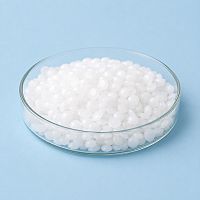
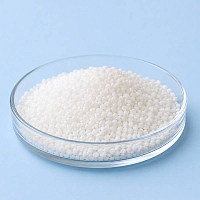
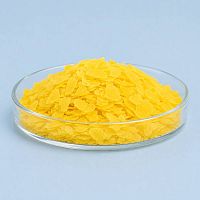
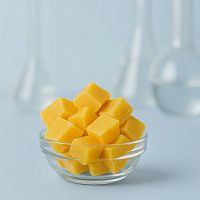
Insect-derived and mineral-adjacent waxes such as natural beeswax offer a moderate melting point and a pliable, slightly tacky structure, making them a common base note in balm formulations. Plant waxes like candelilla wax and carnauba wax sit at the harder end of the spectrum, with carnauba in particular prized for its high melting point and glossy finish in molded sticks and pressed products.
Aromatic flower and fruit waxes, including rose wax, jasmine grandiflorum wax and tuberose wax, are co-extracted with the plant's aromatic compounds during processing, so they carry a natural scent alongside their structuring function. Fruit and citrus waxes such as lemon wax, avocado wax, berry wax and cassia wax tend to be softer and are often chosen for the subtle texture and finish they lend to lip and skin care products rather than for rigid structure alone.
Choosing a Wax and Building a Formula Around It
Selection usually starts with the target hardness and melting point of the finished product: a lip balm needs enough firmness to hold its shape in a tube yet melt readily on contact with skin, while a solid perfume or deodorant stick may call for a firmer, higher-melting wax. Formulators also weigh the finish a wax leaves behind, from the glossy shine of carnauba to the softer glide of fruit and berry waxes, alongside how each interacts with oils and butters already in the base.
These waxes rarely work alone. They are frequently combined with emulsifiers such as Polawax to stabilize creams and lotions, or paired with acids and alkalis from the acids, salts, alcohols and alkalis range when a formula requires pH adjustment alongside its structural components. Because a single wax can serve balms, sticks, emulsions and color cosmetics alike, it is worth testing small batches across formats before committing to a large production run.
Origin, Storage and What to Expect in 2026
Waxes in this range are sourced from suppliers in Germany, Ukraine, Poland, France, the United States, the Netherlands, Malaysia and Italy, reflecting the mix of plant and insect origins across the category. Solid at room temperature, these materials should be kept in a cool, dry place away from direct sunlight to preserve their melting point and prevent premature softening or discoloration, particularly for the more delicate aromatic and fruit waxes.
Shelf life is generally long when storage conditions are respected, which makes bulk purchasing practical for manufacturers running consistent production schedules. As formulators continue to diversify texture profiles in 2026, demand has grown for less common aromatic waxes alongside the established structuring staples, giving product developers more room to fine-tune both feel and scent within a single formula.
FAQ
What is the difference between beeswax and candelilla wax in cosmetic formulations
Beeswax is an animal derived wax with a lower melting point and a naturally softer, tackier texture, while candelilla is a plant wax that gives a harder, more brittle structure. Formulators often blend the two to balance slip and firmness in balms, sticks and anhydrous formulas.
Which wax is best for a firm lip balm or solid perfume stick
Candelilla and carnauba are commonly chosen for firmer sticks because they raise the melting point and reduce softness at room temperature. Beeswax is often added alongside them in smaller amounts to improve texture, slip and pliability during application.
Can these waxes replace each other in the same recipe
Not always at a one to one ratio, since each wax has a different melting point and hardness. Substituting one for another usually requires adjusting the percentage and retesting the final texture before scaling up production.
How should structuring waxes be stored before use
Keep waxes in a cool, dry place away from direct sunlight and heat sources, ideally in sealed original packaging. Stable storage conditions prevent premature softening, oxidation and changes in melting behavior over time.
Do these waxes work in both anhydrous balms and water based emulsions
Yes, though their role differs. In anhydrous balms and sticks they build structure and hardness directly, while in emulsions they are used in smaller amounts within the oil phase to stabilize texture and improve stability of creams and lotions.
Recommendations
Choosing the right wax starts with the finished texture you need: a harder stick calls for candelilla or carnauba, while a softer balm benefits from a higher share of beeswax or rice bran wax. Check the stated melting point and consider ordering a small trial batch before committing to larger volumes, since wax performance can shift the entire formula's stability and feel. Our team is glad to help match a specific wax to your production goals, simply reach out by email with your formulation details and order needs.



