-
 Absolutes
-
 Active Complexes
-
 Actives & Peptides
-
 Amino Acids & Proteins
-
 Food Flavors
-
 Ayurvedic Ingredients & Herbs
-
 Vitamins & Coenzymes
-
 Chocolate Making Supplies
-
 Thickeners & Gelling Agents
-
 Hydrosols & Floral Waters
-
 Hydrolyzed Proteins
-
 Fragrance Ingredients
-
 Nutraceutical Ingredients
-
 Acids, Salts, Alcohols & Alkalis
-
 Preservatives & Antioxidants
-
 Cosmetic Ingredients
-
 Colorants, Micas & Glitters
-
 Masks, Scrubs & Botanicals
-
 Oils & Butters
-
 Candle Making Supplies
-
 Melt and Pour Soap Bases
-
 Cream, Lotion & Hair Care Bases
-
 Fragrance Oils & Industrial Aromatics
-
 Cleansing Agents & Surfactants
-
 Peeling Actives & Acids
-
 Cosmetic Powders
-
 Solvents & Humectants
-
 Silicones & Conditioning Agents
-
 Bottles, Jars & Vials
-
 Silicone & Plastic Molds, Tools
-
 Botanical Extracts
-
 Cosmetic Emollients
-
 Emulsifiers
-
 Essential Oils
- Cream Jars Wholesale 463
- Bottles for cosmetics, dispensers wholesale 1470
- Laboratory glassware wholesale 10
- Measuring Equipment Wholesale 12
- Cosmetic Containers Wholesale 1484
- Plastic containers wholesale 16
- Perfume testers wholesale 20
- Glass bottles and jars Wholesale 395
- Perfume Packaging Wholesale 517
- Diffuser bottles and reeds wholesale 25
- Metal perfume atomizers Wholesale 10
Plastic containers wholesale

 Add to cart

 Subscribe


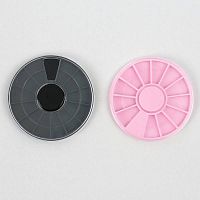


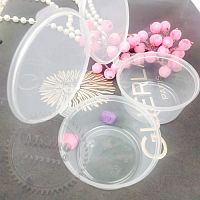


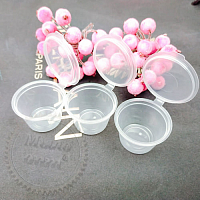

Packaging solutions for creams lotions and serums
This section offers plastic containers for storing and presenting finished cosmetic products. The range includes jars and tubs of different capacities, shapes and wall thickness, suitable for thick and liquid formulations alike, from balms to lightweight lotions.
These containers are used across a wide range of cosmetic production, holding face and body creams, hair masks, body scrubs, balms and other semi solid or liquid preparations. Manufacturers choose container size and shape based on product viscosity, expected shelf life and how the formulation will be dispensed by the end user.
Alongside plastic containers, many workshops also need laboratory glassware for mixing and testing batches before packaging, or cream jars when a glass alternative better suits a particular formulation.
Container types and their differences
Jars, tubs and low profile containers differ mainly in wall thickness, opening diameter and closure style. Wide mouth jars suit thicker balms and scrubs that need to be scooped out, while narrower openings work better for pourable lotions and serums that are dispensed rather than scooped. Wall thickness affects both durability during transport and how the container feels in hand at retail.
Capacity ranges from small sample sizes to full retail volumes, letting manufacturers match packaging to product concentration and expected usage rate. A rich night cream typically ships in a smaller jar than a daily body lotion, simply because usage per application differs. For teams that also work with liquid dispensing formats, comparing plastic jars against bottles for cosmetics and dispensers helps decide which closure style suits a given formulation best.
Choosing the right container and pairing it with other supplies
Selection usually starts with product viscosity. Thin lotions and gel serums flow more easily and benefit from pump or dropper style closures, while thicker balms and body butters need a wide opening for easy extraction. Shelf life and preservative system also matter, since some plastics interact differently with certain formulations than glass does, which is why many production lines keep both plastic and glass bottles and jars on hand for different product lines.
Container choice rarely happens in isolation. Batch testing before filling often calls for measuring equipment to confirm consistent fill weights, while a wider packaging strategy may also include cosmetic containers for adjacent product lines such as powders or smaller format items.
Related formats and storage notes
Manufacturers building out a fragrance or personal care line alongside creams and lotions often source from a broader packaging catalog, including perfume packaging, metal perfume atomizers and perfume testers for sampling programs. Reed diffuser lines round out the offering through diffuser bottles and reeds, useful for brands expanding beyond skincare into home fragrance.
Empty containers should be stored in a dry, dust free space away from direct sunlight, which can weaken certain plastics over time and affect clarity. Keeping containers in their original packaging until filling day helps prevent scratches and static buildup that can attract debris during production.
FAQ
What is the difference between a jar and a tub for cosmetic packaging
Jars typically have a narrower opening and taller profile, suited to smaller volumes of creams or serums, while tubs are wider and shallower, making them easier to scoop thicker balms, scrubs or masks from without wasting product near the base.
How do I choose the right container size for a new cosmetic product
Match the container capacity to typical retail or production batch volumes, consider how viscous the formulation is, and think about whether the end user will scoop, pump or pour the product, since this affects opening width and closure type.
Can the same container work for both thick balms and liquid lotions
Wide mouth jars generally handle thick balms and scrubs better since the product can be scooped, while lotions and serums with lower viscosity are usually better suited to narrower openings or dispensing closures that limit spillage during use.
How should plastic cosmetic containers be stored before filling
Keep containers in their original packaging in a dry, clean area away from direct sunlight and strong odors, since plastic can absorb ambient smells over time, and avoid stacking heavy loads that might deform thinner walled jars or tubs.
Recommendations
When choosing containers for creams, lotions or serums, start with your formulation's viscosity and expected shelf life, then match jar or tub capacity to your typical batch size. Wall thickness matters for stability during shipping, and opening width should suit how customers will actually use the product. Order samples across a few sizes before committing to a full batch, and reach out by email to confirm current stock and packaging details for your specific production needs.



