-
 Absolutes
-
 Active Complexes
-
 Actives & Peptides
-
 Amino Acids & Proteins
-
 Food Flavors
-
 Ayurvedic Ingredients & Herbs
-
 Vitamins & Coenzymes
-
 Chocolate Making Supplies
-
 Thickeners & Gelling Agents
-
 Hydrosols & Floral Waters
-
 Hydrolyzed Proteins
-
 Fragrance Ingredients
-
 Nutraceutical Ingredients
-
 Acids, Salts, Alcohols & Alkalis
-
 Preservatives & Antioxidants
-
 Cosmetic Ingredients
-
 Colorants, Micas & Glitters
-
 Masks, Scrubs & Botanicals
-
 Oils & Butters
-
 Candle Making Supplies
-
 Melt and Pour Soap Bases
-
 Cream, Lotion & Hair Care Bases
-
 Fragrance Oils & Industrial Aromatics
-
 Cleansing Agents & Surfactants
-
 Peeling Actives & Acids
-
 Cosmetic Powders
-
 Solvents & Humectants
-
 Silicones & Conditioning Agents
-
 Bottles, Jars & Vials
-
 Silicone & Plastic Molds, Tools
-
 Botanical Extracts
-
 Cosmetic Emollients
-
 Emulsifiers
-
 Essential Oils
- Glycolic Extracts Wholesale 298
- Botanical Extract Complexes Wholesale 105
- Oil Extracts Wholesale 283
- Aromatic Extracts Wholesale 104
- Fermented Extracts Wholesale 43
- Liquid Plant Extract Wholesale 247
- Plant Extracts Concentrates Wholesale 228
- CO2 Extracts Wholesale 547
- Powdered extracts and algae wholesale 681
Fermented Extracts Wholesale

 Add to cart


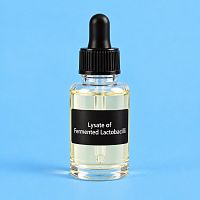


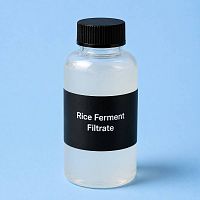
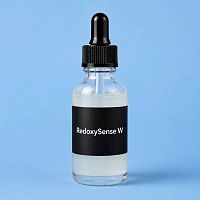
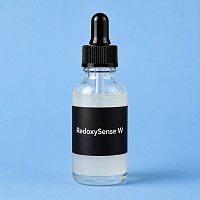
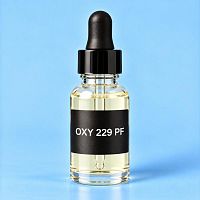
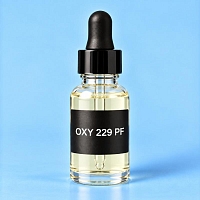
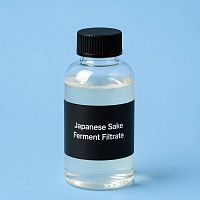

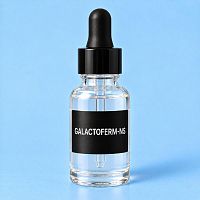
Scope of the fermented extracts category
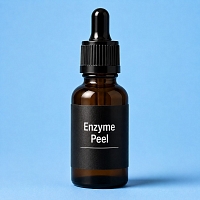
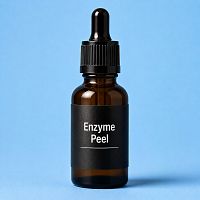
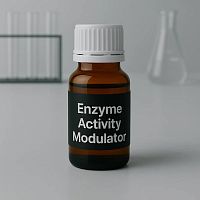
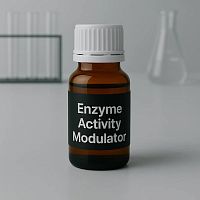
This section gathers raw materials processed through controlled microbial or enzymatic fermentation. Large molecules break down into simpler compounds that integrate more readily into formulations. The range covers rice, black tea, oat and fungal substrates, including items such as Fermented extract of Altermonas 100 ml. Each type differs in metabolite profile and performance within finished blends. Manufacturers value the improved stability during storage and better compatibility in complex recipes.
Available formats and wholesale volumes
Smaller containers serve laboratory trials while larger ones support ongoing production runs. Fermented materials are routinely paired with other botanical inputs from Plant Extracts Concentrates Wholesale. Viscosity and pH vary according to the fermentation route and original biomass. Producers select volumes based on batch size and production cadence. Wholesale buyers appreciate the smooth transition from test to industrial quantities without reformulation. Related raw materials are collected in the fermented oils wholesale and botanical extract complexes wholesale sections.
Selection criteria and specification notes
Choice depends on the target product, phase solubility and compatibility with the rest of the formula. Low-viscosity versions suit toners and essences, denser ones fit emulsions and creams. Packaging protects against light and oxidation during extended warehouse storage. Batch documentation supports consistent quality control at manufacturing sites. Lab teams routinely verify extract behavior at different mixing temperatures before final formula approval.
Role in cosmetic manufacturing
Formulators incorporate these extracts into serums, emulsions, creams and toners. Fermentation improves stability and eases blending with other ingredients. Teams often combine them with additional concentrates listed under Extracts Wholesale to achieve balanced sensory and functional properties. This practice is common when developing lightweight daily care textures. Many formulators note enhanced solubility after fermentation compared with standard aqueous extracts.
Raw material for dietary supplements and food production
Private formulators and factories worldwide source these extracts strictly as ingredients for dietary supplements, beverages, confectionery and functional foods. The material serves production purposes only, with no reference to physiological effects. Global shipments reach both small labs and large plants requiring steady supply volumes. Fermented Extracts form the base for new flavor profiles in confectionery masses and functional drinks.
Bulk supply and batch documentation
Orders are arranged from trial quantities to continuous deliveries for manufacturing sites. Each batch comes with documentation confirming uniformity and compliance with production standards, supporting consistent scaling. This simplifies integration into existing production lines.
Recommended storage practices
Keep containers in a cool dry area away from direct light. Sealed packaging prevents oxidation and maintains the original characteristics of the extract throughout its shelf life. Temperature monitoring helps preserve the metabolite profile over time. Wholesale clients frequently use pallet deliveries with clear labeling for convenient warehouse placement.
FAQ
Which substrates are most commonly fermented?
Rice, black tea, oat and fungal cultures each yield distinct metabolite sets suited to different formula types.
What volume suits initial production testing?
Liter sizes work well for first industrial batches while 100 ml containers are practical for lab screening.
Can fermented extracts be blended with other raw materials?
Yes, they are frequently combined with liquid and concentrate forms to build complete systems.
Are special handling steps required when adding to emulsions?
Attention to solubility and pH is usually sufficient for even dispersion.



