-
 Absolutes
-
 Active Complexes
-
 Actives & Peptides
-
 Amino Acids & Proteins
-
 Food Flavors
-
 Ayurvedic Ingredients & Herbs
-
 Vitamins & Coenzymes
-
 Chocolate Making Supplies
-
 Thickeners & Gelling Agents
-
 Hydrosols & Floral Waters
-
 Hydrolyzed Proteins
-
 Fragrance Ingredients
-
 Nutraceutical Ingredients
-
 Acids, Salts, Alcohols & Alkalis
-
 Preservatives & Antioxidants
-
 Cosmetic Ingredients
-
 Colorants, Micas & Glitters
-
 Masks, Scrubs & Botanicals
-
 Oils & Butters
-
 Candle Making Supplies
-
 Melt and Pour Soap Bases
-
 Cream, Lotion & Hair Care Bases
-
 Fragrance Oils & Industrial Aromatics
-
 Cleansing Agents & Surfactants
-
 Peeling Actives & Acids
-
 Cosmetic Powders
-
 Solvents & Humectants
-
 Silicones & Conditioning Agents
-
 Bottles, Jars & Vials
-
 Silicone & Plastic Molds, Tools
-
 Botanical Extracts
-
 Cosmetic Emollients
-
 Emulsifiers
-
 Essential Oils


Wax for Loose Candles
 Add to cart
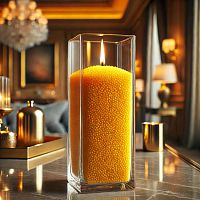

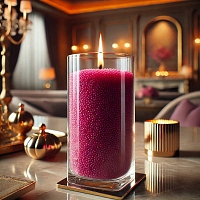
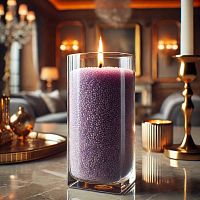
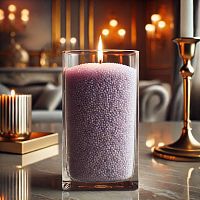
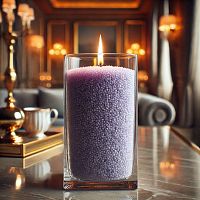
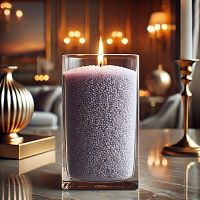
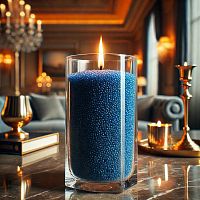
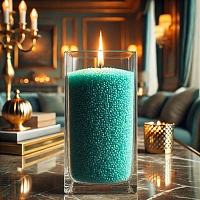

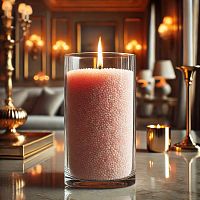
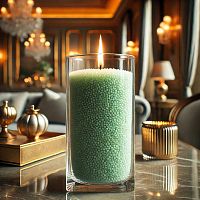
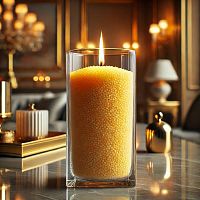
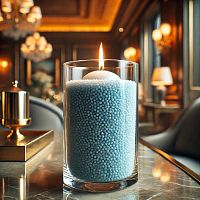
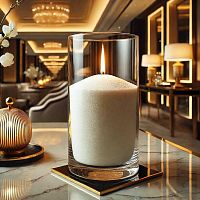
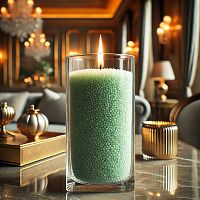
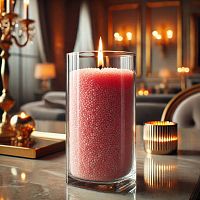

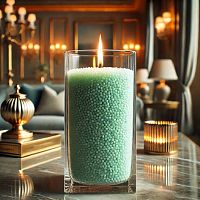
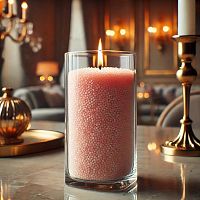
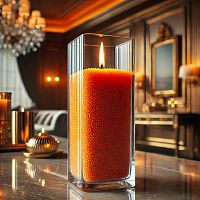
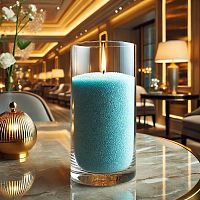
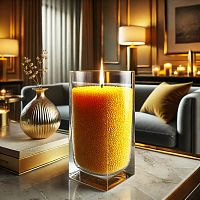
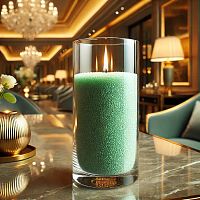
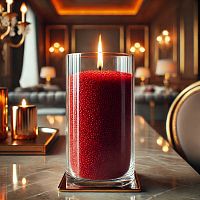
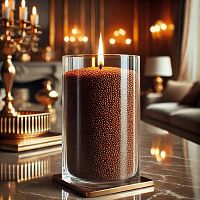
Bulk wax pellets and flakes for pouring and molding
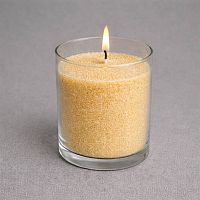
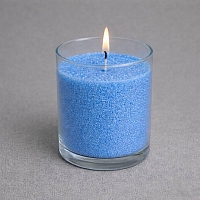
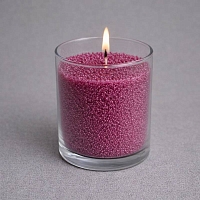
This section covers loose wax in pellet, flake, and chip form used as a base material for pouring, melting, and molding candles. Depending on the type, the wax offers different melting points, scent retention, and finish, which lets makers choose a base suited to container candles, pillars, or wax melts.
The material is melted down and blended with fragrance oils and colorants, then poured into containers or molds to set. Some blends are chosen for a smoother, more opaque finish, while others are picked for how well they hold and release scent as the candle burns. For matching scent to a specific wax base, the Candle Fragrance Oils range works alongside these bases, and the broader Candle making supplies Wholesale section covers wicks, containers, and other tools needed to finish a batch.
Wax Types and How They Differ
Paraffin wax remains a common choice for its strong scent throw and predictable melting behavior, making it suited to both container pours and wax melts. Soy-based blends tend to burn cooler and hold fragrance oils differently, often chosen for a cleaner-looking set in glass. Palm and coconut-derived waxes bring their own texture and finish, which is why many makers keep more than one type on hand depending on the batch they are running.
Blended waxes, mixing two or more bases, are formulated to balance pour temperature, adhesion to container walls, and how well the finished candle releases scent once lit. The right blend depends heavily on whether the final product is a pillar, a container candle, or a melt meant to be warmed rather than burned.
Choosing a Wax and Building a Recipe
Selecting a base usually starts with the finished format in mind. A wax meant for pillars needs enough structure to hold its shape outside a container, while wax destined for jars can be softer since the glass provides support. Melting point, opacity, and how the surface looks once cooled all factor into the decision alongside cost per batch.
Wax pellets and flakes rarely work alone in a finished recipe. They are typically paired with dye or colorant to reach a target shade, something covered in the Candle colorants range, and blended with fragrance to carry scent through the burn. For a wider look at additives, wicks, and other components that go into the same pour, the Candle making raw materials section fills in the rest of the recipe. Pouring accurately and safely also depends on having the right thermometers, pitchers, and stirring tools, which are gathered under Candle making tools.
Formats, Storage, and Where the Wax Ends Up
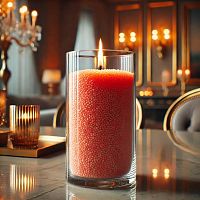
Wax is supplied in pellet, flake, or chip form specifically so it melts down evenly without the chunking issues that come with slab wax, making portioning and measuring simpler for repeat batches. Once melted, the same base can be poured into rigid molds for pillars and tapers, dropped into glass for container candles, or set into small cavities meant to be warmed as melts rather than burned with a wick. Anyone shaping poured wax into pillars or novelty shapes will find matching options under Candle making molds, while containers built for a finished pour are covered in Candle Jars.
Unopened wax keeps best in a cool, dry space away from direct sunlight and heat sources, since softening or partial melting before use can affect how evenly it pours later. Gel-based candle work follows a different set of materials entirely, detailed separately under Gel Candle Supplies. For a full view of everything else needed to complete a batch beyond the wax itself, the main Candle Supplies category brings the related sections together in one place.
FAQ
What is the difference between paraffin, soy, and coconut wax pellets?
Paraffin offers strong scent throw and predictable melting, soy blends burn cooler with a cleaner set in glass, and coconut or palm-derived waxes bring a softer texture and different fragrance release. Each type suits different pouring temperatures and finish expectations.
How should bulk wax pellets and flakes be stored before use?
Keep wax pellets and flakes in a cool, dry place away from direct sunlight and heat sources, sealed in their original packaging or an airtight container. Proper storage prevents clumping, discoloration, and uneven melting during later use.
Can different wax types be blended together in one batch?
Yes, many makers blend wax types to balance melting point, scent retention, and finish, for example combining paraffin with a soy or coconut blend. Testing a small batch first helps confirm how the blend melts, sets, and holds fragrance oils.
How much fragrance oil can be added to melted wax pellets?
Fragrance load depends on the wax type and its saturation point, with most blends accepting a moderate ratio before the scent stops binding well. Checking how a specific wax performs with your chosen fragrance oil in a test pour is the most reliable approach.
Recommendations
Choosing the right wax pellets or flakes starts with matching the melting point and finish to your container, mold, or wax melt format, since each base behaves differently once fragrance oils and colorants are added. Order sample quantities first to test scent throw and set quality before committing to a larger batch. For bulk orders, sourcing details, or questions about a specific wax type, reach out by email and our team will help confirm availability and lead time for your order.



