-
 Absolutes
-
 Active Complexes
-
 Actives & Peptides
-
 Amino Acids & Proteins
-
 Food Flavors
-
 Ayurvedic Ingredients & Herbs
-
 Vitamins & Coenzymes
-
 Chocolate Making Supplies
-
 Thickeners & Gelling Agents
-
 Hydrosols & Floral Waters
-
 Hydrolyzed Proteins
-
 Fragrance Ingredients
-
 Nutraceutical Ingredients
-
 Acids, Salts, Alcohols & Alkalis
-
 Preservatives & Antioxidants
-
 Cosmetic Ingredients
-
 Colorants, Micas & Glitters
-
 Masks, Scrubs & Botanicals
-
 Oils & Butters
-
 Candle Making Supplies
-
 Melt and Pour Soap Bases
-
 Cream, Lotion & Hair Care Bases
-
 Fragrance Oils & Industrial Aromatics
-
 Cleansing Agents & Surfactants
-
 Peeling Actives & Acids
-
 Cosmetic Powders
-
 Solvents & Humectants
-
 Silicones & Conditioning Agents
-
 Bottles, Jars & Vials
-
 Silicone & Plastic Molds, Tools
-
 Botanical Extracts
-
 Cosmetic Emollients
-
 Emulsifiers
-
 Essential Oils
- Antioxidants 122
- Biocides 12
- Hydrosols (Hydrolates) 11
- Hydrocolloids for Cosmetics 10
- Others 70
- Fragrant Waters for Cosmetics 26
- Mineral Cosmetic Ingredient 194
- Functional Components 5137
- Corneotherapy 17
- Liposomes for Cosmetics 21
- Minerals 76
- pH Neutralizers/Correctors 20
- Resins and Resinoids 17
- UV and SPF Filters for Cosmetics 95
- Fruit Powders 15
- Chemical Raw Materials 155
- Enzymes, Filtrates, and Lysates 26
- Cargill France SAS – Oils and Actives 10
- BASF Cognis Care Chemicals 12
- Vitamins & Coenzymes Wholesale 156
- Bulk Waxes for Cosmetics 61
- Others Wholesale 89
- Acids, Salts, Alcohols & Alkalis Wholesale 136
- Cosmetic Ingredients Wholesale 2549
- Food grade raw materials wholesale 13
- Fruit Powders in Bulk 23
- Antioxidants bulk 1
- Acids and Alkalis Wholesale 17
- Preservatives Bulk 5
- Bulk Surfactants 3
- Emulsifiers Bulk 14
- Hydrosols Bulk 210


Fruit Powders in Bulk

 Add to cart


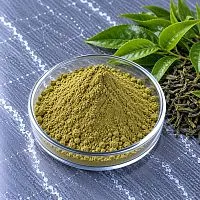


Fruit Powders Bulk for Food Beverage Cosmetic and Industrial Manufacturing
Fruit powders bulk are plant-based powdered ingredients used across food and beverage manufacturing, bakery and confectionery, dry mixes, functional products, nutraceutical formulations, cosmetics and other industrial applications. They are produced from fruit or berry materials using different processing and drying technologies. The exact production method, composition, particle size and intended applications depend on the specification of each individual product.
Powdered fruit ingredients provide manufacturers with a convenient format for weighing, blending, storage, transportation and production scaling. Depending on the fruit source and processing method, they may contribute flavor, aroma, color, acidity, fruit solids or other functional characteristics to a formulation. Their applications therefore extend considerably beyond skincare and personal care.
In cosmetic manufacturing, selected fruit powders may be incorporated into masks, scrubs, soaps, body products and other formulations according to the characteristics of the individual ingredient. Additional formulation materials can be found in Functional Components and the broader Cosmetic Ingredients Wholesale catalog.
Applications of Fruit Powders in Food and Beverage Manufacturing
Food and beverage production is one of the major application areas for fruit powders. Depending on the specification of a particular ingredient, powdered fruit materials can be used in beverage mixes, smoothies, bakery products, confectionery, desserts, fillings, creams, snacks and other manufactured foods.
In bakery and confectionery applications, a powdered format can help introduce a fruit component without adding the same amount of moisture associated with fresh fruit or puree. This makes fruit powders useful for developing bakery mixes, cookies, fillings, creams, coatings, chocolate and confectionery products, desserts and other formulations where moisture balance is technologically important.
Fruit powders are also used in beverage development, including powdered beverage preparations and other dry drink systems. Relevant parameters can include solubility or dispersibility, flavor intensity, acidity, color and sediment formation after mixing with water.
Another application area includes functional foods, specialized dry blends and nutraceutical formulations. Food or nutraceutical suitability must be established individually according to the specification and documentation of each ingredient and the regulatory requirements applicable to the finished product.
Fruit and Berry Powder Varieties
The category includes ingredients produced from different fruit and berry sources. Fruit powder Orange, 1 kg can be considered for formulations requiring a citrus profile, while Pineapple Fruit Powder 1 kg provides an option for tropical fruit concepts.
Different fruit sources have different technological characteristics. Banana Fruit Powder 1 kg may be selected for banana-based formulations, while Morello Cherry Powder 1 kg and Raspberry Fruit Powder 1 kg provide alternatives for berry and red-fruit product concepts.
Honey Fruit Powder 1 kg represents a separate type of powdered ingredient within the category. Its properties and intended applications should be evaluated according to its own product specification rather than automatically applying the characteristics of fruit-derived powders.
Flavor, aroma, color, particle size, dispersibility and other properties can differ significantly between products. Manufacturers should therefore evaluate the technical characteristics of the specific powder rather than assume that ingredients from different fruits are interchangeable.
Choosing Fruit Powder for a Manufacturing Formula
Selection should begin with the intended finished product and the technological role required from the ingredient. Apple fruit powder, 1 kg, for example, represents another fruit option for food, dry blend or other suitable formulations when its individual specification meets the requirements of the application.
For beverages, important considerations include dispersibility, flavor, acidity, color and behavior after hydration. Bakery and confectionery manufacturers should consider how flavor and color respond to processing and heat. In dry blends, particle size, flow properties, moisture sensitivity and compatibility with other powdered ingredients become particularly important.
There is no single universal dosage for all fruit powders. The appropriate amount depends on the concentration and characteristics of the individual powder, the desired flavor or color intensity, the production process and the requirements of the finished product. Pilot testing is recommended before scaling a formulation.
Fruit Powders for Cosmetics and Personal Care
Cosmetic manufacturing represents another application for selected fruit powders. Depending on particle size, composition and specification, they may be incorporated into dry masks, scrubs, soaps, body products and other personal care formulations.
A fruit powder should not automatically be classified as a colorant, fragrance, exfoliant or cosmetic active simply because it is derived from fruit. Its actual function depends on the properties of the specific material, concentration and finished formulation.
For anhydrous balms, solid products and other structured cosmetic systems, suitable fruit powders may be combined with oils, butters and structural ingredients. The Bulk Waxes for Cosmetics category provides additional materials for developing these types of formulations.
Particle size deserves particular attention when a powder is intended for a product that comes into direct contact with the skin. Compatibility and stability should be evaluated in the complete formulation before commercial production.
Fruit Powders Bulk for B2B Production
Bulk fruit powders are relevant to food manufacturers, beverage producers, bakeries, confectionery companies, dry mix manufacturers, cosmetic laboratories, private label businesses and other companies that regularly incorporate powdered ingredients into production.
For B2B applications, consistency between batches is particularly important. Manufacturers may need to evaluate particle size, moisture, flavor, aroma, color, dispersibility and other parameters relevant to their specific process.
A laboratory result should not automatically be assumed to perform identically after industrial scale-up. Before moving to larger production volumes, the powder should be tested in the actual formulation and processing conditions to establish an appropriate dosage and production procedure.
Origin and Storage
Fruit powders in this category are sourced from suppliers in Germany, Switzerland and China, providing options for different production requirements.
Powdered fruit ingredients should generally be stored in tightly sealed packaging in a dry location protected from direct sunlight and moisture unless different conditions are specified by the manufacturer. Many powdered materials are sensitive to atmospheric humidity, which may affect flow properties and cause clumping.
For commercial production, storage conditions stated in the documentation for the individual ingredient should be followed. Packaging should be securely resealed after each material withdrawal to reduce exposure to moisture and environmental contaminants.
FAQ
What are fruit powders used for
Their applications extend well beyond cosmetics. Depending on the specification of the individual product, fruit powders can be used in food manufacturing, beverages, bakery and confectionery, desserts, dry mixes, functional foods, nutraceutical formulations and personal care products.
Can fruit powders be used in food products
Food suitability must be confirmed for each individual product. Manufacturers should review its composition, specification and supporting documentation and ensure compliance with the regulatory requirements of the country where the finished product will be manufactured and marketed.
Are all fruit powders freeze-dried
No. Fruit powders can be manufactured using different drying and processing technologies. The production method should be confirmed from the specification of the particular ingredient rather than assumed for the entire category.
What is the difference between fruit powders
They can differ in fruit source, production technology, particle size, moisture, flavor, aroma, color, acidity, solubility or dispersibility and processing behavior. Different fruit powders should therefore be evaluated individually for each formulation.
How are fruit powders used in beverages
The dosage and incorporation method depend on the specific ingredient and beverage system. Manufacturers should evaluate dispersibility, flavor and color intensity, acidity, sediment formation and stability during storage before commercial production.
Can fruit powders be used in cosmetic formulations
Selected fruit powders can be used in masks, scrubs, soaps, body products and other cosmetic formulations when their specifications and characteristics are suitable for the intended application. Particle size, concentration and compatibility with the formulation should be evaluated before production.
Can different fruit powders be combined in one formulation
Different powders may be blended when their specifications and technological properties are compatible with the intended product. The final combination should be tested for flavor, color, texture, stability and other relevant parameters rather than relying on a universal mixing ratio.
Recommendations for Manufacturers
When selecting fruit powders bulk, manufacturers should consider the intended application rather than choosing solely by fruit name. Food and beverage formulations may require evaluation of flavor, aroma, acidity, color and dispersibility. Bakery and confectionery applications may require testing under processing temperatures. Cosmetic formulations require additional attention to particle size and compatibility with the finished base.
Before moving to a commercial production batch, test the selected powder in the actual formulation and determine an appropriate working concentration. For ongoing manufacturing, compare relevant characteristics of new raw material batches with the product specification and the established requirements of the finished formulation.


