Product catalog
-
 Absolutes
-
 Active Complexes
-
 Actives and Peptides for Cosmetics
-
 Amino Acids
-
 Food Flavorings
-
 Ayurveda
-
 Vitamins
-
 Gelling Agents and Thickeners
-
 Hydrosols and Floral Waters
-
 Hydrolyzed Proteins
-
 Fragrant and aromatic substances
-
 Acids, Salts, Alcohols, and Alkalis
-
 Preservatives and Antioxidants
-
 Cosmetic Raw Materials
-
 Dyes, Pearlescents, and Glitters
-
 Face Masks, Scrubs, and Dried Flowers
-
 Oils, batters, macerates, oil mixtures
-
 Candle Supplies
-
 Melt and Pour Soap Bases
-
 Base for cosmetics, cream, serum, shampoo
-
 Fragrance Oils
-
 Surfactants
-
 Peelings for Skin
-
 Herbal Powders and Plant
-
 Silicones and Conditioning Surfactants for Hair
-
 Raw materials for dietary supplements
-
 Packaging for Cosmetics and Perfumes
-
 Molds, Packaging, Tools
-
 Organic Extracts
-
 Emollients for Cosmetics
-
 Emulsifiers
-
 Essential Oils
Refine section
- Antioxidants 82
- Biocides 13
- Hydrosols (Hydrolates) 11
- Hydrocolloids for Cosmetics 14
- Others 80
- Fragrant Waters for Cosmetics 26
- Mineral Cosmetic Ingredient 162
- Cosmetic Components by Purpose 5935
- Corneotherapy 13
- Liposomes for Cosmetics 20
- Minerals 44
- pH Neutralizers/Correctors 21
- Resins and Resinoids 17
- UV and SPF Filters for Cosmetics 59
- Fruit Powders 15
- Chemical Raw Materials 157
- Enzymes, Filtrates, and Lysates 19
- Cargill France SAS – Oils and Actives 10
- BASF Cognis Care Chemicals 12
- Vitamins Wholesale 129
- Bulk Waxes for Cosmetics 60
- Others Wholesale 111
- Acids, Salts, Alcohols, and Alkalis Wholesale 121
- Cosmetic Ingredients Wholesale 2341
- Bulk Food Raw Materials for Production 17
- Fruit Powders in Bulk 23
- Antioxidants Wholesale 1
- Acids and Alkalis Wholesale 17
- Preservatives in Bulk 5
- Bulk Surfactants 3
- Emulsifiers Bulk 14
- Hydrosols Bulk 209
Filter by parameters
Мастер классы, рецепты, советы


Тоник для лица с ниацинамидом: восстанавливающий, матирующий, успокаивающий
Эта статья представляет собой исчерпывающее руководство по созданию домашних тоников для лица на основе ниацинамида (витамина B3). В ней подробно описаны полезные свойства ниацинамида: его способность восстанавливать кожный барьер, эффективно матировать кожу, сужать поры, уменьшать покраснения и оказывать успокаивающее действие. В статье представлены три детальных рецепта тоников, адаптированных для разных потребностей кожи – от восстанавливающего до матирующего и успокаивающего. Особое внимание уделено нюансам приготовления, выбору качественных компонентов, рекомендациям по безопасному применению и правильному хранению готовых средств, подчеркивая преимущества домашней косметики перед промышленными аналогами.
Какие консерванты лучше всего использовать для создания шампуней и гелей для душа?
Статья подробно рассматривает важность использования консервантов в домашней водной косметике, такой как шампуни и гели для душа. В ней объясняются риски микробного загрязнения, дается обзор наиболее популярных и безопасных консервантов, доступных для домашнего использования, с указанием их преимуществ и рекомендованных дозировок. Также представлены рецепты средств с корректным вводом консервантов и советы по их безопасному применению и хранению.
Что выбрать: пептидную косметику или инъекции у косметолога?
Статья представляет собой сравнительный анализ двух популярных подходов к омоложению кожи: использование пептидной косметики (с акцентом на домашние рецепты) и инъекционные процедуры у косметолога. Она описывает принципы действия, преимущества и недостатки каждого метода, а также предлагает рекомендации по выбору наиболее подходящего решения в зависимости от индивидуальных потребностей и целей.
Enzymes, Filtrates, and Lysates

 Add to cart



 Subscribe
Энзимы, фильтраты и лизаты: инновационные компоненты для косметики и ухода за кожей
Энзимы, фильтраты и лизаты – это высокоэффективные компоненты, которые все чаще используются в современной косметологии и мыловарении. Эти натуральные и биотехнологические ингредиенты позволяют создавать продукцию нового поколения, способную мягко и эффективно воздействовать на кожу, обеспечивая видимый результат.
Что такое энзимы, фильтраты и лизаты?
-
Энзимы:
- Это белки, которые ускоряют биохимические процессы в клетках.
- Чаще всего используются для мягкого отшелушивания кожи, улучшения её текстуры и стимуляции обновления клеток.
-
Фильтраты:
- Продукты ферментации микроорганизмов или растительных экстрактов.
- Содержат витамины, минералы и аминокислоты, которые питают и укрепляют кожу.
-
Лизаты:
- Это биомолекулы, полученные из разрушенных клеток пробиотиков.
- Поддерживают микробиом кожи, улучшая её защитные функции и уменьшая воспаление.
Основные преимущества использования энзимов, фильтратов и лизатов
- Глубокое очищение: Энзимы мягко удаляют ороговевшие клетки, не повреждая кожу.
- Питание и восстановление: Фильтраты насыщают кожу полезными веществами, улучшая её тон и текстуру.
- Защита и регенерация: Лизаты укрепляют кожный барьер, повышая устойчивость к внешним факторам.
- Натуральность: Эти компоненты безопасны, экологичны и подходят для всех типов кожи.
Применение в косметике
-
Энзимные пилинги:
- Удаляют мертвые клетки, выравнивая тон кожи.
- Подходят для чувствительной кожи благодаря мягкому воздействию.
-
Сыворотки с фильтратами:
- Глубоко увлажняют, питают и уменьшают признаки старения.
-
Кремы с лизатами:
- Укрепляют микробиом, уменьшают воспаление и раздражение.
-
Маски для лица:
- Обеспечивают детоксикацию кожи и улучшение её внешнего вида.
Пример рецепта: Энзимная маска для лица
Ингредиенты:
- Белая глина – 20 г
- Порошок папаина (энзим) – 1 г
- Фильтрат ферментированных рисовых отрубей – 5 мл
- Вода дистиллированная – 10 мл
- Эфирное масло лаванды – 2 капли
Инструкция:
- Смешайте белую глину и папаин в сухой емкости.
- Постепенно добавьте фильтрат и воду, размешивая до однородной консистенции.
- Введите эфирное масло лаванды.
- Нанесите на лицо, избегая области вокруг глаз, и оставьте на 10 минут.
- Смойте тёплой водой.
Преимущества выбора энзимов, фильтратов и лизатов от "Мыло Опт"
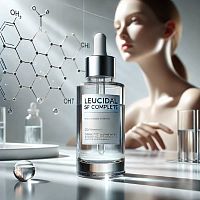
- Широкий ассортимент: От энзимов папаина и бромелайна до фильтратов пробиотиков и растительных лизатов.
- Высокое качество: Все компоненты проходят строгий контроль качества.
- Гибкость поставок: Оптовые и розничные объемы для разных потребностей.
- Доставка по всему миру: Быстрая и надёжная логистика.
Популярные продукты в разделе "Энзимы, фильтраты, лизаты":
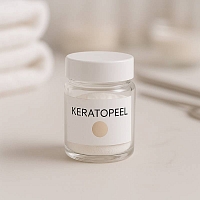
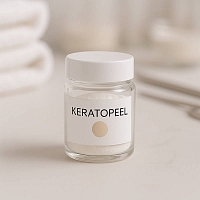
- Энзим папаин – для мягкого очищения и пилинга.
- Фильтрат галактомицетов – интенсивное увлажнение и питание кожи.
- Лизат пробиотиков – укрепление микробиома и защита кожи.
Изучите полный ассортимент в разделе «Энзимы, фильтраты, лизаты» на сайте "Мыло Опт".