-
 DIY: Video master classes
-
 Aromatherapy
-
 Felting master classes
-
 Eating at home
-
 DIY cosmetics for children
-
 Cooking recipes
-
 Detergents, cleaning products with your own hands
-
 Soap making as a business
-
 Natural cosmetics. Raw materials for cosmetics and soap.
-
 Natural oils in cosmetics
-
 News
-
 Recipes for balms and conditioners
-
 Bath Bomb Recipes
-
 Cream recipes. Cream making.
-
 Lotion recipes. Gel recipes.
-
 Mask recipes
-
 Soap recipes. Base soap. Soap from scratch.
-
 Recipes for all occasions
-
 Natural shampoo recipes
-
 Healthy Nutrition Recipes
-
 Scrub recipes. Massage tiles. Ubtan
-
 DIY candles
-
 Reference materials, questions, tips
-
 Startup - soap production
-
 Hair care. Tips, recipes
-
 Facial skin care. Cleansers.
-
 Body care. Tips, recipes
-
 Photo Reviews
-
 Chocolate Handmade


What preservatives are best used to create shampoos and shower gels?
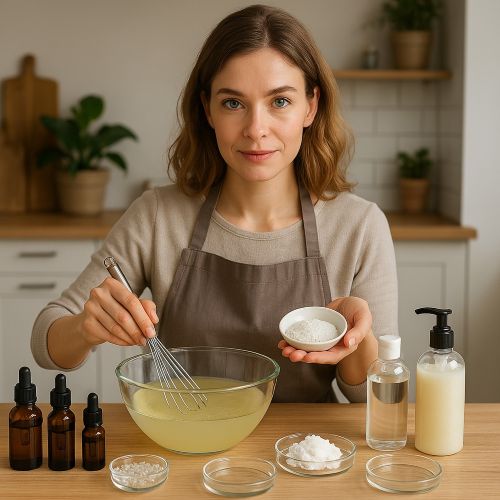 Creating your own shampoos and shower gels can be a deeply rewarding experience. It offers unparalleled control over ingredients, allowing you to tailor products precisely to your skin and hair needs, avoid harsh chemicals, and embrace a more natural lifestyle. However, when it comes to any cosmetic product containing water, there's a critical, often misunderstood component: the preservative. Skipping this vital ingredient in water-based formulations isn't just about product spoilage; it's a significant health risk. This comprehensive guide will delve into why preservatives are non-negotiable for DIY shampoos and shower gels, explore the best options available for home formulators, provide detailed recipes, and highlight the myriad advantages of crafting your own safely preserved body care products.
Why Preservatives Are Non-Negotiable in Water-Based Cosmetics
Imagine leaving food out on the counter – eventually, it will spoil due to microbial growth. The same principle applies to homemade cosmetics. Any product containing water (which includes virtually all shampoos and shower gels) is an ideal breeding ground for bacteria, mold, and yeast. These microorganisms are ubiquitous in our environment – on our hands, in the air, and even in supposedly clean water.
-
Microbial Contamination: Without a proper preservative system, your product can become heavily contaminated within days or even hours.
-
Product Degradation: Microbes break down the ingredients, causing changes in color, odor, texture, and efficacy. Your beautifully crafted gel might separate, smell sour, or lose its ability to clean.
-
Health Risks: The most critical concern is the risk of skin infections, irritation, and allergic reactions caused by applying a product teeming with harmful bacteria or fungi. This is especially dangerous if the product comes into contact with broken skin or mucous membranes.
It's important to distinguish true preservatives from antioxidants (like Vitamin E or Rosemary Oleoresin Extract - ROE). Antioxidants prevent the oxidation of oils (rancidity), but they do nothing to stop microbial growth in the water phase. For any product containing water, a broad-spectrum preservative is absolutely essential for safety and shelf life.
Understanding Cosmetic Preservatives: Types and Safety
When selecting a preservative for your DIY projects, you need a "broad-spectrum" option, meaning it's effective against bacteria, mold, and yeast. Always purchase cosmetic-grade preservatives from reputable suppliers and follow their recommended usage rates, pH range, and addition temperature.
Here are some of the best and most commonly used broad-spectrum preservatives suitable for DIY shampoos and shower gels:
-
Geogard 221 (INCI: Benzyl Alcohol, Dehydroacetic Acid, Aqua) / Cosgard (similar):
-
Useful Properties: One of the most popular "natural-compatible" preservatives, often approved by organic certification bodies (like EcoCert). It's effective over a wide pH range (typically 2-7) and is well-tolerated by the skin.
-
Nuances: Has a slight almond-like scent, which usually dissipates or is masked by essential oils. You must add it to the cooling phase (below 40°C) as it's heat-sensitive.
-
Dosage: Typically 0.6% - 1% of the total formula.
-
-
Euxyl PE 9010 (INCI: Phenoxyethanol, Ethylhexylglycerin):
-
Useful Properties: A very effective broad-spectrum preservative globally approved for most cosmetic applications. It works well over a broad pH range (up to 12) and is heat-stable, allowing it to be added in the hot phase if desired, though formulators often add it in the cool-down phase for simplicity. Ethylhexylglycerin enhances the preservative effect of phenoxyethanol and provides a conditioning feel.
-
Nuances: Some individuals may be sensitive to Phenoxyethanol, though allergic reactions are rare at typical cosmetic concentrations.
-
Dosage: Typically 0.5% - 1% of the total formula.
-
-
Liquid Germall Plus (INCI: Propylene Glycol, Diazolidinyl Urea, Iodopropynyl Butylcarbamate):
-
Useful Properties: Highly effective at very low concentrations, making it cost-effective. Provides broad-spectrum protection. Stable over a wide pH range (3-8).
-
Nuances: Contains formaldehyde-releasing agents (Diazolidinyl Urea), which some formulators choose to avoid, though the amount of free formaldehyde is extremely low and considered safe by regulatory bodies. You must add it to the cool-down phase (below 50°C).
-
Dosage: Very low, typically 0.1% - 0.5% of the total formula.
-
Crafting Your Own Body Care: Key Ingredients for DIY Shampoos & Shower Gels
Beyond preservatives, understanding the core components of liquid body care products is essential:
-
Surfactants (Cleansing Agents): These are the ingredients that create lather and clean by lifting dirt and oil.
-
Mild Options: Decyl Glucoside, Coco Glucoside (from coconut oil and sugar), Sodium Cocoyl Isethionate (SCI) (coconut-derived), Cocamidopropyl Betaine (derived from coconut oil, an amphoteric surfactant that boosts foam and reduces irritation).
-
Avoid: Sodium Lauryl Sulfate (SLS), Sodium Laureth Sulfate (SLES) if you aim for milder formulations, as they can be drying or irritating for some.
-
-
Thickeners: Give the product a desirable gel-like consistency.
-
Natural: Xanthan Gum, Guar Gum, Cellulose Gum.
-
Synthetic (often used in DIY): Hydroxyethylcellulose.
-
-
Hydrosols / Distilled Water: The primary liquid base. Distilled water is crucial for purity; hydrosols add beneficial botanical properties and a subtle scent.
-
Glycerin: A humectant that attracts moisture, preventing the skin/hair from feeling stripped after cleansing.
-
Botanical Extracts & Carrier Oils: Provide nourishing and conditioning benefits (e.g., Panthenol, Oat Extract, Jojoba Oil in small amounts).
-
Essential Oils: For natural fragrance and additional therapeutic properties (e.g., Lavender, Tea Tree, Rosemary). Always dilute properly.
-
pH Adjusters: Citric Acid or Lactic Acid (to lower pH), Sodium Bicarbonate solution (to raise pH). The pH of shampoos and shower gels should ideally be between 4.5 and 6.0 for optimal skin/scalp health and preservative efficacy.
Mastering the Art of Preservation: Nuances of Preparation
Creating safe and stable DIY wash-off products requires meticulous attention to detail:
-
Sterilization is paramount: All equipment – measuring spoons, beakers, mixing tools, storage bottles – must be thoroughly cleaned and sterilized. Boiling for 10-15 minutes, sanitizing with 70% isopropyl alcohol, or using a dishwasher's sanitizing cycle are common methods. Air dry completely.
-
Accurate Measuring: Always use a digital scale (preferably one that measures to 0.01g) for precise measurements, especially for preservatives and active ingredients. Small deviations can significantly impact efficacy.
-
Temperature for Preservative Addition: Most preservatives (like Geogard 221, Liquid Germall Plus) are heat-sensitive and should be added during the "cool-down" phase, typically below 40-50°C (104-122°F). Euxyl PE 9010 is more heat-stable but is often added at cool-down to simplify the process.
-
pH Testing & Adjustment: After all ingredients are mixed, use pH strips or a pH meter to test the final product's pH. Adjust with small additions of citric acid solution (to lower) or baking soda solution (to raise) until the target pH (4.5-6.0) is achieved. This ensures both skin compatibility and preservative effectiveness.
-
Batch Size: Especially when starting out, make smaller batches. This minimizes waste if a batch goes wrong and ensures you're always using fresh product.
-
Mixing Thoroughly: Ensure all ingredients, particularly thickeners and preservatives, are fully dissolved and evenly dispersed throughout the mixture to prevent separation or ineffective preservation.
Three Detailed Recipes for Preserved DIY Shampoos & Shower Gels
These recipes are designed for approximately 200 ml (or 200 grams) of finished product. Always calculate preservative percentages based on the total weight of your finished product.
Important Note: Because these products contain water, a broad-spectrum cosmetic preservative is absolutely essential for safety and shelf life. Do not skip this step. Always follow the manufacturer's recommended dosage for your chosen preservative.
Recipe 1: Gentle Everyday Hydrating Shower Gel
A mild and moisturizing shower gel, suitable for most skin types, including slightly sensitive skin.
Ingredients (for 200g):
-
Distilled Water: 100g (50%)
-
Coco Glucoside: 50g (25%) - Primary mild surfactant
-
Cocamidopropyl Betaine: 30g (15%) - Secondary surfactant, foam booster
-
Vegetable Glycerin: 10g (5%) - Humectant, moisturizing
-
Xanthan Gum: 2g (1%) - Thickener
-
Geogard 221 (or Cosgard): 2g (1%) - Broad-spectrum preservative
-
Essential Oil Blend (e.g., Lavender & Sweet Orange): 20-30 drops (approx. 0.5-0.75g) - For fragrance
-
Citric Acid Solution (20% in distilled water): q.s. (as needed) - For pH adjustment
Preparation Nuances & Instructions:
-
In a clean, sterilized bowl, slowly sprinkle the Xanthan Gum into the Distilled Water while constantly whisking or using a mini-mixer to prevent clumping. Mix until fully hydrated and a gel forms (this may take 15-30 minutes).
-
Add Coco Glucoside, Cocamidopropyl Betaine, and Vegetable Glycerin to the Xanthan Gum gel. Stir gently to combine without creating too much foam.
-
Add the Geogard 221 preservative. Stir thoroughly for at least 2 minutes to ensure even distribution.
-
Measure the pH of the mixture using a pH strip. It should be between 4.5 and 6.0. If higher, add the Citric Acid Solution drop by drop, stirring well after each addition, until the desired pH is reached.
-
Add your chosen essential oils. Stir gently one last time.
-
Carefully transfer the shower gel into a sterilized pump or squeeze bottle. Let it rest for 24 hours for the bubbles to dissipate and the gel to fully settle.
Recommendations for Use:
Apply a small amount to a wet loofah or directly onto skin. Lather well and rinse thoroughly. Suitable for daily use. Follow with a body lotion for extra hydration.
Storage & Shelf Life:
Store in a cool, dark place away from direct sunlight. With proper preservation, this shower gel should be stable for 3-6 months. Discard immediately if you notice any changes in color, scent, or consistency, or if separation occurs.
Advantages over Industrial Analogues:
-
Sulfate-Free: Uses mild, plant-derived surfactants, reducing the risk of skin dryness or irritation.
-
Controllable Fragrance: Uses natural essential oils, avoiding synthetic perfumes that can cause allergies.
-
Customizable Hydration: Glycerin content can be adjusted, and you can add other humectants or extracts.
-
Transparency: You know every single ingredient that touches your skin.
Recipe 2: Balancing & Clarifying Shampoo for Oily Scalp
This shampoo helps to control excess oil, clarify the scalp, and leave hair feeling fresh.
Ingredients (for 200g):
-
Distilled Water: 90g (45%)
-
Sodium Cocoyl Isethionate (SCI) Powder: 40g (20%) - Primary gentle anionic surfactant
-
Cocamidopropyl Betaine: 40g (20%) - Secondary surfactant, foam and mildness booster
-
Hydrolyzed Wheat Protein: 5g (2.5%) - Hair conditioning, strengthens
-
Peppermint Hydrosol (or cooled green tea infusion): 10g (5%) - Refreshing, astringent
-
Xanthan Gum: 2g (1%) - Thickener
-
Euxyl PE 9010: 2g (1%) - Broad-spectrum preservative
-
Tea Tree Essential Oil: 10 drops (approx. 0.25g) - Clarifying, anti-fungal
-
Rosemary Essential Oil: 10 drops (approx. 0.25g) - Scalp stimulant, promotes healthy hair
-
Lactic Acid (88% solution): q.s. (as needed) - For pH adjustment
Preparation Nuances & Instructions:
-
In a heat-safe beaker, combine Distilled Water and Peppermint Hydrosol. Heat gently on a double boiler until warm (approx. 40-50°C).
-
In a separate, dry bowl, carefully weigh out the SCI powder. SCI can be dusty, so work in a well-ventilated area or wear a mask.
-
Slowly add the warm water/hydrosol mixture to the SCI powder while gently stirring until SCI is fully dissolved. This can take some time and requires patience. Avoid excessive agitation to prevent too much foam.
-
Once SCI is dissolved, add Cocamidopropyl Betaine. Stir gently.
-
In a small separate dish, whisk Xanthan Gum with a tiny amount of Glycerin or a few drops of the liquid surfactants to create a slurry. Add this slurry to the main mixture while constantly stirring to avoid lumps. Continue stirring until the mixture begins to thicken.
-
Allow the mixture to cool down to below 40°C. Add Hydrolyzed Wheat Protein and Euxyl PE 9010. Stir thoroughly for several minutes.
-
Measure the pH. For scalp health, aim for a pH between 5.0 and 5.5. Adjust with Lactic Acid drop by drop if needed.
-
Add Tea Tree and Rosemary essential oils. Stir gently.
-
Transfer to a sterilized shampoo bottle. Let it rest for 24-48 hours for the consistency to fully set and bubbles to disappear.
Recommendations for Use:
Wet hair thoroughly. Apply a small amount of shampoo to the scalp and gently massage to create lather. Rinse thoroughly. A second wash can be done if needed. Follow with a lightweight conditioner.
Storage & Shelf Life:
Store in a cool, dark place. This shampoo should be stable for 3-6 months. Discard if any changes are observed.
Advantages over Industrial Analogues:
-
Sulfate-Free & Gentle: Uses mild surfactants less likely to strip the scalp or cause irritation.
-
Targeted Actives: Peppermint hydrosol and essential oils specifically target oily scalp concerns without harsh chemicals.
-
No Silicone Build-up: Free from silicones that can weigh down hair and accumulate on the scalp.
-
Freshness & Potency: Ensures active ingredients are fresh and effective.
Recipe 3: Nourishing & Soothing Shower Gel for Sensitive Skin
Designed for delicate and easily irritated skin, this shower gel is extra mild and hydrating.
Ingredients (for 200g):
-
Distilled Water: 95g (47.5%)
-
Decyl Glucoside: 60g (30%) - Ultra-mild, non-ionic surfactant
-
Cocamidopropyl Betaine: 20g (10%) - Mildness and foam booster
-
Vegetable Glycerin: 10g (5%) - Humectant
-
Oat Extract (hydrolyzed): 5g (2.5%) - Soothing, anti-inflammatory
-
Liquid Germall Plus: 0.5g (0.25%) - Broad-spectrum preservative (use at low rate)
-
Essential Oil (e.g., Roman Chamomile or unscented): 0-10 drops (optional, approx. 0.25g) - For very sensitive skin, consider unscented.
-
Lactic Acid (88% solution): q.s. (as needed) - For pH adjustment
Preparation Nuances & Instructions:
-
Sterilize all equipment meticulously.
-
In a clean beaker, combine Distilled Water, Decyl Glucoside, and Cocamidopropyl Betaine. Stir very gently to minimize foam.
-
Add Vegetable Glycerin and Oat Extract. Continue stirring slowly until fully incorporated.
-
Add Liquid Germall Plus. Due to its very low usage rate, ensure precise measurement and thorough stirring for at least 2-3 minutes.
-
Check the pH. Aim for a pH between 5.0 and 5.5. Adjust with Lactic Acid drop by drop if needed.
-
If using essential oil, add it now and stir gently. For highly sensitive skin, it's best to omit essential oils entirely.
-
Carefully pour the shower gel into a sterilized pump bottle. Allow it to sit undisturbed for at least 24 hours to let any bubbles dissipate.
Recommendations for Use:
Apply to damp skin or a soft washcloth, gently lather, and rinse. This formula is extra mild and designed to cleanse without stripping the skin's natural moisture barrier. Suitable for daily use on delicate or easily irritated skin.
Storage & Shelf Life:
Store in a cool, dark place. This shower gel should be stable for 3-6 months. Discard if any signs of spoilage appear.
Advantages over Industrial Analogues:
-
Extremely Mild Surfactants: Uses Decyl Glucoside, one of the gentlest surfactants, ideal for sensitive skin.
-
Soothing Ingredients: Oat extract provides additional calming and anti-inflammatory benefits.
-
Hypoallergenic Focus: Absence of common irritants like harsh sulfates, synthetic dyes, and often, fragrance (if opted out).
-
Controlled Purity: No unnecessary additives or hidden ingredients, reducing the risk of adverse reactions.
The Undeniable Advantages of DIY Preserved Body Care Over Industrial Analogues
While DIY formulation requires a learning curve, the benefits of making your own properly preserved shampoos and shower gels are substantial:
-
Complete Ingredient Control: You dictate every single ingredient. This means avoiding harsh sulfates, parabens, phthalates, synthetic dyes, and artificial fragrances that are common in commercial products and can cause irritation, dryness, or allergic reactions.
-
Tailored Customization: You can formulate products specifically for your unique skin and hair needs – whether it's an extra-gentle gel for eczema, a strong clarifying shampoo for oily scalps, or a luxurious hydrating body wash.
-
Freshness and Potency: Homemade products are made in small batches, ensuring the freshness and potency of natural extracts, essential oils, and other active ingredients that might degrade over time in mass-produced items on store shelves.
-
Cost-Effectiveness (Long-Term): While there's an initial investment in raw ingredients and equipment, the per-unit cost of homemade products is often significantly lower than that of high-quality, natural commercial alternatives.
-
Environmental Benefits: Reduce your plastic waste by reusing bottles and purchasing ingredients in bulk. Embrace a more sustainable approach to personal care.
-
Empowerment and Knowledge: Understanding the science behind your cosmetics empowers you to make informed decisions about what you put on your body, fostering a deeper connection to your self-care routine.
Conclusion: Safe & Sustainable DIY Body Care is Within Reach
The world of DIY shampoos and shower gels is rich with possibilities for customization and natural care. However, the importance of preservation cannot be overstated. By understanding the science behind microbial growth and selecting appropriate, cosmetic-grade broad-spectrum preservatives, you can confidently create safe, stable, and highly effective body care products right in your home. This allows you to reap all the benefits of homemade formulations – from ingredient transparency and tailored efficacy to cost savings and environmental consciousness – all while ensuring the health and safety of your skin and hair. Embrace the power of DIY with knowledge, precision, and the crucial unsung heroes: your preservatives!


Cosmetic ingredients and professional formulation blog
This section features expert materials on modern cosmetic actives. We cover peptides, polynucleotides PDRN, different forms of hyaluronic acid, retinoids, ceramides and other key components.
Special focus is given to active stability, ingredient compatibility and correct incorporation into formulas. You will find practical guides on working with anti-age actives, moisturizing complexes and barrier repair ingredients.
We examine how to properly combine myorelaxants with peptides, common mistakes when using unstable vitamin C forms and ways to improve the performance of moisturizing actives.
Separate materials are dedicated to base oils, extracts, emulsifiers and supporting ingredients. This helps create stable and effective formulas for both professional and home cosmetics.
The blog regularly publishes reviews of trending actives, comparisons of similar ingredients and step-by-step formulation recommendations. The content is aimed at formulators, technologists and anyone seriously involved in creating cosmetic products.
Why this blog is useful
Here you will find practical data on eye area care actives, lifting systems and ingredients that improve skin firmness and tone. We rely on real formulation experience and address the actual challenges that arise during product development.
You can also explore materials on skin protection and repair, depigmentation and anti-inflammatory actives. This approach supports a more systematic selection of ingredients.
FAQ
What topics are covered most often
The blog focuses on peptides, PDRN, hyaluronic acid of different molecular weights, retinoids, ceramides and their compatibility rules.
Are there practical recommendations on how to incorporate actives
Yes, most articles include practical notes on pH stability, incorporation temperature and common formulation mistakes.
Is the content only for professionals
The materials are useful both for formulators and technologists and for those who create cosmetics for personal use and want to understand how modern ingredients work.
Where can I go directly to the ingredients
All key actives are collected in the Actives section, while base components are available in base oils and related categories.



