-
 Absolutes
-
 Active Complexes
-
 Actives & Peptides
-
 Amino Acids & Proteins
-
 Food Flavors
-
 Ayurvedic Ingredients & Herbs
-
 Vitamins & Coenzymes
-
 Chocolate Making Supplies
-
 Thickeners & Gelling Agents
-
 Hydrosols & Floral Waters
-
 Hydrolyzed Proteins
-
 Fragrance Ingredients
-
 Nutraceutical Ingredients
-
 Acids, Salts, Alcohols & Alkalis
-
 Preservatives & Antioxidants
-
 Cosmetic Ingredients
-
 Colorants, Micas & Glitters
-
 Masks, Scrubs & Botanicals
-
 Oils & Butters
-
 Candle Making Supplies
-
 Melt and Pour Soap Bases
-
 Cream, Lotion & Hair Care Bases
-
 Fragrance Oils & Industrial Aromatics
-
 Cleansing Agents & Surfactants
-
 Peeling Actives & Acids
-
 Cosmetic Powders
-
 Solvents & Humectants
-
 Silicones & Conditioning Agents
-
 Bottles, Jars & Vials
-
 Silicone & Plastic Molds, Tools
-
 Botanical Extracts
-
 Cosmetic Emollients
-
 Emulsifiers
-
 Essential Oils
- Anti-Aging & Fine Lines 640
- Hair & Scalp Treatments 418
- Body Contouring & Slimming Actives 95
- Mineral Skincare 60
- Vegan Cosmetic Actives 205
- Hyaluronic Acid (HA) 56
- Skin Lightening & Depigmentation Actives 158
- Skin Barrier & Repair Actives 434
- Lifting Systems 124
- Myorelaxants 48
- Body Shaping Actives 84
- Peptides for Cosmetics 294
- Polynucleotides (PDRN) 97
- Anti Inflammatory And Anti Acne Actives 230
- Moisturizing Actives 509
- Skin Firmness and Tone Actives 325
- Actives For Eye Contour Care 160
- Actives for Sensitive Skin 246
- Exosomes 61
- Cosmetic Actives Wholesale 2821
- Peptides Wholesale 549


Hyaluronic Acid (HA)
 Add to cart

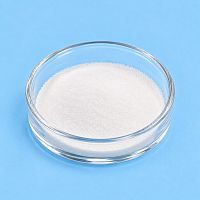
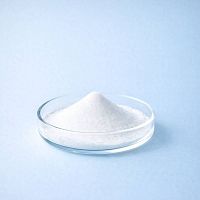
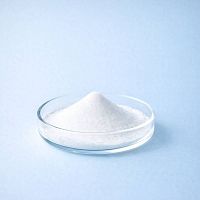
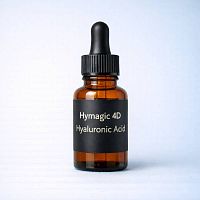
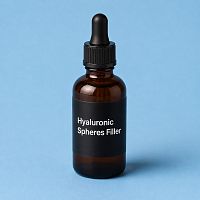


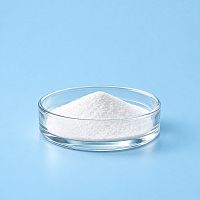
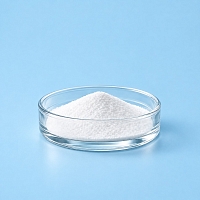

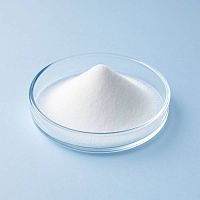
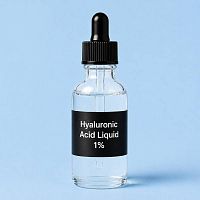



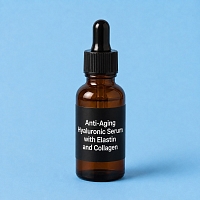

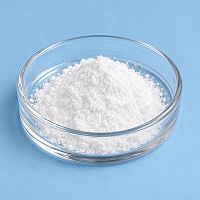
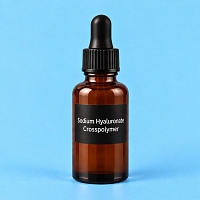
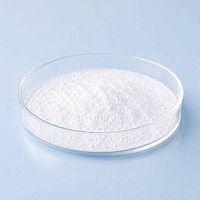
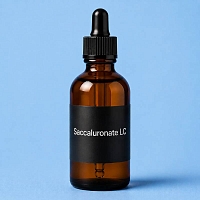

Water binding agents and functional actives for stable formulas
This section brings together hyaluronic acid in several molecular weights along with related functional actives used to build serums, emulsions, gels and other water based formulas. Buyers here are formulators and manufacturers who need ingredients with a defined role in a recipe rather than finished cosmetic products.
Low molecular weight grades tend to sit closer to the surface of the skin, while higher molecular weight versions form a film and support texture in creams and gels. Many labs combine several weights in one formula to get both a light feel and a fuller finished look, and the same raw materials are used across serums, sheet mask fluids, ampoules and leave on lotions.
Formulators sourcing hyaluronic acid usually also work through our wider range of cosmetic actives and peptides for cosmetics, pairing water binding ingredients with peptide complexes or other actives in the same batch.
Molecular weight ranges and how they behave
Inside this section the main distinction is molecular weight, and it changes how each grade behaves in a finished product. Low Molecular Weight Hyaluronic Acid 1 g and its larger pack, Low Molecular Hyaluronic Acid 50 g, penetrate more easily into the upper layers of skin and give a lighter, less tacky finish in thin serums and toners.
Medium Molecular Weight Hyaluronic Acid 50 g sits between the two extremes and is often chosen when a formula needs both some surface smoothing and a bit of cushioning without heaviness. On the other end, High Molecular Weight Hyaluronic Acid 1 g and High Molecular Weight Hyaluronic Acid 50 g stay closer to the surface, form a thin film and add slip and a smoother after-feel to creams, gels and lotions.
Choosing a grade and building a recipe around it
The choice usually starts with the texture and finish a brand wants. A watery essence or fine mist calls for a lower molecular weight, while a rich night cream or a gel mask benefits from a higher molecular weight for that cushioned, filled-in look. Many production teams blend two or three weights in a single batch to cover both the immediate feel and the longer lasting surface effect.
Because this is a functional building block rather than a finished product, it works alongside a wide range of other ingredients. Formulators often pair it with soothing or brightening actives, as seen in a reference formula like the Whitening Moisturizing Serum for Pigmentation and Tone 50 ml, or combine it with a stabilized complex such as ResistHyal 5 g when a formula needs extra resilience during storage. For labs building layered active systems, it is common to look beyond water binding agents toward our Peptides Wholesale range to add a targeted functional layer on top.
Origin and storage notes
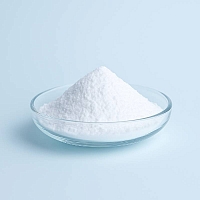
Raw materials in this category come from a mix of established manufacturing regions, including Germany, China, France, Italy, the United States, the Czech Republic and Japan, giving formulators some flexibility when sourcing for different batch sizes or budgets. As with most powder and concentrate actives, these materials keep their properties best in a cool, dry place, sealed tightly between uses to limit moisture uptake, since hyaluronic acid powders are naturally prone to absorbing humidity from the air.
FAQ
What is the difference between low and high molecular weight hyaluronic acid?
Low molecular weight grades penetrate closer to the surface layers of skin and feel lighter in a finished texture, while high molecular weight grades sit on top and form a film that supports viscosity and a fuller feel. Many formulas blend both for balanced hydration and structure.
Can different molecular weights be combined in one formula?
Yes, combining low, medium and high molecular weight hyaluronic acid in a single batch is a common approach. This gives a formula both immediate lightness and a longer lasting surface effect, which is why many serums and gels list several grades together.
What products can be made with hyaluronic acid from this section?
These grades are used across serums, emulsions, gels, sheet mask fluids, ampoules and leave on lotions. The same raw material works in light watery formulas and in richer creams, depending on the molecular weight chosen and the amount used.
How should hyaluronic acid powder be stored before use?
Keep the powder sealed, away from direct light and moisture, in a cool dry place. Exposure to humidity can affect how it dissolves later, so resealing the original packaging tightly after each use helps preserve consistency batch to batch.
Recommendations
Choosing the right grade starts with the finished texture you want: lighter low molecular weight powders for fluid serums and ampoules, higher molecular weight versions for creams and gels that need more body. For a fuller effect many formulators order a few weights together and adjust the ratio during testing. If you are unsure which combination fits your recipe, our team can help by email, and orders are typically assembled within three to five working days.



