-
 Absolutes
-
 Active Complexes
-
 Actives and Peptides for Cosmetics
-
 Amino Acids
-
 Food Flavorings
-
 Ayurveda
-
 Vitamins
-
 Gelling Agents and Thickeners
-
 Hydrosols and Floral Waters
-
 Hydrolyzed Proteins
-
 Fragrant and aromatic substances
-
 Acids, Salts, Alcohols, and Alkalis
-
 Preservatives and Antioxidants
-
 Cosmetic Raw Materials
-
 Dyes, Pearlescents, and Glitters
-
 Face Masks, Scrubs, and Dried Flowers
-
 Natural Base Oils for Cosmetics
-
 Candle Supplies
-
 Melt and Pour Soap Bases
-
 Base for cosmetics, cream, serum, shampoo
-
 Fragrance Oils
-
 Surfactants
-
 Peelings for Skin
-
 Herbal Powders and Plant
-
 Silicones and Conditioning Surfactants for Hair
-
 Packaging for Cosmetics and Perfumes
-
 Molds, Packaging, Tools
-
 Organic Extracts
-
 Emollients for Cosmetics
-
 Emulsifiers
-
 Essential Oils
- Anti-Aging Actives 370
- Active Ingredients for Hair 297
- Actives for Body Shaping and Weight Loss 93
- Mineral Actives 53
- Vegetarian Actives, Cosmetic Actives, Peptides 146
- Hyaluronic Acid and Actives for Cosmetic 44
- Depigmentation and Skin Lightening 117
- Skin Protection and Restoration 213
- Lifting Systems 83
- Myorelaxants 41
- Shaping Actives for the Body 84
- Peptides for Cosmetics 223
- Anti-inflammatory and Mattifying Ingredients 184
- Moisturizing Actives 369
- Skin Firmness and Tone Actives 221
- Skincare Around the Eyes 74
- Actives for Sensitive Skin 97
- Cosmetic Actives Wholesale 2067
- Peptides Wholesale 403


Depigmentation and Skin Lightening

 Add to cart

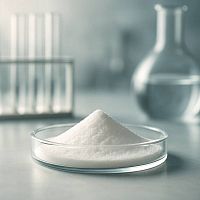



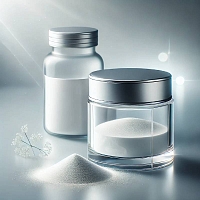
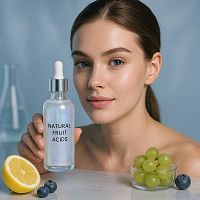
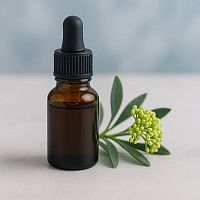

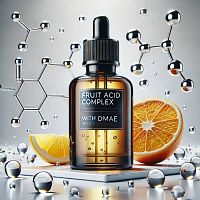
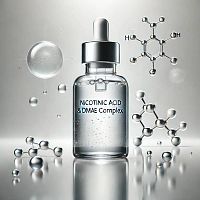

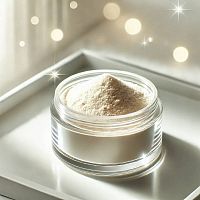
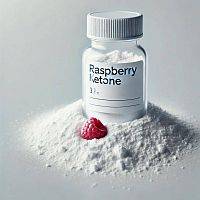
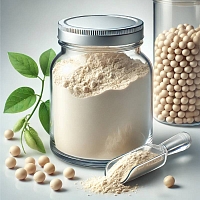
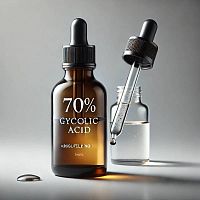

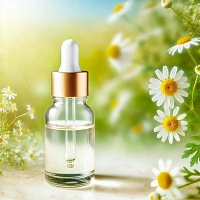

Депигментация и осветление кожи: Решения от Мыло Опт
В раздел "Депигментация и осветление" интернет-магазина Мыло Опт представлены активные ингредиенты и комплексы, направленные на борьбу с пигментацией кожи, устранение веснушек, осветление и отбеливание кожи. Эти средства находят широкое применение как в профессиональной косметике, так и в домашних условиях для ухода за кожей, подверженной появлению пигментных пятен и неровностей.
Назначение активов для депигментации и осветления
Основная цель использования активов для депигментации — это уменьшение интенсивности пигментных пятен и общего оттенка кожи, а также предотвращение появления новых пятен. Осветляющие компоненты помогают выровнять тон кожи, придавая ей более сияющий и здоровый вид.
Активные ингредиенты, представленные в этом разделе, воздействуют на меланогенез — процесс образования меланина, который и отвечает за цвет кожи. Под воздействием этих активов уменьшается производство меланина в клетках, что приводит к осветлению существующих пигментных пятен и предотвращению новых.
Применение в различных отраслях
Активы для депигментации и осветления кожи широко используются в косметологии и дерматологии. Их можно найти в составе различных косметических средств, таких как кремы, сыворотки, маски и лосьоны. Эти средства эффективно применяются для:
-
Лечения гиперпигментации: Гиперпигментация — это состояние, при котором на коже появляются темные пятна из-за избыточного производства меланина. Такие активы, как ниацинамид и арбутин, входят в состав продуктов для уменьшения интенсивности гиперпигментации.
-
Осветление веснушек и пигментных пятен: Веснушки и пигментные пятна могут быть следствием воздействия солнечных лучей или старения кожи. Активные комплексы и пептиды, представленные на сайте Мыло Опт, направлены на мягкое осветление таких дефектов, при этом не повреждая кожу.
-
Отбеливание кожи: Отбеливающие средства используются для общего осветления кожи, придания ей более равномерного и яркого оттенка. Например, Актив "Био-белизна" идеально подходит для создания средств с отбеливающим эффектом.
-
Профилактика появления новых пятен: Важной задачей депигментирующих средств является предотвращение появления новых пигментных пятен, особенно после процедур, связанных с удалением пигментации.
Презентация продуктов
Мыло Опт предлагает различные активные комплексы и ингредиенты, которые эффективно справляются с депигментацией и осветлением кожи:
-
Актив "Арбутин": Арбутин — это мощный ингибитор меланогенеза, который эффективно борется с пигментацией. Он мягко осветляет кожу и уменьшает видимость пигментных пятен.
-
Актив "Койевая кислота": Койевая кислота — это природный ингредиент, получаемый из грибов, который известен своими осветляющими и антивозрастными свойствами. Она эффективно борется с гиперпигментацией и улучшает общий тон кожи.
-
Актив "Азелаиновая кислота": Азелаиновая кислота используется для лечения акне и осветления поствоспалительных гиперпигментаций, делая кожу более ровной и гладкой.
Как пользоваться активами для депигментации и осветления кожи
Использование активных ингредиентов для депигментации требует особого внимания и соблюдения рекомендаций, чтобы избежать раздражения кожи и получить максимальный эффект:
-
Дозировка: Рекомендуется использовать активы в концентрациях, указанных производителем, обычно от 0,5% до 5% в зависимости от типа активного вещества и желаемого эффекта.
-
Нанесение: Средства наносятся на чистую кожу утром и/или вечером, в зависимости от рекомендаций. Важно наносить солнцезащитные средства в течение дня, так как многие депигментирующие активы повышают чувствительность кожи к ультрафиолету.
-
Сочетание с другими средствами: Активные компоненты для осветления можно сочетать с увлажняющими и антиоксидантными средствами для усиления эффекта и защиты кожи.
Рецепт
Рецепт осветляющей сыворотки с арбутином:
Ингредиенты:
- 1 г арбутина
- 30 мл дистиллированной воды
- 10 мл гиалуроновой кислоты
- 5 капель витамина Е
Инструкция:
- Растворите арбутин в дистиллированной воде при комнатной температуре.
- Добавьте гиалуроновую кислоту и тщательно перемешайте.
- Введите витамин Е и снова перемешайте до получения однородной смеси.
- Перелейте сыворотку во флакон и храните в прохладном, темном месте.
- Наносите на чистую кожу лица и шеи утром и вечером, избегая области вокруг глаз.
Заключение
Активные ингредиенты для депигментации и осветления кожи, представленные в разделе "Депигментация и осветление" интернет-магазина Мыло Опт, — это эффективные и безопасные компоненты, которые позволяют создавать качественные и результативные косметические средства. Независимо от того, хотите ли вы уменьшить пигментные пятна, осветлить кожу или предотвратить появление новых дефектов, активы от Мыло Опт помогут вам достичь желаемых результатов.
Для получения дополнительной информации и оформления заказа посетите наш сайт Мыло Опт.