-
Absolutes
-
Active Complexes
-
Actives & Peptides
-
Amino Acids & Proteins
-
Food Flavors
-
Ayurvedic Ingredients & Herbs
-
Vitamins & Coenzymes
-
Chocolate Making Supplies
-
Thickeners & Gelling Agents
-
Hydrosols & Floral Waters
-
Hydrolyzed Proteins
-
Fragrance Ingredients
-
Nutraceutical Ingredients
-
Acids, Salts, Alcohols & Alkalis
-
Preservatives & Antioxidants
-
Cosmetic Ingredients
-
Colorants, Micas & Glitters
-
Masks, Scrubs & Botanicals
-
Oils & Butters
-
Candle Making Supplies
-
Melt and Pour Soap Bases
-
Cream, Lotion & Hair Care Bases
-
Fragrance Oils & Industrial Aromatics
-
Cleansing Agents & Surfactants
-
Peeling Actives & Acids
-
Cosmetic Powders
-
Solvents & Humectants
-
Silicones & Conditioning Agents
-
Bottles, Jars & Vials
-
Silicone & Plastic Molds, Tools
-
Botanical Extracts
-
Cosmetic Emollients
-
Emulsifiers
-
Essential Oils
Candle making tools
Equipment for precise pouring, wick centering and finishing
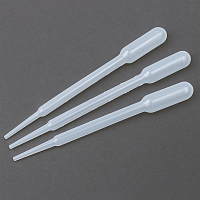
This section brings together the hardware side of candle production: pouring pitchers, thermometers, wick centering tools, stirring spatulas, heat sources and finishing accessories. These are the physical instruments that control temperature, keep wicks aligned and help shape a clean, consistent finish, distinct from the waxes, fragrance oils and colorants used in the actual formula.
Such tools support both small-batch work and larger production runs, where consistent temperature control and wick placement directly affect burn quality and appearance. A steady pitcher with a spout reduces spillage during pouring, while a reliable thermometer helps track the exact moment to add fragrance or move to the next stage. For those building out a full production line, it pairs naturally with our candle making supplies range and the candle fragrance oils used to scent finished pieces.
Beyond pouring itself, this category covers cleanup and detailing tools that help correct surface imperfections, trim excess wax and keep equipment ready for the next batch, which matters for anyone running repeated production cycles rather than a single occasional pour.
Types of tools and how they differ
Pouring pitchers vary mainly by material and capacity. Stainless steel versions hold heat longer and resist dents, while heat-resistant plastic or aluminum pitchers are lighter and easier to clean between small batches. A spout shape that pours in a thin, controlled stream reduces drips and helps when working with layered pours or narrow containers such as those found in our Candle Jars range.
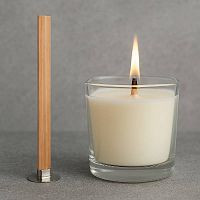
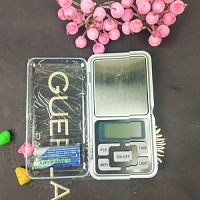
Thermometers differ in response speed and mounting style. Clip-on thermometers stay fixed to the side of a pouring pitcher for hands-free monitoring, while probe or digital models give a faster readout when checking multiple batches at once. Wick centering tools also come in several forms, from simple bar-style holders that span a container opening to adjustable clips sized for narrower or wider vessels, keeping the wick straight as the wax sets.
Choosing the right tool and pairing it with your process
Selection usually starts with batch size and container shape. Larger production runs benefit from bigger-capacity pitchers and sturdier centering tools that can be reused across many pours without warping, while smaller, occasional batches work well with lighter, more compact equipment. Container width and depth also matter, since a centering tool that fits a tall jar may not sit properly on a shallow or wide-mouthed one.
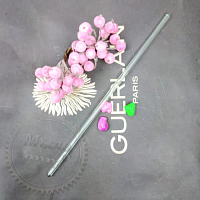
These tools are typically used alongside the base materials that make up the actual formula. Stirring spatulas and thermometers help manage the temperature stages needed when blending candle making raw materials, while accurate pouring reduces streaking when working with candle colorants. For projects built around candle making molds rather than jars, a pitcher with a narrow spout and a flexible centering setup makes it easier to fill detailed cavities without overflow.
Storage and compatibility with other candle formats
Metal and heat-resistant tools generally store well at room temperature and only need thorough cleaning between uses to prevent old wax or fragrance residue from affecting the next batch. Thermometers should be wiped down promptly after each use, since hardened wax on the probe can slow down or distort future readings.
The same finishing tools apply across formats beyond standard container candles. Anyone working with wax for loose candles or building projects from our broader gel candle supplies selection will still rely on accurate temperature checks and steady pouring, since both formats are sensitive to overheating and uneven cooling. Browsing the full candle supplies catalog alongside this section helps when planning a complete production setup rather than sourcing tools in isolation.
FAQ
What tools do I need for pouring candles cleanly without spills
A pouring pitcher with a well shaped spout is the main tool, since it directs the wax stream and reduces drips along the sides. Pairing it with a thermometer helps you pour at the right temperature, which also affects how clean the edges of the finished candle look.
How do I keep the wick centered while the wax sets
A wick centering tool holds the wick straight and in place across the top of the container while the wax cools and hardens. This prevents the wick from drifting to one side, which can cause uneven burning or tunneling once the candle is lit.
What kind of thermometer is suitable for candle pouring
A thermometer with a clear readout and a range covering typical melting and pouring temperatures is enough for most work. Digital or dial models both work well, and either lets you track when to add fragrance or move wax to the next step.
How do I clean and maintain pouring and finishing tools between batches
Wipe pitchers, spatulas and centering tools while the wax is still warm and soft, since dried wax is harder to remove. Keeping equipment clean between pours also avoids old wax residue mixing into a new batch and affecting the finish.
Recommendations
Choosing the right pouring and finishing tools depends on your batch size and container shapes. Smaller pitchers suit detailed or low volume pours, while larger ones save time on bigger runs. Pick a thermometer with a clear range for your typical working temperatures, and a centering tool sized to your container openings. For sourcing a set that matches your production scale, reach out by email and we will help put together the right combination.


Add to cart
Subscribe