-
 Absolutes
-
 Active Complexes
-
 Actives & Peptides
-
 Amino Acids & Proteins
-
 Food Flavors
-
 Ayurvedic Ingredients & Herbs
-
 Vitamins & Coenzymes
-
 Chocolate Making Supplies
-
 Thickeners & Gelling Agents
-
 Hydrosols & Floral Waters
-
 Hydrolyzed Proteins
-
 Fragrance Ingredients
-
 Nutraceutical Ingredients
-
 Acids, Salts, Alcohols & Alkalis
-
 Preservatives & Antioxidants
-
 Cosmetic Ingredients
-
 Colorants, Micas & Glitters
-
 Masks, Scrubs & Botanicals
-
 Oils & Butters
-
 Candle Making Supplies
-
 Melt and Pour Soap Bases
-
 Cream, Lotion & Hair Care Bases
-
 Fragrance Oils & Industrial Aromatics
-
 Cleansing Agents & Surfactants
-
 Peeling Actives & Acids
-
 Cosmetic Powders
-
 Solvents & Humectants
-
 Silicones & Conditioning Agents
-
 Bottles, Jars & Vials
-
 Silicone & Plastic Molds, Tools
-
 Botanical Extracts
-
 Cosmetic Emollients
-
 Emulsifiers
-
 Essential Oils
- Absolutes Wholesale 87
- Active Complexes for Cosmetics Wholesale 388
- Amino Acids & Proteins Wholesale 90
- Antioxidants Wholesale 293
- Ayurvedic Powders Wholesale 273
- Biocides Wholesale 16
- Thickeners and Gelling Agents in Bulk 112
- Bulk Hydrosols for Cosmetics 10
- Hydrocolloids in Bulk 5
- Hydrolyzed Proteins Wholesale 106
- Aromatic Fragrant Waters Wholesale 27
- Fragrance Ingredients Bulk 168
- Preservatives & Antioxidants Wholesale 157
- Corneotherapy Wholesale 10
- Cosmetic Clay Wholesale 14
- Neutralizers/pH Correctors Wholesale 17
- Surfactants Wholesale 144
- Cosmetic Peelings Wholesale 77
- Cosmetic Powders Wholesale 403
- Silicones and Conditioning Surfactants for Hair Wholesale 116
- Resins and Resinoids Wholesale 17
- UV and SPF Filters Wholesale 84
- Cosmetic Emollients Wholesale 132
- Emulsifiers Wholesale 328
- Enzymes, Filtrates and Lysates in Bulk 35


Hydrolyzed Proteins Wholesale
 Add to cart
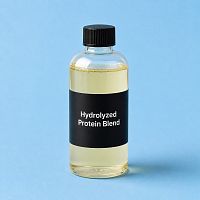
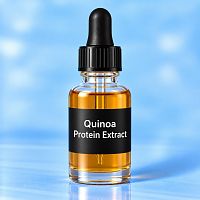
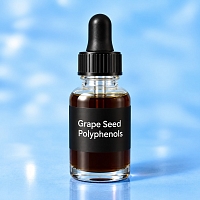
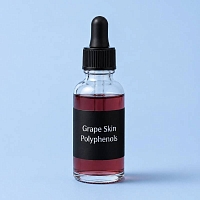
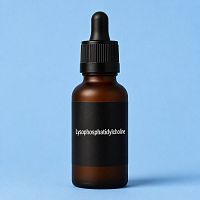
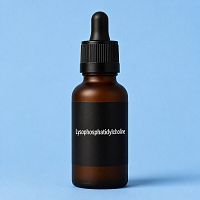
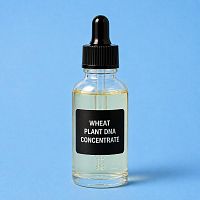


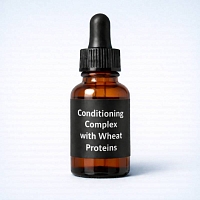
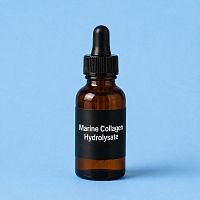
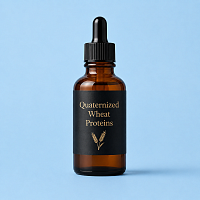
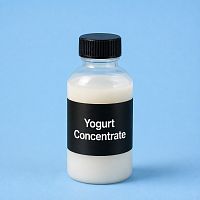
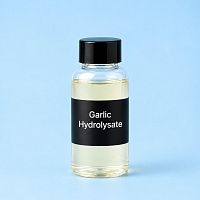
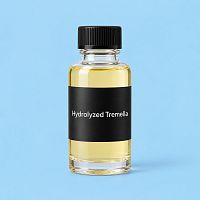
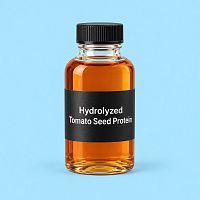
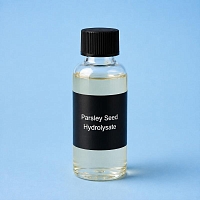
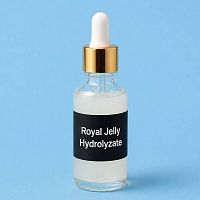
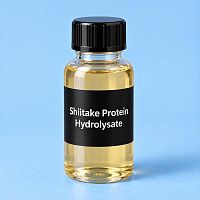
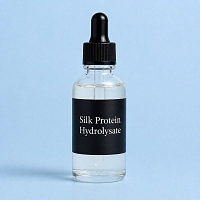
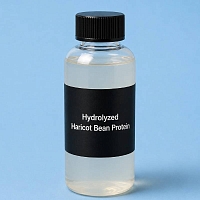
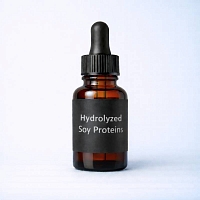
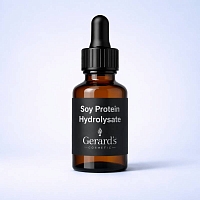
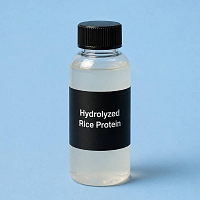
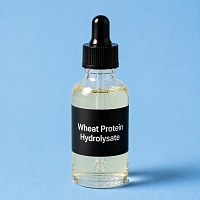
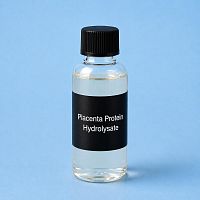
Protein hydrolysates for conditioning and film-forming formulas
This section brings together hydrolyzed proteins derived from wheat, silk, soy, oat, keratin and collagen sources, broken down into peptides and amino acids of varying molecular weight. Formulators use them to build conditioning, moisturizing and film-forming properties into a wide range of cosmetic products, from leave-in treatments to daily skin serums.
Because molecular weight determines how a protein behaves on hair or skin, low weight fractions penetrate deeper and support internal repair signals, while higher weight fractions sit on the surface and form a light protective film. This makes hydrolyzed proteins suitable for shampoos, conditioners, styling products, anti-aging creams, sheet masks and after-sun lotions, wherever a formula needs improved slip, elasticity or moisture retention.
They are frequently paired with other stabilizing ingredients, and formulators sourcing preservatives and antioxidants for the same batch often shop both categories together to keep water-based protein solutions stable over time.
Plant, animal and marine sources compared
Wheat, soy, oat and rice hydrolysates come from grain and legume proteins, offering gentle conditioning with a light, non-greasy feel that suits fine hair and delicate skin formulas. Rice Protein Hydrolyzate and Bean Protein Hydrolysate both fall into this group, contributing softness without weighing hair down.
Keratin and silk hydrolysates are closer in structure to hair itself, which is why Keratin Protein Hydrolyzate and Silk Protein Hydrolyzate are chosen for repair-oriented formulas, smoothing the cuticle and adding a silky finish to serums and treatments. Marine and mineral options, including Pearl Hydrolysate, bring a different profile of amino acids and trace elements, often selected for brightening and refining skin-focused formulas rather than hair care alone.
Fermented and dairy-derived options round out the group. Yogurt Concentrate and Beer Yeast Protein Hydrolysate supply peptides alongside vitamins and minor fermentation metabolites, giving formulators an extra layer of nourishing actives beyond plain protein content.
Choosing a variant and building a compatible formula
Selection usually starts with the target texture and the finish a formula needs. A watery, low-viscosity serum benefits from a lighter fraction such as Soy Protein Hydrolyzate, while a rinse-off conditioner or mask can carry a heavier film-forming protein without feeling sticky on rinsing.
Compatibility with the rest of the batch matters as much as the protein itself. Grape and olive-derived hydrolysates bring antioxidant and lipid-conditioning notes to the same formula, so a batch built around Grape Seed Hydrolysate or Hydrolyzate Olivat can layer conditioning and antioxidant benefits in one step. Formulators building an emulsion around these proteins commonly turn to the Emulsifiers Wholesale section to stabilize the water phase where the hydrolysate sits, since protein solutions need a reliable emulsifier system to stay uniform across the shelf life of the product.
Brand-specific grades, such as Soy Protein Hydrolysate Gerard's Cosmetic, are worth comparing side by side with generic equivalents, since processing methods can shift molecular weight distribution and, in turn, how the finished formula feels on application.
Origin, packaging and storage
Depending on the specific protein, sourcing spans Italy, Germany, France, Spain, the United States and Ukraine, giving formulators a choice between regional suppliers when matching a product's origin story or logistics needs. Most hydrolysates in this section are supplied as liquid concentrates in 1 L containers, a format that suits both small-batch testing and larger production runs.
Being water-based, these solutions should be stored in tightly closed containers away from direct heat and light, and kept cool to slow microbial growth once a container is opened. Checking appearance and odor before each use is a simple way to confirm a batch is still suitable for formulation.
FAQ
What is the difference between hydrolyzed keratin and hydrolyzed collagen in a formula?
Hydrolyzed keratin bonds well with damaged hair structures, reinforcing keratin bundles and improving strand strength, while hydrolyzed collagen is usually chosen for skin formulas, supporting surface hydration and a smoother, plumper texture on application.
Which protein hydrolysate works best for a leave-in conditioner?
Mid to high molecular weight fractions, such as hydrolyzed wheat or silk protein, tend to perform well in leave-in conditioners because they form a light film on the hair shaft, adding slip and softness without weighing strands down.
Can protein hydrolysates be combined in one formula?
Yes, blending a low weight fraction with a higher weight one is common practice, letting a formula deliver both internal conditioning and a surface film, which is why many production batches use two or three hydrolysates together.
How should hydrolyzed protein powders and solutions be stored?
Keep containers tightly sealed, away from direct heat and moisture, and check the batch for any change in color or smell before use, since protein hydrolysates are sensitive to prolonged humidity exposure during storage.
Are plant based protein hydrolysates a substitute for animal derived ones in a recipe?
In many formulas yes, since wheat, soy, oat and rice hydrolysates offer comparable conditioning behavior, though the final texture and film feel can differ slightly, so small scale testing before a full batch is recommended.
Recommendations
When selecting a protein hydrolysate for a new batch, start with the molecular weight profile that matches your target result, lower fractions for penetration and internal support, higher fractions for a surface film and added slip. Check the source, plant, animal or marine, against your formula concept and any labeling requirements for the finished product. For water based systems, plan the pairing with a suitable preservative from the start rather than after the fact. Reach out by email with your batch size and intended application, and our team will help confirm the right hydrolysate and quantity for your production run.