-
 Absolutes
-
 Active Complexes
-
 Actives & Peptides
-
 Amino Acids & Proteins
-
 Food Flavors
-
 Ayurvedic Ingredients & Herbs
-
 Vitamins & Coenzymes
-
 Chocolate Making Supplies
-
 Thickeners & Gelling Agents
-
 Hydrosols & Floral Waters
-
 Hydrolyzed Proteins
-
 Fragrance Ingredients
-
 Nutraceutical Ingredients
-
 Acids, Salts, Alcohols & Alkalis
-
 Preservatives & Antioxidants
-
 Cosmetic Ingredients
-
 Colorants, Micas & Glitters
-
 Masks, Scrubs & Botanicals
-
 Oils & Butters
-
 Candle Making Supplies
-
 Melt and Pour Soap Bases
-
 Cream, Lotion & Hair Care Bases
-
 Fragrance Oils & Industrial Aromatics
-
 Cleansing Agents & Surfactants
-
 Peeling Actives & Acids
-
 Cosmetic Powders
-
 Solvents & Humectants
-
 Silicones & Conditioning Agents
-
 Bottles, Jars & Vials
-
 Silicone & Plastic Molds, Tools
-
 Botanical Extracts
-
 Cosmetic Emollients
-
 Emulsifiers
-
 Essential Oils
- Absolutes Wholesale 87
- Active Complexes for Cosmetics Wholesale 388
- Amino Acids & Proteins Wholesale 90
- Antioxidants Wholesale 293
- Ayurvedic Powders Wholesale 273
- Biocides Wholesale 16
- Thickeners and Gelling Agents in Bulk 112
- Bulk Hydrosols for Cosmetics 10
- Hydrocolloids in Bulk 5
- Hydrolyzed Proteins Wholesale 106
- Aromatic Fragrant Waters Wholesale 27
- Fragrance Ingredients Bulk 168
- Preservatives & Antioxidants Wholesale 157
- Corneotherapy Wholesale 10
- Cosmetic Clay Wholesale 14
- Neutralizers/pH Correctors Wholesale 17
- Surfactants Wholesale 144
- Cosmetic Peelings Wholesale 77
- Cosmetic Powders Wholesale 403
- Silicones and Conditioning Surfactants for Hair Wholesale 116
- Resins and Resinoids Wholesale 17
- UV and SPF Filters Wholesale 84
- Cosmetic Emollients Wholesale 132
- Emulsifiers Wholesale 328
- Enzymes, Filtrates and Lysates in Bulk 35


Cosmetic Peelings Wholesale

 Add to cart


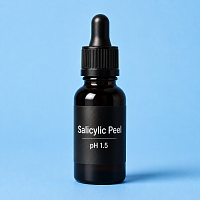
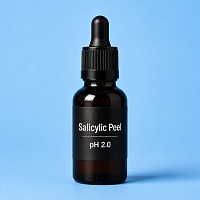
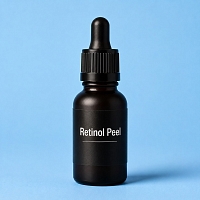
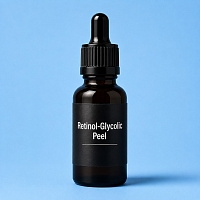
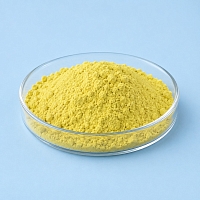
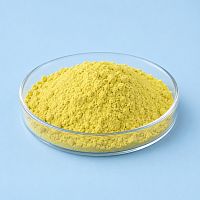


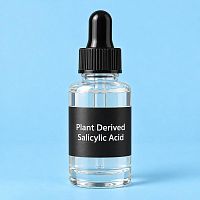
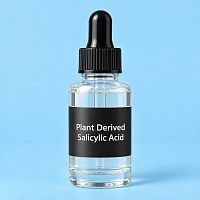




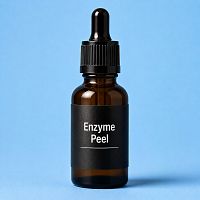

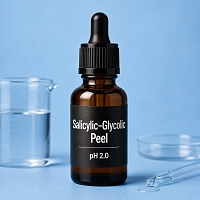
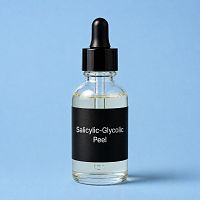


Exfoliating raw materials for creams scrubs and serums
This section brings together exfoliating raw materials used to formulate cosmetic peelings, from mechanical particles like jojoba beads and fruit seed powders to chemical exfoliants such as fruit acids and enzyme-based ingredients. Each material offers a distinct texture, particle size, and mode of action for removing dead skin cells.
These ingredients go into facial and body scrubs, exfoliating masks, gel peels, and rinse-off treatments used in both small-batch and industrial cosmetic manufacturing. Formulators combine mechanical exfoliants with active complexes to balance intensity, or pair them with preservatives and antioxidants to stabilize water-based peeling formulas over their shelf life.
Particle hardness and solubility vary widely between suppliers, so matching the right exfoliant to skin type and product format is a key formulation decision rather than a one-size-fits-all choice.
Mechanical, chemical, and enzymatic types compared
Mechanical exfoliants such as jojoba beads or fruit seed powders work by physical abrasion, and their particle shape and hardness determine how gentle or intensive a scrub feels on skin. Chemical exfoliants dissolve the bonds between dead skin cells instead of scrubbing them away, which is why products like Glycolic Acid 70% 100 g and Salicylic Peel pH 2.0, 1 L are formulated at controlled pH levels rather than sold as raw abrasive particles.
Enzymatic exfoliants are a third category, using proteolytic enzymes to break down keratin proteins on the skin surface. Bromelain 1 kg is a common example, valued for a milder action profile compared to strong acids, which makes it a flexible option across sensitive-skin formulas and everyday exfoliating masks.
Choosing an exfoliant and building a formula around it
Selecting the right raw material depends on the target texture, the desired depth of exfoliation, and the pH stability of the final formula. Pyruvic Acid 100 g and Phytic Acid Peel 50% 1 L each have distinct acid strength and skin-penetration characteristics, so formulators typically test concentration and contact time before scaling a batch to production volume.
Blended options such as AHA Fruit Complex 1 L combine several fruit acids into one ingredient, simplifying formulation for brands that want a balanced exfoliating effect without sourcing multiple single acids separately. Exfoliants are frequently paired with emulsifiers to build stable cream and lotion bases; the Emulsifiers Wholesale section covers the binding agents used alongside acids and enzymes in these formats, and retinol-based options like Retinol Peel 1 L are often layered into anti-aging lines that also rely on chemical exfoliation for texture refinement.
Origin, storage, and formulation notes
Raw materials in this category come from a mix of origins, including France, Germany, Spain, the United States, China, Ukraine, India, and Italy, reflecting the range of manufacturing standards available to formulators sourcing at different price points.
Acid-based and enzymatic exfoliants are sensitive to temperature, light, and moisture, so cool, dry storage away from direct sunlight helps preserve potency between production runs. Because concentration and pH directly affect how an exfoliant performs in a finished product, keeping raw materials properly sealed and correctly labeled by batch is a practical safeguard for consistent results across manufacturing cycles.
FAQ
What is the difference between mechanical and chemical exfoliants in cosmetic formulas?
Mechanical exfoliants are solid particles that remove dead skin cells through physical friction, while chemical exfoliants like fruit acids dissolve the bonds between cells without abrasion. Enzymatic ingredients work similarly to acids but target proteins specifically, offering a gentler alternative for sensitive formulations.
Which exfoliating particles work best for facial scrub formulations?
Softer, rounder particles such as jojoba beads suit facial scrubs since they minimize micro-tearing on thinner skin. Coarser fruit seed powders are typically reserved for body scrubs where more intensive abrasion is tolerated. Particle size and edge shape should guide the selection for each product type.
How should exfoliating raw materials be stored before use in production?
Most mechanical exfoliants are stable at room temperature in sealed, dry packaging away from direct sunlight. Acid-based and enzymatic ingredients are more sensitive to heat and moisture and should be stored according to the specific material's stability profile to preserve activity before formulation.
Can mechanical and chemical exfoliants be combined in one formulation?
Yes, combining a mild mechanical particle with a chemical exfoliant is common practice to balance physical and biochemical action while moderating overall intensity. Formulators typically test combined concentrations carefully, since layering multiple exfoliation mechanisms increases the risk of over-exfoliating the skin barrier.
Recommendations
Choosing the right exfoliant starts with the finished product format: opt for rounder, softer particles for facial applications and coarser textures for body scrubs, while chemical or enzymatic options suit lighter gel-based peels. Compare particle hardness, solubility, and concentration guidelines across suppliers before committing to a batch, and request a small sample when testing a new material in your formulation. Our team is available by email to help match a specific exfoliant to your production scale and target texture.



